

Back, Neck, Shoulder, and Joint Pain: 12 Hidden Causes and Effective Relief Options
Back, neck, shoulder, and joint pain are among the most common health complaints affecting people of all ages. Whether you spend long hours sitting at a desk, perform physically demanding work, or simply experience age-related changes, pain in these areas can significantly affect your daily life. While occasional discomfort may not be a cause for concern, persistent or severe pain can interfere with work, sleep, and overall well-being.
Understanding the underlying causes of back, neck, shoulder, and joint pain is the first step toward finding effective relief. In many cases, these symptoms are related to lifestyle habits, muscle strain, or poor posture. However, they can also signal more serious health conditions that require medical attention.
Understanding Back, Neck, Shoulder, and Joint Pain
The back, neck, shoulders, and joints work together to support movement and maintain proper body function. These structures include bones, muscles, ligaments, tendons, cartilage, and nerves. When any of these tissues become irritated, injured, or inflamed, pain and stiffness can develop.
Some people experience pain in only one area, while others may notice discomfort affecting multiple parts of the body simultaneously. The pain may be mild and occasional or severe and chronic.
Poor Posture

Poor posture is one of the leading causes of pain in the back, neck, shoulders, and joints. Modern lifestyles often involve prolonged sitting, computer work, and excessive smartphone use. Slouching, hunching forward, or maintaining awkward positions for extended periods places excessive stress on muscles and joints.
Over time, poor posture can lead to muscle imbalances, spinal misalignment, and chronic pain. Individuals who spend many hours at a desk without proper ergonomic support are particularly vulnerable.
Muscle Strain and Overuse
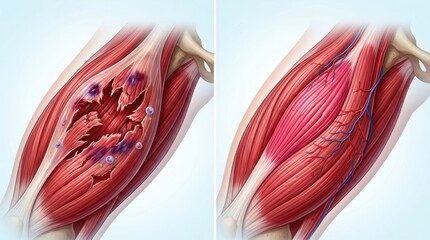
Muscle strain frequently contributes to pain in multiple areas of the body. Repetitive movements, heavy lifting, intense exercise, or sudden awkward motions can overstress muscles and surrounding tissues.
Athletes, manual laborers, and individuals who engage in physically demanding activities often develop muscle strains. Symptoms usually include soreness, tenderness, stiffness, and pain that worsens with movement.
Osteoarthritis

Osteoarthritis is one of the most common joint disorders worldwide. This degenerative condition occurs when the protective cartilage within joints gradually wears down over time.
As cartilage deteriorates, bones begin to rub against each other, causing pain, swelling, stiffness, and reduced mobility. Osteoarthritis commonly affects the knees, hips, shoulders, spine, and hands, especially in older adults.
Rheumatoid Arthritis

Rheumatoid arthritis is an autoimmune disease in which the immune system mistakenly attacks healthy joint tissues. This condition can affect multiple joints throughout the body and often causes pain in the shoulders, neck, and other areas.
Unlike osteoarthritis, rheumatoid arthritis may also produce symptoms such as fatigue, morning stiffness, and joint swelling. Early diagnosis and treatment are important to prevent long-term joint damage.
Herniated Discs

The spine contains soft discs that act as cushions between the vertebrae. A herniated disc occurs when the inner material of a disc pushes through its outer layer.
Herniated discs can compress nearby nerves, leading to pain in the back, neck, shoulders, or arms. Depending on the location of the affected disc, symptoms may include numbness, tingling, or muscle weakness.
Stress and Emotional Tension

Emotional stress often manifests physically. Many individuals unconsciously tighten their muscles when they feel stressed, anxious, or overwhelmed.
Persistent stress can result in chronic muscle tension, particularly in the neck, shoulders, and upper back. Over time, this tension may contribute to headaches, stiffness, and widespread discomfort.
Fibromyalgia
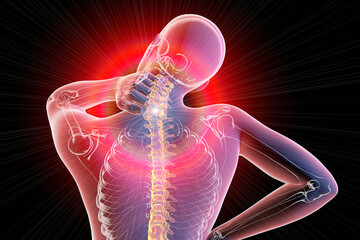
Fibromyalgia is a chronic disorder characterized by widespread musculoskeletal pain. Individuals with fibromyalgia frequently experience pain in the back, neck, shoulders, and joints simultaneously.
Additional symptoms may include fatigue, sleep disturbances, headaches, and difficulty concentrating. Although the exact cause remains unclear, proper treatment can help improve quality of life.
Injuries and Trauma
Accidents, falls, sports injuries, and motor vehicle collisions can damage muscles, ligaments, tendons, and joints. Whiplash injuries, for example, commonly affect the neck and shoulders following a car accident.
Even minor injuries can lead to significant discomfort if left untreated. Proper evaluation is essential when pain develops after trauma.
Bursitis and Tendinitis
Bursitis occurs when fluid-filled sacs known as bursae become inflamed, while tendinitis involves inflammation of tendons. Both conditions commonly affect the shoulders, elbows, hips, and knees.
These conditions often develop due to repetitive motions, overuse, or aging. Pain, swelling, and limited movement are common symptoms.
Lack of Physical Activity

A sedentary lifestyle can contribute to musculoskeletal pain. Prolonged inactivity weakens muscles, reduces flexibility, and decreases joint mobility.
Weak muscles provide less support for the spine and joints, increasing the likelihood of pain and injury. Regular physical activity helps maintain strength, flexibility, and overall musculoskeletal health.
Obesity
Excess body weight places additional stress on joints and the spine. Over time, this increased pressure may accelerate joint degeneration and contribute to chronic pain.
Obesity is particularly associated with knee, hip, and lower back pain. Maintaining a healthy weight can significantly reduce stress on the musculoskeletal system.
Aging
Natural aging processes can lead to gradual wear and tear within the joints and spine. Age-related changes such as disc degeneration, reduced muscle mass, and decreased flexibility may contribute to pain.
Although aging cannot be prevented, healthy lifestyle habits can help minimize discomfort and maintain mobility.
Symptoms Associated With Back, Neck, Shoulder, and Joint Pain
Symptoms vary depending on the underlying cause. Some individuals experience a dull, persistent ache, while others report sharp or burning pain. Stiffness, swelling, muscle spasms, limited range of motion, and weakness are also common.
Certain conditions may cause pain that radiates into the arms or legs. Numbness and tingling may indicate nerve involvement.
Diagnosis

Healthcare providers diagnose musculoskeletal pain through a detailed medical history and physical examination. Depending on symptoms, additional tests may include X-rays, MRI scans, CT scans, blood tests, or nerve studies.
Accurate diagnosis is essential for developing an effective treatment plan.
Treatment Options

Treatment depends on the underlying cause and severity of symptoms. Mild cases often improve with rest, heat or cold therapy, and temporary activity modification.
Physical therapy is commonly recommended to improve flexibility, strengthen muscles, and restore normal movement patterns. Therapeutic exercises can reduce pain and prevent recurrence.
Medications such as anti-inflammatory drugs or pain relievers may provide temporary symptom relief. In some cases, healthcare providers may recommend injections or surgical intervention if conservative treatments fail.
Lifestyle modifications also play an important role. Maintaining proper posture, staying physically active, managing stress, and achieving a healthy body weight can significantly improve symptoms.
Prevention
Preventing back, neck, shoulder, and joint pain involves adopting healthy daily habits. Good posture, regular exercise, proper lifting techniques, ergonomic workstations, and adequate sleep support musculoskeletal health.
Stretching regularly and taking breaks from prolonged sitting can further reduce the risk of developing chronic pain.
When to See a Doctor

Medical attention should be sought if pain is severe, persistent, or accompanied by symptoms such as numbness, weakness, unexplained weight loss, fever, or loss of bladder or bowel control.
Pain following an accident or injury should also be evaluated promptly.
Conclusion
Back, neck, shoulder, and joint pain can result from a wide range of causes, including poor posture, muscle strain, arthritis, stress, injuries, and underlying medical conditions. While many cases improve with conservative treatment and lifestyle changes, persistent symptoms should not be ignored.
Understanding the hidden causes of pain and seeking appropriate treatment can help restore mobility, improve comfort, and enhance overall quality of life. Consistently practicing healthy habits is one of the most effective ways to protect your musculoskeletal health and prevent future pain episodes.