

Why Does My Neck Hurt on One Side? 10 Common Causes Explained
Neck pain is a common problem that affects millions of people every year. While some individuals experience pain throughout the entire neck, others notice discomfort only on one side. One-sided neck pain can range from mild stiffness to severe pain that interferes with daily activities. In many cases, the pain improves within a few days, but persistent or worsening symptoms may require medical attention.
Understanding the possible causes of neck pain on one side can help you determine the best course of treatment and know when it is time to seek professional care.
Understanding One-Sided Neck Pain
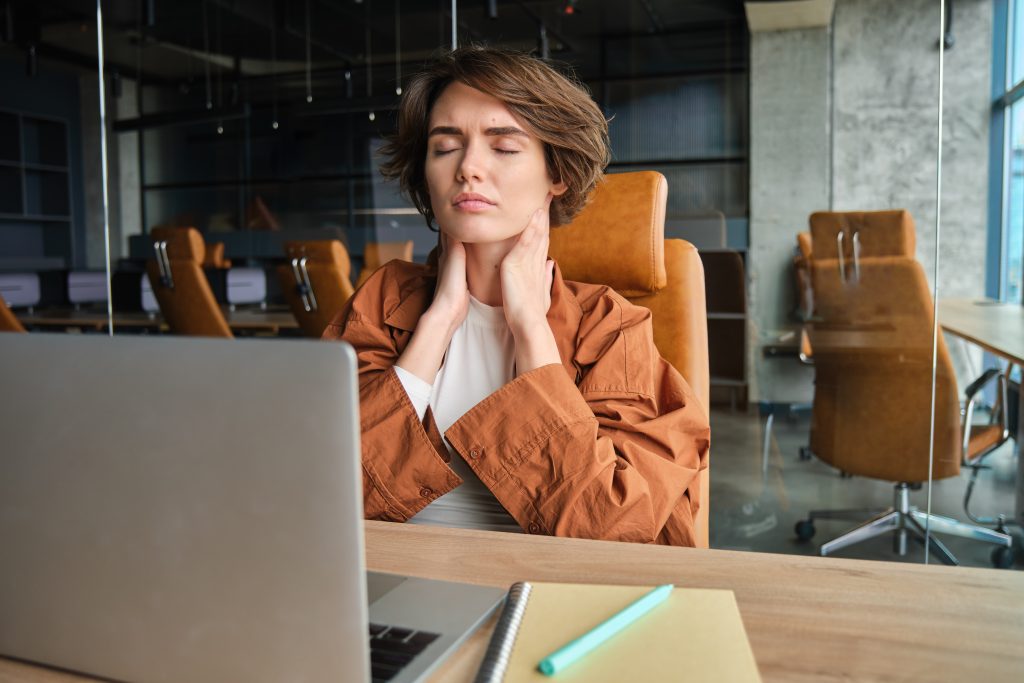
The neck, also known as the cervical spine, consists of seven vertebrae, muscles, ligaments, tendons, nerves, and intervertebral discs. These structures work together to support the head and allow movement in multiple directions.
Pain on one side of the neck may develop suddenly or gradually. It can feel sharp, dull, aching, burning, or throbbing. Some people also experience stiffness, headaches, or pain that radiates into the shoulder or arm.
Muscle Strain
Muscle strain is one of the most common causes of neck pain on one side. Overstretching or overusing the neck muscles can lead to inflammation and soreness.
Activities that may cause muscle strain include sleeping in an awkward position, looking down at a smartphone for extended periods, working at a computer for long hours, or carrying heavy bags on one shoulder.
Most mild muscle strains improve with rest, gentle stretching, and proper posture.
Sleeping in an Uncomfortable Position
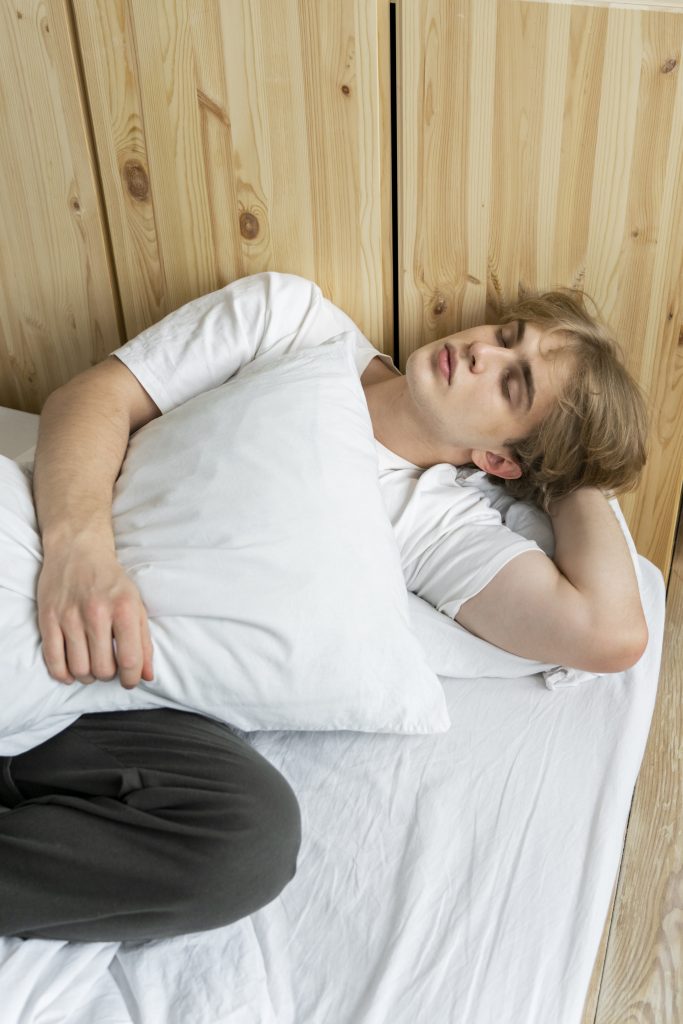
Many people wake up with pain on one side of the neck after sleeping in an awkward position. Sleeping with the head turned too far to one side or using an unsupportive pillow can strain neck muscles and joints.
This type of pain is often accompanied by stiffness and limited range of motion. Using a supportive pillow and maintaining proper sleep posture can help prevent recurring episodes.
Poor Posture
Poor posture places excessive stress on the muscles and joints of the neck. Modern habits such as prolonged computer use, frequent smartphone use, and slouching can contribute to one-sided neck pain.
Forward head posture, often referred to as “tech neck,” can create muscle imbalances that cause pain and stiffness on one side of the neck.
Improving posture and taking regular breaks during prolonged sitting may significantly reduce symptoms.
Stress and Muscle Tension

Emotional stress can lead to increased muscle tension, particularly in the neck and shoulders. Some individuals unconsciously tighten muscles on one side more than the other, resulting in localized pain.
Chronic stress may cause persistent muscle tightness, headaches, and reduced neck mobility. Relaxation techniques, stress management, and regular exercise may help alleviate tension-related pain.
Cervical Herniated Disc
A herniated disc occurs when the soft inner material of a spinal disc pushes through its outer layer. If the herniated disc compresses nearby nerves, pain may develop on one side of the neck.
In addition to neck pain, symptoms may include numbness, tingling, weakness, or pain radiating into the shoulder, arm, or hand.
Medical evaluation is recommended if neurological symptoms occur.
Pinched Nerve

A pinched nerve in the cervical spine can produce pain on one side of the neck. This condition develops when surrounding tissues such as bones, discs, or muscles place pressure on a nerve.
Symptoms may include sharp pain, burning sensations, numbness, tingling, or muscle weakness extending into the arm.
Treatment often involves physical therapy, posture correction, and pain management.
Cervical Arthritis
Cervical arthritis, also known as cervical spondylosis, refers to age-related wear and tear affecting the joints and discs of the neck.
As spinal structures gradually degenerate, inflammation and stiffness may develop. Pain may occur on one or both sides of the neck and often worsens with movement.
Older adults are more likely to experience cervical arthritis, although symptoms vary considerably between individuals.
Swollen Lymph Nodes
Swollen lymph nodes located along the sides of the neck may cause pain or tenderness on one side. Lymph nodes can enlarge in response to infections such as colds, flu, throat infections, or dental problems.
The affected area may feel tender, swollen, or painful when touched. Most swollen lymph nodes return to normal once the underlying infection resolves.
Persistent swelling should be evaluated by a healthcare provider.
Injury or Trauma

Sudden injuries, falls, sports accidents, or motor vehicle collisions can damage muscles, ligaments, and joints within the neck.
Whiplash injuries commonly cause pain on one side of the neck following a car accident. Symptoms may include stiffness, headaches, dizziness, and reduced range of motion.
Anyone experiencing neck pain after trauma should seek medical evaluation to rule out serious injuries.
Torticollis
Torticollis, sometimes called “wry neck,” occurs when neck muscles contract involuntarily, causing the head to twist or tilt to one side.
This condition may develop suddenly and can cause severe pain and restricted movement. Torticollis may result from muscle irritation, sleeping awkwardly, or underlying neurological conditions.
Although many cases resolve within several days, persistent symptoms may require medical treatment.
When to See a Doctor
Many cases of one-sided neck pain improve with conservative treatment. However, certain symptoms require prompt medical attention.
You should consult a healthcare provider if neck pain persists for more than a few weeks, becomes progressively worse, or interferes with daily activities.
Immediate medical care is necessary if neck pain occurs alongside severe headaches, fever, unexplained weight loss, numbness, weakness, difficulty walking, or loss of bladder or bowel control.
These symptoms may indicate a serious underlying condition.
Treatment Options
Treatment depends on the underlying cause of the pain. Mild cases often respond well to rest, heat or cold therapy, gentle stretching, and temporary activity modification.
Physical therapy may help improve flexibility, strengthen supporting muscles, and restore normal movement patterns. Healthcare providers may also recommend medications to reduce pain and inflammation.
Maintaining proper posture, improving workplace ergonomics, and managing stress can further support recovery and help prevent future episodes.
Preventing One-Sided Neck Pain
Preventing neck pain involves maintaining healthy daily habits. Proper posture, regular exercise, supportive sleep positions, and ergonomic workstations can significantly reduce stress on the cervical spine.
Taking frequent breaks during prolonged sitting and avoiding excessive smartphone use may also help protect neck health.

Conclusion
One-sided neck pain can result from various causes, including muscle strain, poor posture, sleeping awkwardly, stress, pinched nerves, and underlying medical conditions. While many cases improve with simple self-care measures, persistent or severe symptoms should not be ignored.
Understanding the potential causes of neck pain on one side can help you identify appropriate treatment options and seek medical attention when necessary. With proper care and healthy lifestyle habits, most people can effectively manage neck pain and maintain long-term spinal health.