
10 Best Exercises for a Pinched Nerve in the Neck to Relieve Pain Naturally
A pinched nerve in the neck can be painful, frustrating, and disruptive to everyday life. Whether you spend long hours working at a desk, frequently look down at your phone, or have experienced an injury, a pinched nerve can cause symptoms such as neck pain, stiffness, tingling, numbness, and even weakness that radiates into the shoulders, arms, or hands.
The good news is that many cases of a pinched nerve in the neck can improve with proper care, gentle movement, and targeted exercises. Performing the right exercises can help reduce pressure on the affected nerve, improve flexibility, strengthen supporting muscles, and promote recovery.
In this guide, we will explore the 10 best exercises for a pinched nerve in the neck to relieve pain naturally and restore mobility.
What Is a Pinched Nerve in the Neck?

A pinched nerve occurs when surrounding structures such as muscles, bones, discs, or ligaments place excessive pressure on a nerve. In the neck, this condition is often referred to as cervical radiculopathy.
- Poor posture
- Herniated cervical discs
- Age-related degenerative changes
- Repetitive movements
- Sports injuries
- Prolonged sitting or computer use
Symptoms may include:
- Sharp or burning neck pain
- Pain radiating into the shoulder or arm
- Tingling or numbness in the fingers
- Muscle weakness
- Reduced range of motion
- Headaches associated with neck tension
Before starting any exercise program, consult a healthcare professional if you experience severe pain, significant weakness, loss of coordination, or symptoms that continue to worsen.
1. Chin Tucks

Chin tucks are among the most effective exercises for improving posture and reducing strain on cervical nerves. This exercise strengthens deep neck flexor muscles and helps realign the cervical spine.
To perform a chin tuck, sit or stand with your back straight and shoulders relaxed. Gently pull your chin backward as though creating a double chin. Avoid tilting your head up or down. Hold the position for five seconds before relaxing.
Repeat this movement ten times.
Regular practice can help decrease forward head posture, which is a major contributor to nerve compression in the neck.
2. Neck Side Bends

Gentle side bending stretches the muscles surrounding the cervical spine and may relieve tension contributing to nerve irritation.
Begin by sitting comfortably with your shoulders relaxed. Slowly tilt your head toward your right shoulder without raising the shoulder. You should feel a gentle stretch on the opposite side of your neck.
Hold the stretch for 20 to 30 seconds before returning to the starting position. Repeat on the opposite side.
Perform the exercise two to three times on each side.
Move slowly and avoid forcing the stretch, especially if symptoms travel down the arm.
3. Neck Rotation Stretch
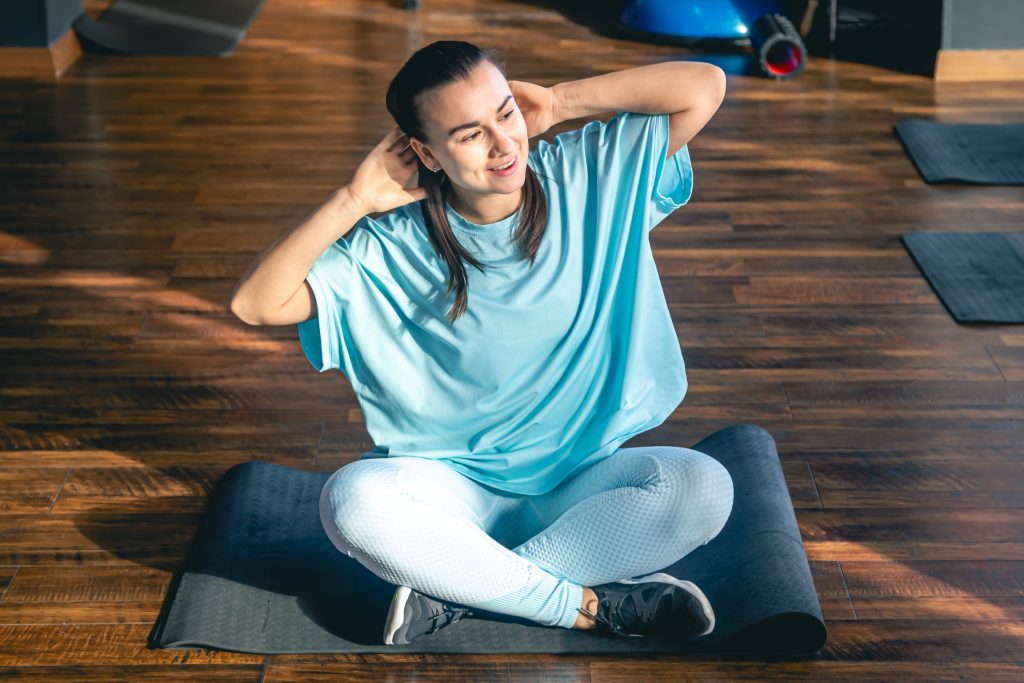
Restricted neck movement often accompanies a pinched nerve. Neck rotations help improve flexibility and maintain healthy joint mobility.
Sit upright and slowly turn your head to the right as far as comfortably possible. Hold for several seconds before returning to center. Repeat the movement to the left.
Continue alternating sides while maintaining smooth, controlled motion.
This exercise helps reduce stiffness and improve overall neck function.
4. Upper Trapezius Stretch
Tight upper trapezius muscles frequently contribute to neck pain and nerve compression.
To stretch this muscle, sit comfortably and place one hand underneath your thigh. Using your opposite hand, gently pull your head toward the opposite shoulder until you feel a stretch along the side of your neck.
Maintain the stretch for 20 to 30 seconds and repeat on both sides.
This stretch may reduce muscle tension and improve comfort throughout the day.
5. Levator Scapulae Stretch

The levator scapulae muscle connects the neck to the shoulder blade and often becomes tight due to prolonged sitting and poor posture.
Sit upright and rotate your head approximately 45 degrees away from the affected side. Gently look downward toward your armpit. Place your hand on the back of your head and apply light pressure to deepen the stretch.
Hold for 20 to 30 seconds before switching sides.
Many people find this exercise particularly helpful if they experience pain near the base of the neck or shoulder blade.
6. Shoulder Blade Squeezes
Strong upper back muscles support proper posture and reduce stress on the cervical spine.
Sit or stand tall with your arms resting at your sides. Slowly squeeze your shoulder blades together as though trying to hold a pencil between them. Avoid shrugging your shoulders.
Hold for five seconds and relax.
Repeat ten to fifteen times.
Practicing shoulder blade squeezes regularly can improve posture and reduce recurring neck problems.
7. Doorway Chest Stretch
Tight chest muscles can pull the shoulders forward, increasing pressure on neck structures.
Stand in a doorway and place your forearms against the door frame with elbows bent at approximately 90 degrees. Step one foot forward slowly until you feel a stretch across the front of your chest and shoulders.
Hold for 20 to 30 seconds.
Stretching the chest muscles encourages better posture and helps reduce excessive strain on the neck.
8. Cervical Retraction with Extension
This exercise combines posture correction with gentle neck movement.
Start by performing a chin tuck. While maintaining this position, slowly look upward toward the ceiling within a comfortable range. Return to the starting position and relax.
Repeat the movement ten times.
If looking upward increases symptoms significantly, stop the exercise and seek guidance from a healthcare professional.
9. Median Nerve Glide
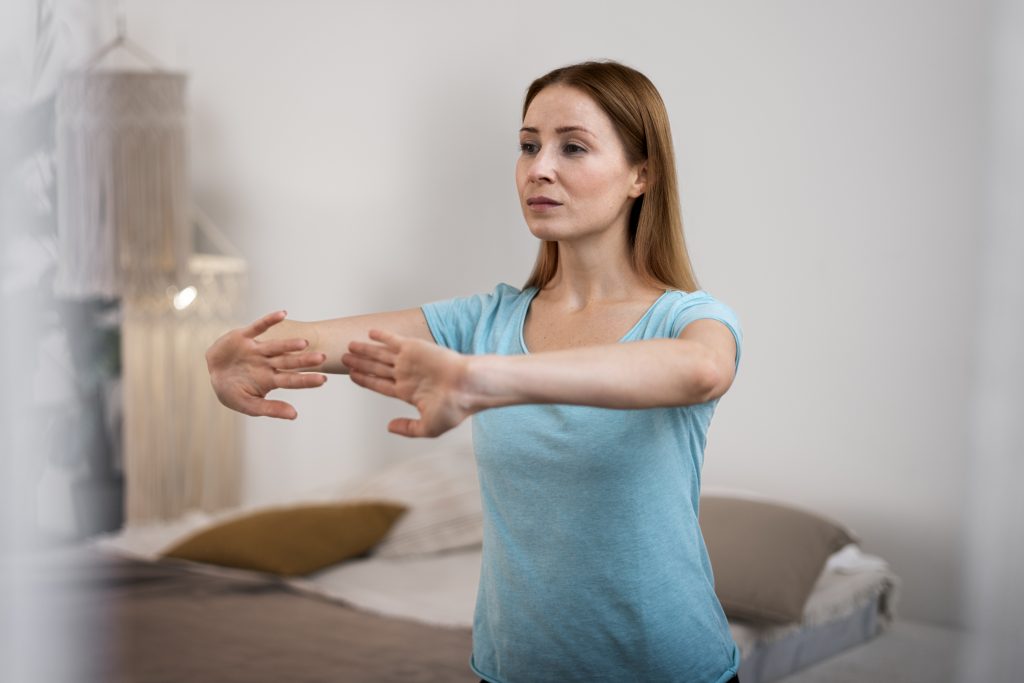
Nerve gliding exercises help improve nerve mobility and reduce irritation.
Stand with your arm extended to the side and elbow straight. Slowly extend your wrist and fingers while tilting your head away from the extended arm. Return to the starting position.
Perform the movement slowly and gently.
Nerve glides should never produce sharp pain. Mild stretching sensations are normal, but worsening symptoms indicate that the exercise should be discontinued.
10. Cat-Cow Stretch
Although primarily considered a spinal mobility exercise, the cat-cow stretch can also reduce tension throughout the neck and upper back.
Begin on your hands and knees. Slowly arch your back while lifting your head and chest toward the ceiling. Then gently round your spine and lower your head toward the floor.
Move smoothly between positions while coordinating with your breathing.
Repeat for one to two minutes.
This exercise promotes spinal mobility and helps reduce stiffness affecting the neck region.
Additional Tips for Recovery

Exercise alone may not fully resolve a pinched nerve. Combining movement with healthy lifestyle habits often produces the best results.
Maintain proper posture while sitting and standing. Keep computer screens at eye level and avoid prolonged periods of looking down at mobile devices.
Take frequent breaks if your work requires extended sitting. Gentle stretching every 30 to 60 minutes can prevent muscle tightness from building up.
Use a supportive pillow that keeps your neck in a neutral position during sleep. Sleeping on your back or side is generally recommended.
Applying ice during the first 48 hours may help reduce inflammation, while heat therapy can relax tight muscles during later stages of recovery.
Staying physically active and engaging in regular low-impact exercise can also support long-term spinal health.
When to Seek Medical Attention
While many cases improve with conservative treatment, certain symptoms require immediate medical evaluation.
Seek medical attention if you experience:
- Severe or worsening pain
- Significant arm weakness
- Loss of balance or coordination
- Difficulty with fine motor tasks
- Loss of bladder or bowel control
- Persistent numbness that does not improve
These symptoms may indicate a more serious condition requiring professional assessment.
Conclusion
A pinched nerve in the neck can significantly affect daily activities, but gentle exercises often play a vital role in recovery. Chin tucks, stretches, posture exercises, nerve glides, and mobility exercises can help reduce pain, improve flexibility, and restore normal function.
Consistency is essential. Perform these exercises regularly, listen to your body, and avoid movements that increase symptoms. If pain persists or worsens, consult a qualified healthcare professional or physical therapist for a personalized treatment plan.
With patience, proper posture, and the right exercises, many individuals can find lasting relief and return to their normal activities comfortably.