
Painful Pimple Inside the Nose: Causes, Symptoms & Best Treatment
A painful pimple inside the nose can be uncomfortable, irritating, and sometimes alarming. Because the inside of the nose is highly sensitive and rich in blood vessels, even a small bump can cause significant pain and tenderness. While most nasal pimples are harmless and resolve on their own, some may indicate an infection that requires medical attention.
Understanding the causes, symptoms, and treatment options for a pimple inside the nose can help you manage the condition effectively and prevent complications.
What Is a Pimple Inside the Nose?
A pimple inside the nose is a small, inflamed bump that develops within the nasal passages. These bumps may resemble acne pimples found on other parts of the body and can appear red, swollen, and painful. In some cases, they may contain pus or become crusty.
The skin lining the nostrils contains hair follicles and oil glands. When these follicles become irritated, blocked, or infected, a pimple can develop.
Causes of a Painful Pimple Inside the Nose
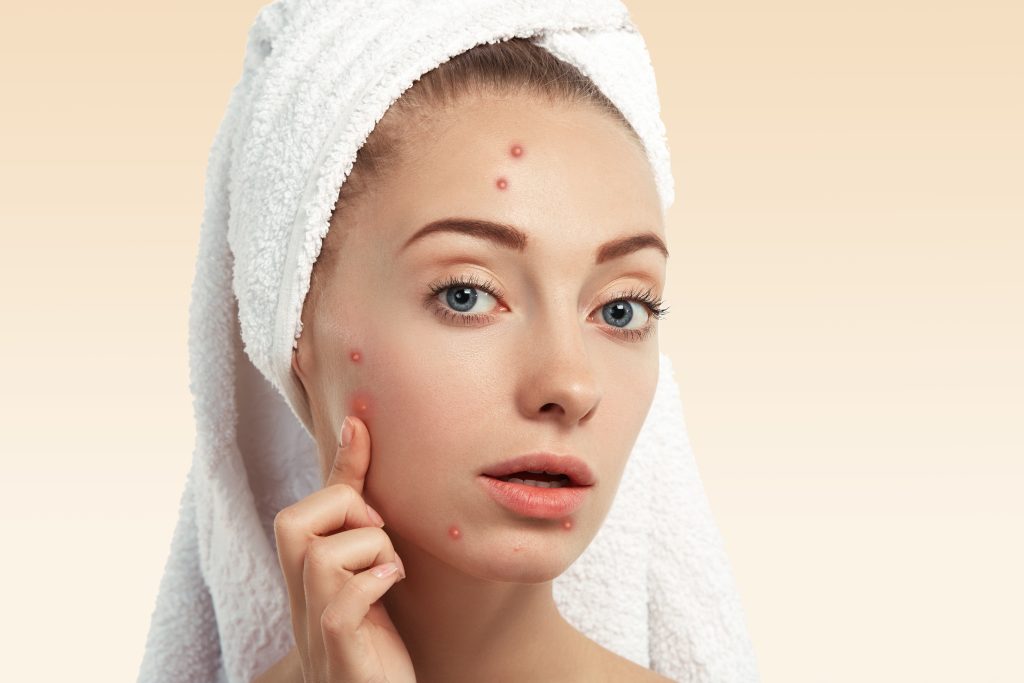
Several factors can contribute to the development of a pimple inside the nose.
Nasal Vestibulitis
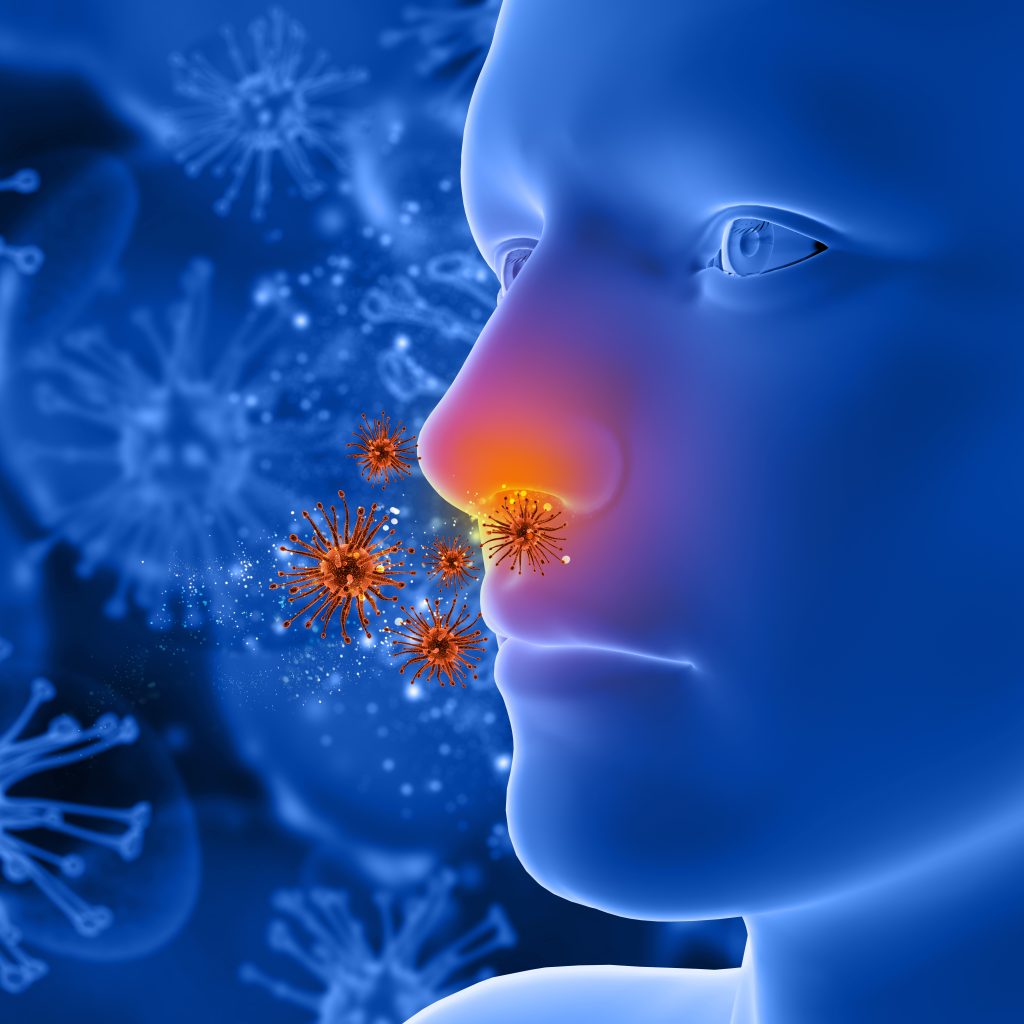
One of the most common causes is nasal vestibulitis, an infection of the nasal vestibule, which is the area just inside the nostrils. This condition usually occurs when bacteria, particularly Staphylococcus aureus, infect damaged hair follicles.
Frequent nose picking, excessive nose blowing, or plucking nasal hairs can increase the risk of infection.
Ingrown Nasal Hair
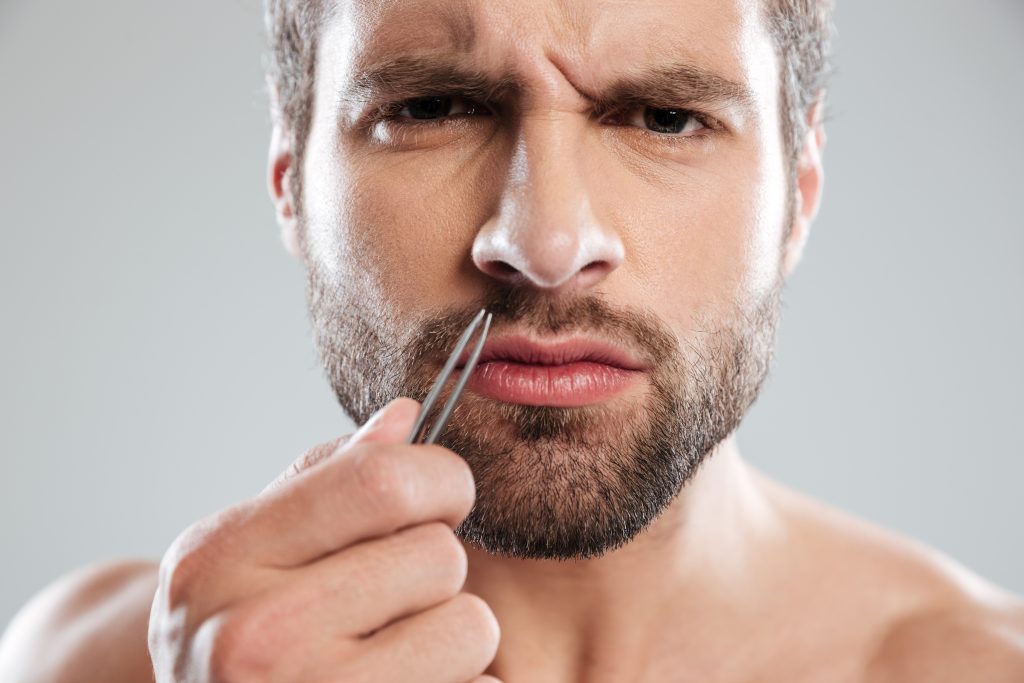
Removing nose hair by plucking or waxing may cause hairs to grow back into the skin. This can lead to irritation, inflammation, and the formation of a painful bump.
Blocked Hair Follicles
Just like the skin on the face, the inside of the nose contains pores and oil glands. When these become blocked by excess oil, dead skin cells, or debris, pimples may develop.
Trauma or Irritation

Repeated irritation caused by allergies, frequent tissue use, or dry air can damage the delicate nasal lining and create conditions that promote infection.
Bacterial Infections
Bacteria naturally live inside the nose. However, when the skin barrier is damaged, bacteria can enter deeper tissues and cause an infection, resulting in swelling and pain.
Underlying Medical Conditions
Individuals with weakened immune systems, diabetes, or chronic skin conditions may be more susceptible to recurrent nasal infections.
Symptoms of a Pimple Inside the Nose
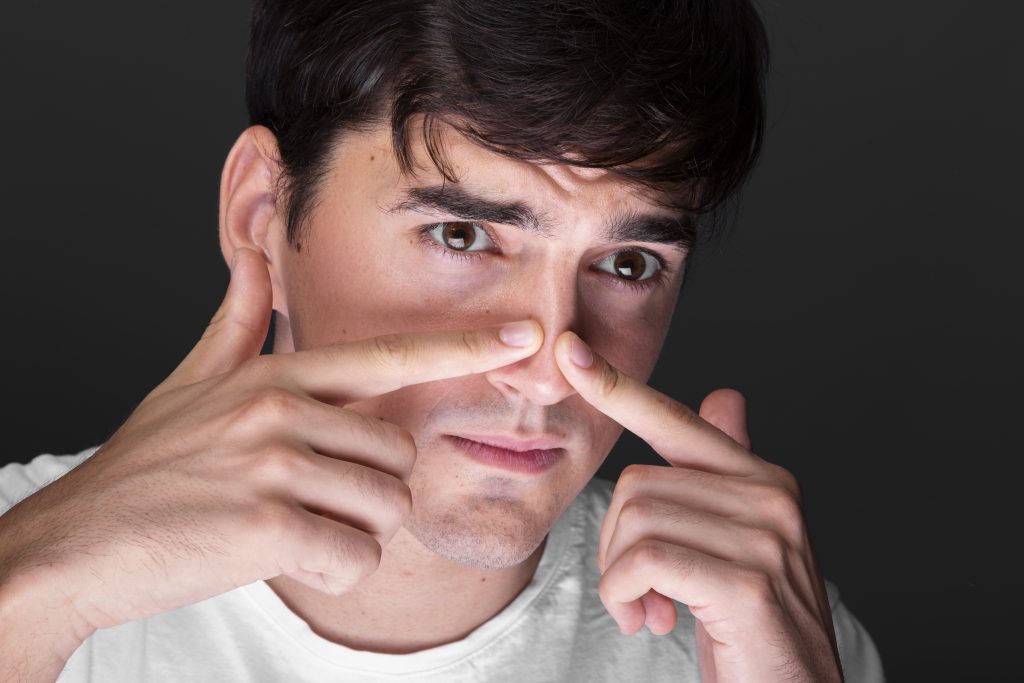
Symptoms can vary depending on the severity of the inflammation or infection.
Common symptoms include:
A small, tender bump inside the nostril is often the first sign. The affected area may become red and swollen, making it uncomfortable to touch or move the nose.
Many people experience pain that worsens when touching the nose, blowing the nose, or making facial expressions.
Some pimples may contain pus, forming a white or yellow center. In more severe cases, crusting or minor bleeding can occur.
If the infection spreads, swelling may extend to the surrounding skin, and symptoms such as fever or facial pain may develop.
Is a Pimple Inside the Nose Dangerous?
Most pimples inside the nose are minor and heal without complications. However, because the nose lies within an area sometimes referred to as the “danger triangle” of the face, infections should not be ignored.
The blood vessels in this region connect to deeper structures within the skull. Although rare, severe untreated infections can potentially spread and lead to serious complications.
You should seek medical attention if symptoms rapidly worsen or if significant swelling, fever, or spreading redness develops.
How to Treat a Painful Pimple Inside the Nose
Treatment depends on the underlying cause and severity of the condition.
Apply Warm Compresses
Applying a warm compress to the outside of the nose several times daily can help reduce discomfort and encourage drainage. Use a clean washcloth soaked in warm water and apply it gently for ten to fifteen minutes.
Keep the Area Clean

Maintaining good nasal hygiene is important. Gently clean the nostril area without excessive rubbing or irritation.
Avoid inserting fingers, cotton swabs, or other objects into the nose, as this may worsen inflammation.
Avoid Picking or Squeezing the Pimple
It may be tempting to squeeze a painful pimple, but doing so can spread bacteria and increase the risk of complications. Pimples inside the nose should never be forcibly popped.
Over-the-Counter Pain Relief
Non-prescription pain relievers such as acetaminophen or ibuprofen may help reduce pain and inflammation. Always follow dosage instructions and consult a healthcare professional if you have underlying medical conditions or take other medications.
Topical Antibiotic Ointments
For mild bacterial infections, healthcare providers may recommend antibiotic ointments specifically designed for nasal use. These medications should only be used under medical supervision.
Prescription Medications
More severe infections may require oral antibiotics prescribed by a doctor. If an abscess forms, medical drainage may occasionally be necessary.
Home Remedies for Relief
Several simple home measures may ease discomfort while the area heals.
Keeping indoor air moist with a humidifier can prevent excessive dryness and irritation. Staying hydrated may also help maintain healthy nasal tissues.
Using saline nasal sprays can soothe irritated nasal passages and support healing. Saline products are generally safe when used as directed.
Adequate rest and proper nutrition support the body’s natural immune response and may promote faster recovery.
How to Prevent Pimples Inside the Nose
Prevention focuses on reducing irritation and minimizing the risk of infection.
Avoid picking your nose or plucking nasal hairs. If trimming nose hair is necessary, use sanitized trimming tools instead of tweezers.
Wash your hands regularly to reduce bacterial transfer. Managing allergies and avoiding excessive nose blowing can also help protect the delicate lining of the nose.
Using saline sprays or a humidifier during dry weather may reduce irritation and maintain moisture inside the nasal passages.
When to See a Doctor
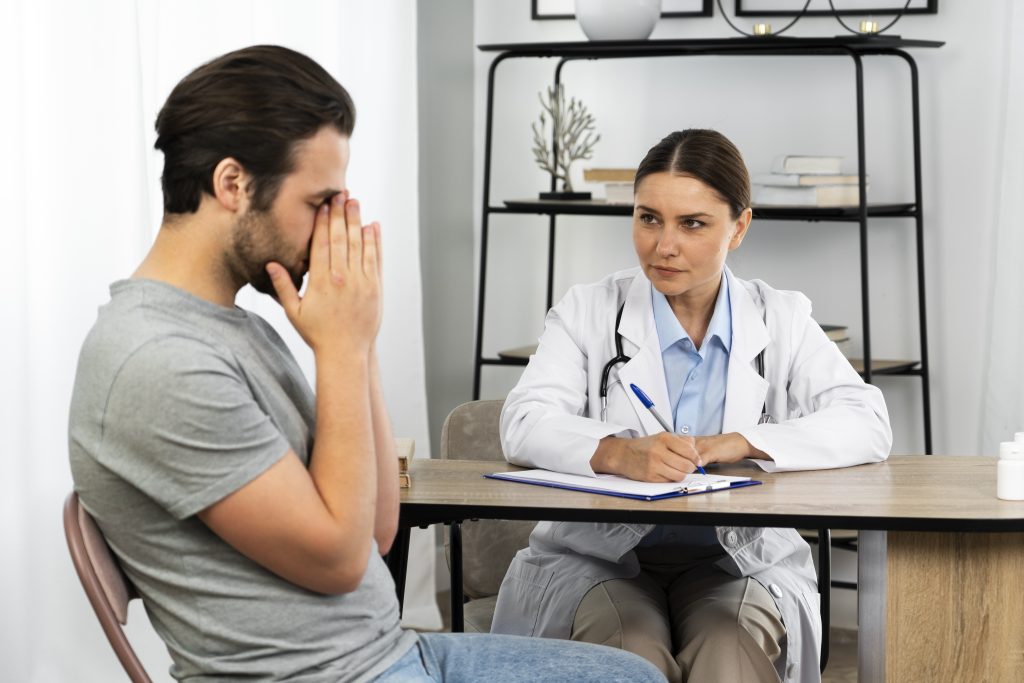
Medical evaluation is recommended if the pimple does not improve within several days, becomes increasingly painful, or repeatedly returns.
You should also seek prompt medical attention if you experience significant facial swelling, spreading redness, fever, severe headache, vision changes, or difficulty breathing.
Persistent or recurrent nasal pimples may indicate an underlying condition that requires professional assessment.
Conclusion
A painful pimple inside the nose is usually caused by irritation, blocked hair follicles, or mild bacterial infections. Although most cases improve with proper home care, it is important to avoid squeezing or picking at the affected area.
Maintaining good nasal hygiene, using warm compresses, and minimizing irritation can promote healing and reduce discomfort. If symptoms worsen, persist, or are accompanied by fever or spreading swelling, consult a healthcare professional for appropriate treatment.
With timely care and preventive measures, most nasal pimples heal completely without causing long-term problems.