

Why Does My Foot Hurt When I Walk? Causes, Symptoms, Treatment, and Prevention
Foot pain while walking is a common problem that affects people of all ages. Some people experience mild discomfort after spending hours on their feet, while others feel sharp pain with every step they take. Although occasional soreness may not always be a cause for concern, persistent or severe foot pain should never be ignored. Your feet support your entire body weight, absorb shock, and help you maintain balance during every movement. When something goes wrong, even a simple walk can become uncomfortable and interfere with your daily routine.
Understanding why your foot hurts when you walk is the first step toward finding the right treatment. Many different conditions can cause foot pain, ranging from minor muscle strain to more serious medical problems. Identifying the exact cause often depends on the location of the pain, the severity of your symptoms, and whether the pain developed suddenly or gradually.
Understanding Foot Pain
The human foot is an incredibly complex structure made up of 26 bones, more than 30 joints, and over 100 muscles, tendons, and ligaments. Every step you take places pressure on these structures, making the feet vulnerable to injuries and overuse.
Pain can occur in different parts of the foot, including the heel, arch, ball of the foot, toes, or ankle. Each location may indicate a different underlying condition. Some people experience a dull ache, while others describe burning, stabbing, or throbbing pain. The type and location of pain often provide valuable clues about the cause.
Plantar Fasciitis

One of the most common reasons for foot pain while walking is plantar fasciitis. The plantar fascia is a thick band of tissue that connects the heel bone to the toes. It supports the arch of the foot and absorbs shock during movement.
When this tissue becomes inflamed, it causes sharp pain near the heel. The discomfort is usually worse during the first few steps in the morning or after sitting for a long time. Walking for extended periods may also increase the pain.
People who spend long hours standing, runners, individuals who are overweight, and those with flat feet or high arches have a higher risk of developing plantar fasciitis.
Heel Spurs
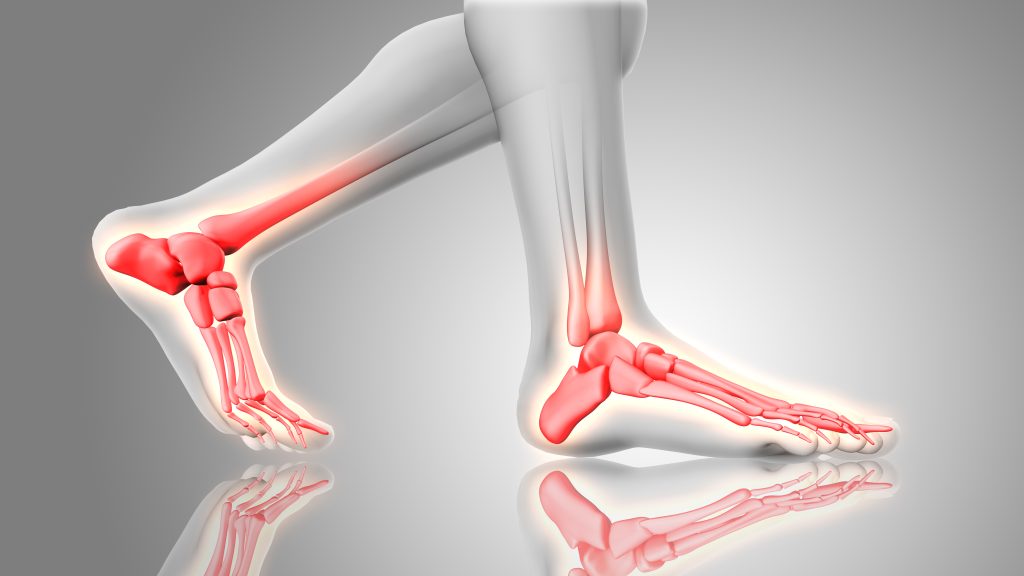
Heel spurs are calcium deposits that form on the underside of the heel bone. They often develop alongside plantar fasciitis due to repeated stress on the foot. While some heel spurs cause no symptoms, others can produce pain whenever pressure is placed on the heel during walking.
Treatment usually focuses on reducing inflammation rather than removing the spur itself.
Achilles Tendinitis

The Achilles tendon connects the calf muscles to the heel bone. Repetitive strain, sudden increases in physical activity, or tight calf muscles can irritate this tendon.
Pain is commonly felt at the back of the heel and may become worse during walking, climbing stairs, or running. The area may also feel stiff in the morning.
Without proper treatment, Achilles tendinitis can progress to a tendon tear or rupture, making early intervention important.
Stress Fractures

Stress fractures are tiny cracks in the bones caused by repetitive impact rather than a single injury. They frequently occur in athletes, military personnel, and individuals who suddenly increase their exercise intensity.
Unlike a major fracture, stress fractures develop gradually. The pain often starts as mild discomfort but becomes more intense during walking or physical activity. Rest usually relieves the symptoms temporarily.
Ignoring a stress fracture can lead to a complete break, making early diagnosis essential.
Flat Feet

Flat feet occur when the arches collapse, allowing the entire sole of the foot to touch the ground. Some people are born with flat feet, while others develop the condition later in life due to aging, injury, or weakened tendons.
Flat feet can change the way weight is distributed across the foot, causing pain in the arch, heel, ankles, knees, and even the lower back. Walking long distances often makes the discomfort worse.
Supportive footwear and custom orthotics often provide significant relief.
High Arches

Just as flat feet can create problems, unusually high arches may also cause pain. High arches place excessive pressure on the heel and the ball of the foot, increasing the risk of stress fractures, ankle sprains, and plantar fasciitis.
People with high arches often benefit from shoes with extra cushioning and proper arch support.
Bunions

A bunion is a bony bump that forms at the base of the big toe. It develops gradually as the big toe shifts toward the second toe.
Walking can become painful because the bunion rubs against footwear, causing inflammation and swelling. Tight shoes often make the condition worse.
Although mild bunions can often be managed with wider shoes and padding, severe cases may require surgical correction.
Morton’s Neuroma

Morton’s neuroma occurs when tissue thickens around a nerve between the toes, most commonly between the third and fourth toes.
People often describe the pain as burning, tingling, or feeling as though they are standing on a small pebble. Walking or wearing tight shoes can increase the discomfort.
Treatment usually includes changing footwear, using shoe inserts, reducing pressure on the nerve, and in some cases receiving corticosteroid injections.
Arthritis

Several forms of arthritis can affect the foot. Osteoarthritis develops as cartilage wears away over time, while rheumatoid arthritis is an autoimmune disease that attacks the joints.
Arthritis can cause pain, swelling, stiffness, and difficulty walking. Morning stiffness is particularly common.
Managing arthritis often involves medication, physical therapy, weight management, and supportive footwear to reduce stress on affected joints.
Gout

Gout is a type of inflammatory arthritis caused by the buildup of uric acid crystals in the joints. It often affects the joint at the base of the big toe.
A gout attack usually begins suddenly and causes severe pain, redness, swelling, and warmth. Even walking a few steps may become extremely painful during an attack.
Treatment focuses on reducing inflammation and controlling uric acid levels to prevent future flare-ups.
Nerve Problems
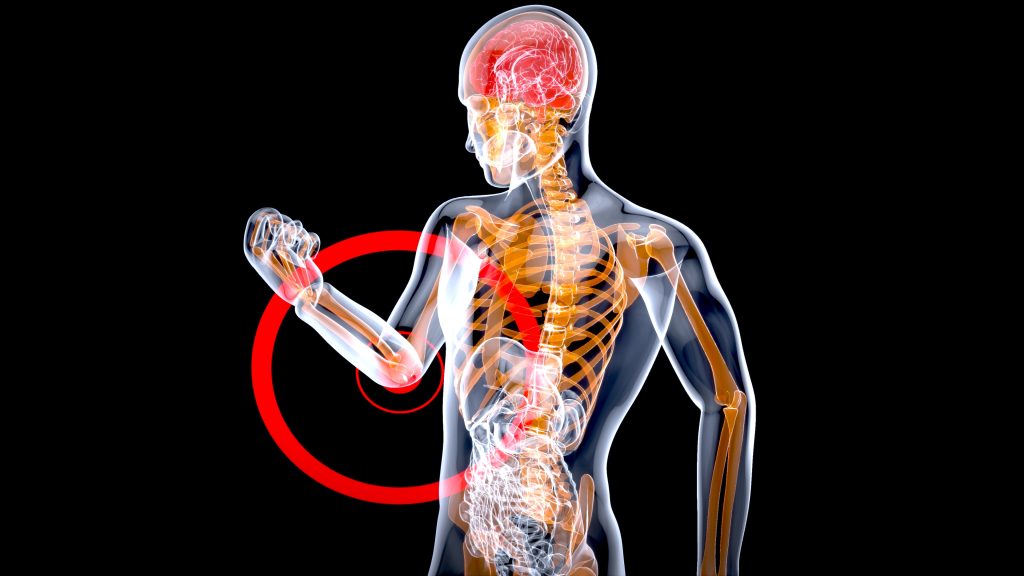
Nerve-related conditions are another common reason for foot pain while walking. Peripheral neuropathy is one of the most well-known causes and occurs when the nerves in the feet become damaged. Diabetes is the leading cause of peripheral neuropathy, but vitamin deficiencies, alcohol misuse, certain medications, infections, and other medical conditions can also contribute.
People with nerve pain often describe burning, tingling, numbness, or a pins-and-needles sensation. Some experience sharp, shooting pain that worsens while walking, while others may have reduced sensation, making it difficult to notice cuts or injuries. Because nerve damage can increase the risk of serious foot complications, especially in people with diabetes, early medical evaluation is important.
Metatarsalgia

Metatarsalgia refers to pain in the ball of the foot, which is the area just behind the toes. This condition develops when excessive pressure is placed on the metatarsal bones during walking or standing.
Athletes, people who wear high heels, individuals with foot deformities, and those who spend long hours on their feet are more likely to experience metatarsalgia. The pain may feel sharp, aching, or burning and often becomes worse during physical activity.
Treatment usually includes resting the foot, wearing cushioned shoes, using supportive insoles, and reducing activities that place excessive pressure on the forefoot.
Tendon and Ligament Injuries

The tendons and ligaments in the foot help stabilize the joints and support movement. Overstretching, repetitive stress, or sudden twisting injuries can cause inflammation or small tears in these structures.
Walking with a tendon or ligament injury may lead to pain, swelling, and tenderness. Depending on the severity of the injury, the pain may improve with rest or continue even during normal daily activities.
Early treatment often includes rest, ice application, compression, elevation, and gradual rehabilitation exercises under medical guidance.
Improper Footwear

One of the simplest yet most overlooked causes of foot pain is wearing unsuitable shoes. Shoes that are too tight, too loose, worn out, or lacking proper arch support can place unnecessary stress on the feet.
High heels shift body weight toward the front of the foot, while shoes with thin soles may provide inadequate cushioning. Even athletic shoes lose their shock-absorbing ability after prolonged use.
Choosing shoes that fit properly, provide adequate cushioning, and match your daily activities can significantly reduce foot discomfort and help prevent future problems.
Obesity and Excess Weight

Carrying extra body weight places additional stress on the feet with every step. Over time, this increased pressure can contribute to plantar fasciitis, arthritis, tendon problems, and general foot fatigue.
Losing even a modest amount of weight can reduce pressure on the feet and improve mobility. Combining a balanced diet with low-impact activities such as swimming or cycling may help reduce pain while improving overall health.
Diabetes and Foot Pain

People living with diabetes need to pay special attention to foot health. Elevated blood sugar levels can damage nerves and reduce blood circulation, making the feet more vulnerable to injury and infection.
Minor cuts or blisters may heal slowly and become infected if left untreated. Daily foot inspections, proper hygiene, supportive footwear, and regular medical checkups are essential for preventing complications.
Anyone with diabetes who develops persistent foot pain, numbness, swelling, or a wound that does not heal should seek medical attention promptly.
Home Remedies for Mild Foot Pain

Many cases of mild foot pain improve with simple home care. Resting the affected foot allows irritated tissues to recover and prevents further strain. Applying an ice pack for fifteen to twenty minutes several times a day may reduce pain and swelling, particularly after activity.
Gentle stretching exercises for the calf muscles, Achilles tendon, and plantar fascia can improve flexibility and reduce tension. Wearing supportive shoes with good cushioning and arch support often provides noticeable relief.
Maintaining a healthy body weight helps reduce stress on the feet, while avoiding prolonged standing or high-impact activities allows inflamed tissues to heal. Some people also find temporary relief with over-the-counter pain relievers when used according to medical advice.
Medical Treatments

If foot pain continues despite home care, a healthcare professional may recommend additional treatment. Physical therapy can improve strength, flexibility, and walking mechanics. Custom orthotic devices may help redistribute pressure and provide better support for the foot.
Depending on the underlying condition, treatment may also include anti-inflammatory medications, corticosteroid injections, braces, walking boots, or immobilization. In severe cases, such as advanced arthritis, significant bunions, or tendon ruptures, surgery may be considered after conservative treatments have failed.
How Doctors Diagnose Foot Pain
Diagnosing foot pain begins with a detailed discussion of your symptoms, medical history, and daily activities. Your healthcare provider will examine your foot for swelling, tenderness, deformities, range of motion, and walking pattern.
If necessary, imaging tests such as X-rays, ultrasound scans, MRI scans, or CT scans may be recommended to identify fractures, tendon injuries, arthritis, or soft tissue problems. Blood tests may also be ordered if inflammatory diseases, infections, or gout are suspected.
An accurate diagnosis is essential because different conditions require different treatments.
When to See a Doctor
While mild soreness often improves within a few days, persistent or severe foot pain should not be ignored. Medical attention is recommended if the pain lasts longer than several days, becomes progressively worse, prevents you from walking normally, or follows a significant injury.
You should also seek prompt medical care if you notice severe swelling, redness, warmth, fever, an open wound, numbness, loss of movement, or an obvious deformity. People with diabetes or poor circulation should never delay evaluation for new foot problems.
Preventing Foot Pain
Although not every cause of foot pain can be prevented, adopting healthy habits can lower your risk. Wearing properly fitted shoes with adequate support is one of the most effective preventive measures. Replacing worn-out footwear before it loses cushioning can also help protect the feet.
Stretching before exercise, increasing physical activity gradually, maintaining a healthy weight, and avoiding repetitive strain reduce the likelihood of overuse injuries. Paying attention to early signs of discomfort allows minor problems to be treated before they become more serious.
Regular foot care, including keeping the feet clean, trimming toenails properly, and checking for skin changes or injuries, is especially important for older adults and people with chronic health conditions.
Frequently Asked Questions
Many people wonder whether it is safe to continue walking when their foot hurts. The answer depends on the cause of the pain. Mild muscle soreness may improve with gentle movement, but walking on a stress fracture, severe tendon injury, or significant inflammation can make the condition worse. If walking increases your pain considerably, reducing activity until you receive medical advice is generally recommended.
Another common question is whether foot pain always means something serious. Fortunately, many cases are caused by temporary overuse, minor strains, or poorly fitting shoes and improve with rest and supportive care. However, persistent pain should always be evaluated to rule out more significant conditions.
People also ask whether stretching can help. For conditions such as plantar fasciitis and Achilles tendinitis, regular stretching often improves flexibility and reduces symptoms. However, stretching should be performed carefully and stopped if it increases pain.
Conclusion
Foot pain while walking can affect every aspect of daily life, from working and exercising to completing routine household tasks. Because the feet support the body’s weight with every step, even minor problems can become increasingly uncomfortable if left untreated.
The causes of foot pain range from temporary overuse and improper footwear to conditions such as plantar fasciitis, arthritis, stress fractures, nerve disorders, and diabetes-related complications. Identifying the source of the pain is essential for choosing the most effective treatment.
While many cases respond well to rest, supportive footwear, stretching, and lifestyle changes, persistent or severe symptoms should be assessed by a healthcare professional. Early diagnosis and appropriate treatment not only relieve pain but also help prevent long-term damage, allowing you to stay active and maintain a healthy, comfortable lifestyle.