

Why Is the Heel of My Foot Sore? Causes, Symptoms, Treatment & Prevention
Heel pain is one of the most common foot problems affecting people of all ages. Whether it develops suddenly after an injury or gradually over time, a sore heel can make simple daily activities like walking, standing, exercising, or climbing stairs uncomfortable. Many people wake up with sharp heel pain in the morning, while others notice soreness after spending long hours on their feet. Understanding the cause of heel pain is the first step toward finding the right treatment and preventing the condition from getting worse.
If you’ve been asking yourself, “Why is the heel of my foot sore?” you’re not alone. Heel soreness can result from overuse, inflammation, injury, poor footwear, underlying medical conditions, or age-related changes in the foot. Most cases improve with conservative treatment, but persistent or severe heel pain should be evaluated by a healthcare professional.
The heel is the largest bone in the foot, known as the calcaneus. It supports your body weight every time you stand, walk, run, or jump. Surrounding the heel are tendons, ligaments, muscles, nerves, fat pads, and connective tissues that absorb shock and provide stability. Since the heel experiences significant pressure throughout the day, even minor damage or inflammation can lead to noticeable pain.
One of the most common reasons for heel soreness is plantar fasciitis. The plantar fascia is a thick band of connective tissue running from the heel bone to the toes. Its main function is to support the arch of the foot and absorb impact during walking. Repeated stress can cause tiny tears in the plantar fascia, leading to inflammation and pain. Plantar fasciitis usually causes sharp pain underneath the heel, especially during the first few steps in the morning or after sitting for long periods. As the foot warms up, the discomfort often decreases, although it may return after prolonged standing or physical activity.
Another common cause of heel soreness is Achilles tendinitis. The Achilles tendon connects the calf muscles to the back of the heel bone. Overuse, sudden increases in physical activity, tight calf muscles, or improper footwear can cause inflammation in the tendon. People with Achilles tendinitis usually experience pain behind the heel rather than underneath it. The discomfort often becomes worse during running, climbing stairs, or pushing off the foot while walking.

Heel bursitis is another possible reason your heel feels sore. A bursa is a small fluid-filled sac that cushions bones and soft tissues. When the bursa behind or beneath the heel becomes irritated, inflammation develops, causing pain, swelling, tenderness, and difficulty walking. Heel bursitis often results from repetitive pressure, poorly fitting shoes, excessive walking, or sports activities.
Heel spurs are often blamed for heel pain, but they are not always the actual source of discomfort. A heel spur is a calcium deposit that forms on the underside of the heel bone over time. Many people have heel spurs without experiencing any symptoms. However, when a heel spur develops alongside plantar fasciitis, it may contribute to chronic heel pain and inflammation.
Overuse injuries are especially common among runners, athletes, teachers, retail workers, healthcare professionals, and anyone who spends long hours standing. Repeated impact places continuous stress on the structures of the heel, eventually leading to inflammation, soreness, and tissue damage. Without proper rest, the pain may gradually worsen.
Improper footwear is another major contributor to heel soreness. Shoes that lack cushioning, arch support, or shock absorption force the heel to absorb more impact than it should. Wearing worn-out athletic shoes, flip-flops, high heels, or unsupportive sandals for extended periods can increase strain on the plantar fascia and heel bone. Replacing old shoes and choosing supportive footwear often provides significant relief.
Age also plays a role in heel discomfort. As people grow older, the natural fat pad beneath the heel gradually becomes thinner. This fat pad normally acts as a cushion that protects the heel bone from repeated impact. When it wears down, the heel becomes less protected, making walking on hard surfaces more painful.
Sometimes heel soreness develops after a sudden injury. Landing awkwardly after a jump, twisting the foot, or suffering a direct blow to the heel can cause bruising, ligament injuries, tendon strains, or even fractures. Acute injuries often produce immediate pain, swelling, bruising, and difficulty bearing weight.
Stress fractures of the heel bone may develop after repetitive high-impact activities such as long-distance running, military training, or intense sports participation. Unlike a sudden fracture caused by trauma, stress fractures develop gradually as tiny cracks form in the bone due to repeated stress. Pain typically worsens with activity and improves with rest.
Another possible cause is Sever’s disease, which commonly affects active children and teenagers during periods of rapid growth. Although the name sounds alarming, it is not actually a disease but an overuse injury involving the growth plate in the heel. Young athletes participating in soccer, basketball, gymnastics, or running often develop heel pain during growth spurts.

Nerve problems can also lead to heel soreness. Tarsal tunnel syndrome occurs when the tibial nerve becomes compressed near the ankle. This compression may produce burning pain, tingling, numbness, or shooting discomfort that extends into the heel and sole of the foot. Nerve-related pain often feels different from inflammatory pain and may worsen after prolonged standing.
Certain inflammatory conditions, including rheumatoid arthritis, ankylosing spondylitis, psoriatic arthritis, and reactive arthritis, can involve the heel. These autoimmune disorders cause chronic inflammation that affects joints, tendons, and ligaments throughout the body. Heel pain associated with inflammatory arthritis often occurs in both feet and may be accompanied by joint stiffness, fatigue, or swelling elsewhere.
Medical conditions such as diabetes can indirectly contribute to heel pain by affecting nerves, circulation, and tissue healing. People with diabetic neuropathy may experience burning, numbness, or altered sensation in the heels. Because diabetes increases the risk of foot complications, persistent heel pain should never be ignored.
The location of your heel soreness often provides important clues about its cause. Pain underneath the heel commonly points toward plantar fasciitis or heel spurs. Pain behind the heel may suggest Achilles tendinitis or bursitis. Pain on the sides of the heel may indicate nerve irritation, ligament injury, or a stress fracture. Deep aching pain inside the heel bone sometimes suggests a bone injury or fracture.
Although heel soreness is usually not dangerous, it can significantly affect mobility and quality of life if left untreated. Early recognition of symptoms and appropriate treatment often lead to faster recovery and help prevent chronic pain.

The symptoms of heel soreness vary depending on the underlying cause, but most people experience pain that interferes with everyday activities. Some individuals notice a sharp stabbing pain with their first steps in the morning, while others develop a dull ache that gradually worsens throughout the day. The pain may become more noticeable after standing for long periods, walking on hard surfaces, running, or climbing stairs. In some cases, the heel may feel tender to the touch, swollen, warm, or stiff. People with Achilles tendon problems often experience discomfort at the back of the heel, especially when pushing off the foot or stretching the calf muscles. Those with plantar fasciitis usually describe pain beneath the heel that improves slightly after walking but returns after prolonged activity.
Healthcare providers begin diagnosing heel pain by reviewing your medical history and asking questions about when the pain started, what activities make it worse, and whether you have experienced previous injuries. A physical examination helps identify the exact location of tenderness and evaluate your foot structure, range of motion, walking pattern, and flexibility. Your provider may ask you to stand, walk, or perform specific movements to determine which tissues are affected.
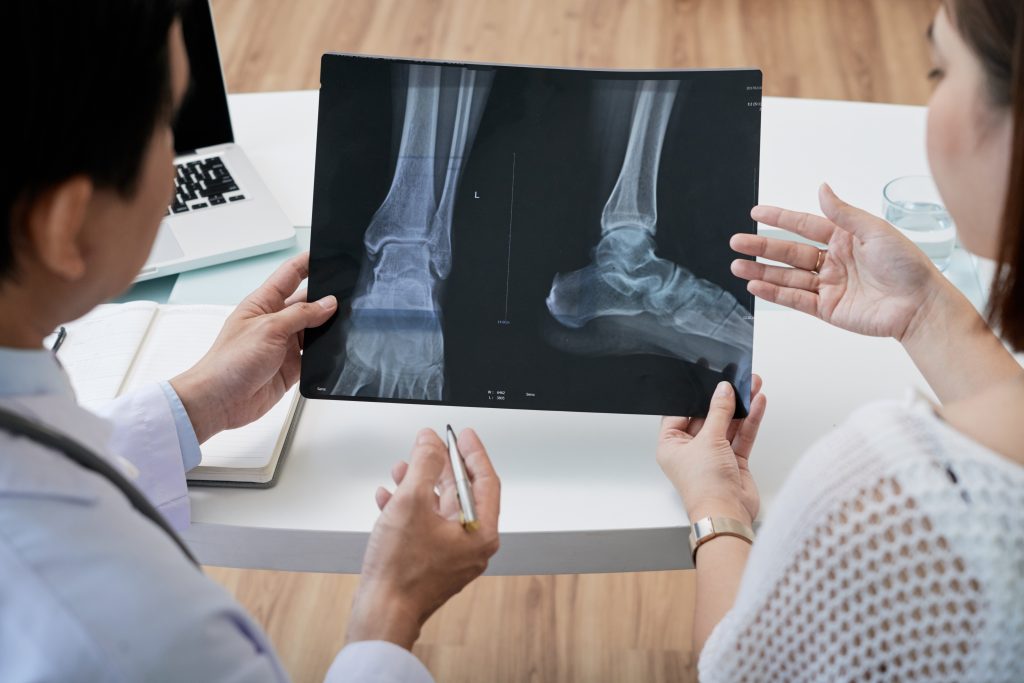
Imaging tests are not always necessary, but they may be recommended if a fracture, severe injury, or another underlying condition is suspected. X-rays can identify heel spurs, fractures, and bone abnormalities, while ultrasound or MRI scans provide detailed images of soft tissues such as the plantar fascia, Achilles tendon, ligaments, and bursae. Blood tests may occasionally be ordered if inflammatory arthritis, infection, or another systemic condition is suspected.
Fortunately, most cases of heel soreness improve with conservative treatment. One of the most important steps is reducing activities that place excessive stress on the heel. Rest allows inflamed tissues time to heal and prevents further irritation. This does not necessarily mean complete inactivity, but temporarily avoiding high-impact exercises such as running and jumping can significantly reduce pain. Low-impact activities like swimming or cycling are often suitable alternatives while recovering.
Applying ice to the painful area for about 15 to 20 minutes several times a day can help reduce inflammation and ease discomfort. Wrapping the ice pack in a towel protects the skin from cold injury. Many people find icing particularly helpful after exercise or after spending long hours on their feet.
Supportive footwear plays a major role in relieving heel pain. Shoes with good arch support, adequate cushioning, and shock-absorbing soles reduce pressure on the heel and improve overall foot alignment. Worn-out shoes should be replaced because their cushioning gradually breaks down over time. Individuals with flat feet or high arches may benefit from custom orthotics or over-the-counter shoe inserts that provide additional support and distribute weight more evenly across the foot.
Stretching exercises are often recommended because tight calf muscles and a stiff plantar fascia can contribute to heel pain. Gentle stretching improves flexibility, reduces tension, and promotes healing. Performing calf stretches and plantar fascia stretches consistently each day may reduce morning pain and improve mobility over time. It is important to perform stretches slowly without forcing the muscles beyond a comfortable range.

Strengthening the muscles of the feet, ankles, and lower legs also helps improve stability and reduce strain on the heel. Physical therapists often design personalized exercise programs that address muscle weakness, poor movement patterns, and balance issues. Therapy may also include manual techniques, massage, taping, ultrasound therapy, or shockwave therapy depending on the cause of the pain.
Over-the-counter pain relievers such as ibuprofen or naproxen may help reduce inflammation and relieve discomfort for short periods. However, these medications should be used according to the manufacturer’s instructions or under medical guidance, especially for individuals with stomach ulcers, kidney disease, heart conditions, or other health concerns. Pain medication should not replace addressing the underlying cause of heel soreness.

For persistent plantar fasciitis or other chronic conditions that do not improve with conservative treatment, healthcare providers may recommend additional therapies. Corticosteroid injections can reduce inflammation and provide temporary pain relief, although repeated injections are generally avoided because they may weaken tissues over time. Extracorporeal shockwave therapy uses sound waves to stimulate healing in damaged tissues and may be beneficial for some patients with chronic heel pain. Surgery is rarely necessary and is usually considered only after several months of unsuccessful non-surgical treatment.
Preventing heel soreness is often easier than treating it once it becomes severe. Wearing supportive shoes that fit properly is one of the most effective preventive measures. Athletic shoes should be replaced regularly, especially if they have lost their cushioning or tread. Gradually increasing exercise intensity rather than making sudden changes allows the feet to adapt safely to increased physical demands. Warming up before exercise and stretching afterward can help maintain flexibility and reduce stress on the heel.
Maintaining a healthy body weight also reduces pressure on the feet and lowers the risk of developing plantar fasciitis and other heel conditions. People whose jobs require prolonged standing may benefit from taking short sitting breaks, using cushioned floor mats, or alternating between supportive footwear throughout the day. Listening to your body and addressing minor discomfort early can prevent more serious injuries from developing.
Although most heel soreness improves with self-care, certain warning signs require prompt medical attention. You should seek evaluation if you cannot bear weight on the affected foot, experience severe swelling or bruising after an injury, develop redness and warmth accompanied by fever, notice numbness or significant weakness, or if your heel pain persists for several weeks despite home treatment. Early diagnosis helps prevent complications and allows appropriate treatment to begin sooner.

Ignoring persistent heel pain may lead to chronic inflammation, altered walking patterns, and additional problems affecting the ankles, knees, hips, and lower back. When pain causes you to change the way you walk, extra stress is placed on other joints and muscles, potentially creating a cycle of discomfort throughout the lower body. Addressing heel pain early not only improves foot health but also supports overall mobility and quality of life.
The outlook for most people with heel soreness is very positive. Conditions such as plantar fasciitis, Achilles tendinitis, and heel bursitis usually respond well to conservative treatment, although recovery may take several weeks or even several months depending on the severity of the condition. Consistency with stretching, supportive footwear, activity modification, and rehabilitation exercises often produces the best long-term results. Returning to strenuous activities too quickly can delay healing and increase the risk of recurrence.

In conclusion, if you are wondering, “Why is the heel of my foot sore?”, the answer may involve several possible causes, including plantar fasciitis, Achilles tendinitis, heel bursitis, heel spurs, stress fractures, overuse injuries, poor footwear, excess body weight, nerve compression, or inflammatory medical conditions. Identifying the source of your pain is essential for choosing the most effective treatment. Most cases improve with rest, supportive footwear, stretching, physical therapy, and gradual return to activity. However, persistent, severe, or worsening heel pain should always be evaluated by a qualified healthcare professional to ensure an accurate diagnosis and appropriate treatment plan. By taking early action and caring for your feet, you can reduce pain, restore mobility, and return to your normal daily activities with greater comfort and confidence.