
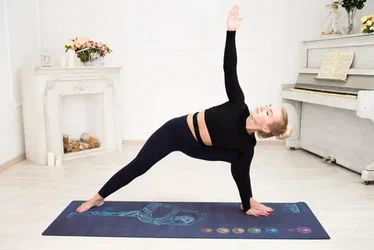
Standing Stretches for Lower Back Pain: Simple Exercises to Relieve Pain and Improve Mobility
Lower back pain is one of the most common health problems affecting millions of people worldwide. Whether your pain is caused by long hours of sitting, poor posture, muscle tightness, or daily activities, stretching can play an important role in reducing discomfort and improving flexibility.
Standing stretches for lower back pain are especially useful because they can be performed almost anywhere — at home, in the office, or even while traveling. These stretches help loosen tight muscles, improve blood circulation, and reduce stiffness without requiring you to lie on the floor.
In this guide, you will learn the benefits of standing stretches, how to perform them safely, and the best standing stretches to relieve lower back pain.
Benefits of Standing Stretches for Lower Back Pain
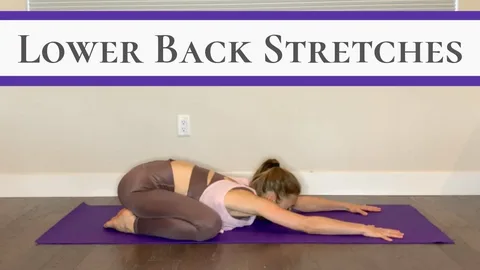
Regular standing stretches provide several benefits, including:
- Improve flexibility in the lower back and hips.
- Reduce muscle tension and stiffness.
- Increase blood flow to painful areas.
- Improve posture and spinal alignment.
- Reduce the risk of future injuries.
- Enhance mobility and range of motion.
- Help relieve discomfort caused by prolonged sitting.
- Support overall spinal health.
When Should You Do Standing Stretches?
You can perform standing stretches:
- In the morning to reduce stiffness.
- During work breaks if you sit for long periods.
- After exercise as part of a cool-down routine.
- Whenever your back feels tight or uncomfortable.
- Before physical activity to improve flexibility.
For best results, perform these stretches daily.
Safety Tips Before You Start
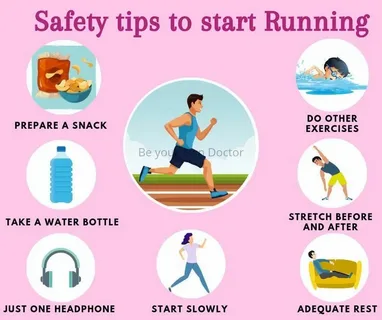
Before performing any stretching routine, remember these important safety guidelines:
- Move slowly and gently.
- Never bounce during a stretch.
- Stop immediately if you feel sharp pain.
- Breathe normally throughout each movement.
- Hold each stretch for 15–30 seconds.
- Repeat each stretch 2–3 times.
- Consult a healthcare professional if you have severe or chronic back pain.
Best Standing Stretches for Lower Back Pain
1. Standing Side Bend Stretch
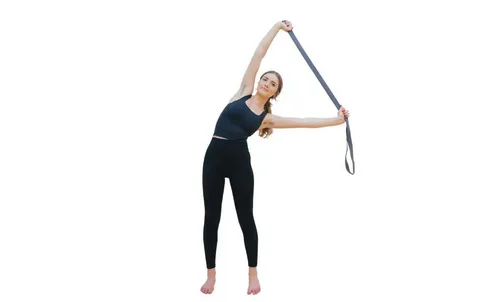
This stretch targets the muscles along the sides of your spine and lower back.
How to Perform:
- Stand with your feet shoulder-width apart.
- Raise your right arm overhead.
- Slowly bend your body to the left.
- Keep your hips facing forward.
- Hold for 20–30 seconds.
- Return to the starting position.
- Repeat on the opposite side.
Benefits:
- Stretches side back muscles.
- Improves spinal flexibility.
- Relieves tension in the lower back.
2. Standing Back Extension
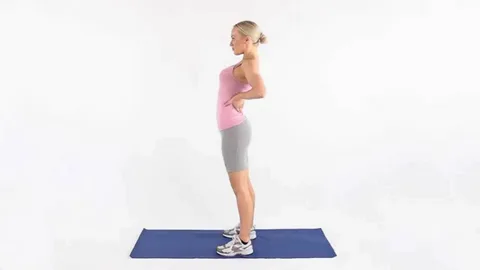
This exercise helps counteract the effects of prolonged sitting.
How to Perform:
- Stand upright with feet hip-width apart.
- Place both hands on your lower back.
- Slowly lean backward while supporting your spine with your hands.
- Keep your knees straight but not locked.
- Hold for 5–10 seconds.
- Return to standing.
Repeat 5–10 times.
Benefits:
- Improves spinal mobility.
- Reduces stiffness from sitting.
- Encourages better posture.
3. Forward Standing Hamstring Stretch
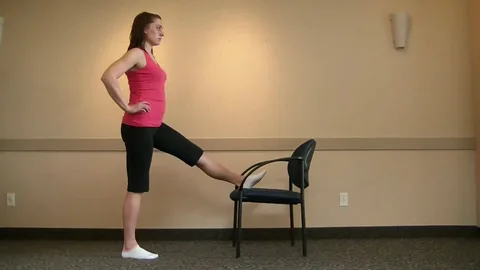
Tight hamstrings can contribute significantly to lower back pain.
How to Perform:
- Stand tall.
- Place one heel on a low step or stool.
- Keep your leg straight.
- Bend slightly forward from the hips.
- Keep your back straight.
- Hold for 20–30 seconds.
- Switch legs.
Benefits:
- Loosens tight hamstrings.
- Reduces stress on the lower back.
- Improves flexibility.
4. Standing Hip Flexor Stretch
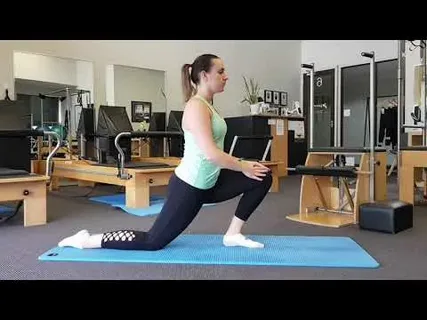
Tight hip flexors often develop from prolonged sitting.
Steps:
- Stand in a staggered stance.
- Step one foot backward.
- Bend the front knee slightly.
- Gently push your hips forward.
- Keep your chest upright.
- Hold for 20–30 seconds.
- Repeat on both sides.
Benefits:
- Reduces hip tightness.
- Improves pelvic alignment.
- Helps relieve lower back strain.
5. Standing Cat-Cow Stretch
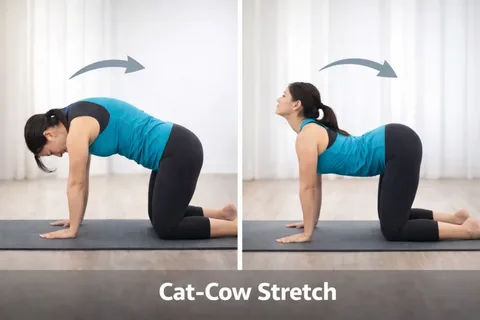
This movement improves spinal mobility and reduces stiffness.
How to Perform:
- Place your hands on your thighs.
- Slightly bend your knees.
- Round your back while tucking your chin.
- Then arch your back and lift your chest.
- Move slowly between positions.
Repeat 10–15 times.
Benefits:
- Enhances spinal flexibility.
- Reduces muscle tension.
- Promotes better movement.
6. Standing Pelvic Tilt
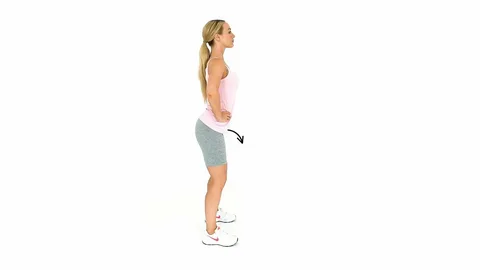
Pelvic tilts strengthen and mobilize the lower back.
Instructions:
- Stand against a wall.
- Keep your feet a few inches away from the wall.
- Tighten your abdominal muscles.
- Flatten your lower back gently against the wall.
- Hold for 5 seconds.
- Relax and repeat.
Perform 10 repetitions.
Benefits:
- Improves posture.
- Strengthens core muscles.
- Reduces lower back discomfort.
7. Standing Figure Four Stretch
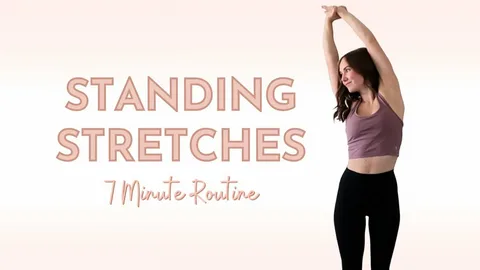
This stretch targets the hips and glute muscles.
Steps:
- Stand near a wall for support.
- Cross one ankle over the opposite knee.
- Slowly bend the standing leg.
- Keep your chest lifted.
- Hold for 20–30 seconds.
- Repeat on the other side.
Benefits:
- Relieves glute tightness.
- Improves hip flexibility.
- Reduces pressure on the lower back.
8. Standing Quadriceps Stretch
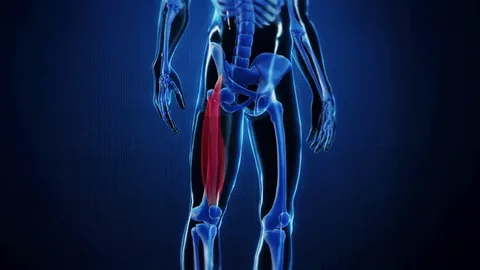
Tight thigh muscles can affect spinal alignment.
How to Do It:
- Stand upright.
- Hold onto a chair or wall.
- Bend one knee and grab your ankle.
- Pull your heel toward your buttocks.
- Keep knees together.
- Hold for 20–30 seconds.
- Repeat with the other leg.
Benefits:
- Improves thigh flexibility.
- Supports proper posture.
- Helps reduce back strain.
Sample Daily Stretching Routine
Try this simple routine:
StretchDurationStanding Side Bend30 seconds each sideBack Extension10 repetitionsHamstring Stretch30 seconds each legHip Flexor Stretch30 seconds each sideCat-Cow Stretch10 repetitionsPelvic Tilt10 repetitionsFigure Four Stretch30 seconds each sideQuadriceps Stretch30 seconds each leg
Total time: Approximately 10–15 minutes.
Additional Tips to Prevent Lower Back Pain
Besides stretching, consider these healthy habits:
- Maintain good posture while sitting and standing.
- Avoid sitting for long periods without breaks.
- Strengthen your core muscles regularly.
- Stay physically active.
- Use proper lifting techniques.
- Maintain a healthy body weight.
- Wear supportive footwear.
- Sleep on a supportive mattress.
When to Seek Medical Attention

Contact a healthcare professional if you experience:
- Severe or worsening back pain.
- Pain lasting more than a few weeks.
- Numbness or tingling in the legs.
- Weakness in the legs.
- Loss of bladder or bowel control.
- Pain following an injury or accident.
These symptoms may indicate a more serious condition requiring medical evaluation.
Conclusion
Standing stretches for lower back pain are a simple and effective way to reduce stiffness, improve flexibility, and support spinal health. Performing these exercises regularly can help ease discomfort caused by poor posture, prolonged sitting, and muscle tightness.
Consistency is key. Incorporating just a few minutes of stretching into your daily routine can significantly improve your mobility and overall quality of life. Always perform stretches gently, listen to your body, and seek professional advice if your pain persists or worsens.