
Can’t Stand Up Straight? Understanding Lower Back Pain and What You Can Do About It
Lower back pain is one of the most common health complaints worldwide. Many people experience a sudden or gradual onset of pain that makes it difficult to stand upright. If you find yourself asking, “Why can’t I stand up straight because of lower back pain?” you’re not alone.
This problem can range from mild muscle strain to more serious spinal conditions. Understanding the possible causes, symptoms, and treatment options can help you recover faster and prevent future episodes.
Why Can’t You Stand Up Straight?
When lower back pain becomes severe, the muscles, joints, ligaments, or nerves in the back may become irritated or inflamed. As a protective response, your body may force you into a bent posture to reduce pain.
Common reasons include:
- Muscle spasms
- Ligament strains
- Herniated discs
- Sciatica
- Arthritis
- Spinal stenosis
- Poor posture
- Sudden injury
In many cases, standing upright stretches the painful tissues, making the discomfort worse.
Common Symptoms Associated With Lower Back Pain
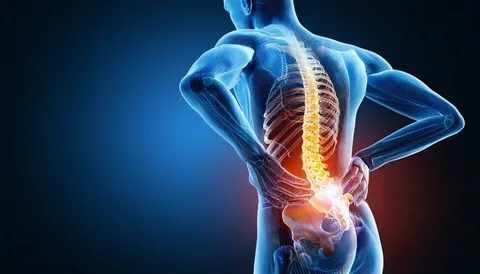
People who cannot stand straight due to lower back pain may experience:
- Sharp or stabbing pain in the lower back
- Muscle tightness or spasms
- Difficulty standing or walking
- Pain when changing positions
- Stiffness after sitting or sleeping
- Pain radiating into the buttocks or legs
- Numbness or tingling sensations
- Reduced range of motion
- Weakness in the legs
- Pain that worsens with movement
Symptoms can vary depending on the underlying cause.
Major Causes of Lower Back Pain That Prevent Standing Straight
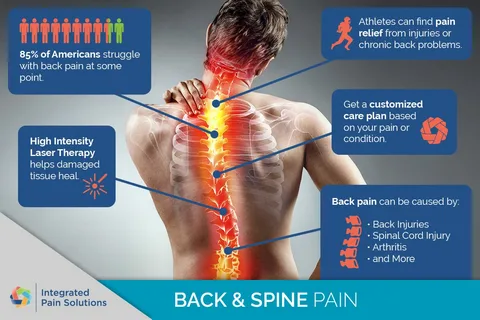
1. Muscle Strain
Muscle strain is among the leading causes of acute lower back pain.
It often occurs after:
- Lifting heavy objects incorrectly
- Sudden twisting movements
- Sports injuries
- Overuse during exercise
- Poor posture during prolonged sitting
Symptoms include:
- Muscle tightness
- Tenderness
- Difficulty moving
- Pain during activity
Most muscle strains improve within a few weeks with proper care.
2. Muscle Spasm
A muscle spasm is an involuntary contraction of muscles surrounding the spine.
Muscle spasms can:
- Cause severe pain
- Pull the body into a bent position
- Make standing straight extremely difficult
Common triggers include:
- Overexertion
- Injury
- Dehydration
- Stress
- Existing back conditions
Spasms often improve with rest, gentle stretching, and heat therapy.
3. Herniated Disc
The spine contains discs that act as cushions between vertebrae. A disc may bulge or rupture, placing pressure on nearby nerves.
Signs of a herniated disc include:
- Lower back pain
- Leg pain
- Numbness
- Tingling
- Weakness
- Pain when standing upright
A herniated disc frequently affects the lower lumbar region.
4. Sciatica
Sciatica occurs when the sciatic nerve becomes compressed or irritated.
Symptoms may include:
- Sharp pain traveling from the lower back to the leg
- Burning sensation
- Numbness
- Tingling
- Difficulty standing or walking
People with sciatica often lean to one side to reduce pressure on the nerve.
5. Degenerative Disc Disease
As people age, spinal discs naturally lose water content and flexibility.
This degeneration can lead to:
- Chronic lower back pain
- Morning stiffness
- Reduced mobility
- Difficulty standing for long periods
Risk factors include:
- Aging
- Smoking
- Obesity
- Repetitive strain
6. Spinal Stenosis
Spinal stenosis refers to narrowing of the spaces within the spine.
This narrowing may compress nerves and cause:
- Back pain
- Leg pain
- Numbness
- Weakness
- Difficulty standing upright
Many individuals with spinal stenosis feel relief when bending forward.
7. Arthritis of the Spine
Osteoarthritis can affect the joints of the spine.
Symptoms often include:
- Stiffness
- Pain after inactivity
- Reduced flexibility
- Difficulty standing straight
Arthritis-related pain tends to worsen with age.
Risk Factors for Lower Back Pain
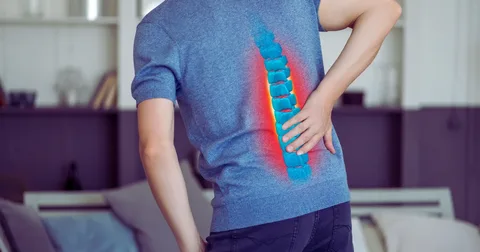
Certain factors increase the likelihood of developing severe lower back pain.
Common risk factors include:
- Poor posture
- Sedentary lifestyle
- Obesity
- Aging
- Smoking
- Heavy lifting
- Repetitive movements
- Weak core muscles
- Occupational strain
- Stress and anxiety
Understanding these risks can help prevent future episodes.
When Should You Seek Medical Attention?
Although many cases improve with conservative treatment, some symptoms require immediate medical evaluation.
Seek urgent medical care if you experience:
- Loss of bladder or bowel control
- Severe leg weakness
- Numbness around the groin area
- Sudden inability to walk
- High fever with back pain
- Pain following a serious accident
- Unexplained weight loss
- Persistent pain lasting more than six weeks
These symptoms could indicate a serious medical condition.
How Is Lower Back Pain Diagnosed?
Healthcare professionals typically diagnose lower back pain through:
Medical History
Your provider may ask about:
- When the pain started
- Previous injuries
- Pain severity
- Activities that worsen symptoms
- Associated symptoms
Physical Examination
The examination may assess:
- Posture
- Muscle strength
- Flexibility
- Reflexes
- Walking ability
Imaging Tests
If necessary, imaging studies may include:
- X-rays
- MRI scans
- CT scans
These tests help identify structural problems.
Effective Treatments for Lower Back Pain
Treatment depends on the underlying cause.
1. Rest and Activity Modification
Short-term rest can reduce acute pain. However, prolonged bed rest is generally discouraged.
Helpful tips include:
- Avoid heavy lifting
- Stay gently active
- Take short walks
- Change positions frequently
2. Heat and Cold Therapy
Both heat and cold can reduce symptoms.
Cold therapy helps:
- Reduce inflammation
- Decrease swelling
- Numb painful tissues
Apply ice packs for:
- 15–20 minutes
- Several times daily during the first 48 hours
Heat therapy helps:
- Relax muscles
- Improve circulation
- Reduce stiffness
Heat may be particularly beneficial after the initial inflammatory phase.
3. Physical Therapy
Physical therapy is one of the most effective treatments for persistent lower back pain.
A physiotherapist may recommend:
- Stretching exercises
- Strengthening programs
- Postural correction
- Manual therapy
- Mobility exercises
Benefits include:
- Reduced pain
- Improved flexibility
- Better posture
- Faster recovery
- Lower risk of recurrence
4. Medications
Common medications include:
- Over-the-counter pain relievers
- Anti-inflammatory medications
- Muscle relaxants
Always use medications according to medical advice.
5. Gentle Exercises
Staying active can promote healing.
Examples include:
- Walking
- Pelvic tilts
- Knee-to-chest stretches
- Cat-camel stretch
- Core strengthening exercises
Avoid exercises that significantly increase pain.
Tips to Prevent Future Lower Back Pain
Prevention plays a vital role in long-term spinal health.
Follow these strategies:
- Maintain proper posture.
- Exercise regularly.
- Strengthen core muscles.
- Maintain a healthy weight.
- Lift objects correctly.
- Avoid prolonged sitting.
- Use ergonomic furniture.
- Stretch throughout the day.
- Stay hydrated.
- Stop smoking.
Consistency is essential for preventing recurring episodes.
Lifestyle Changes That Support Recovery
Simple daily habits can make a significant difference.
Healthy habits include:
- Sleeping on a supportive mattress
- Taking regular movement breaks
- Managing stress effectively
- Practicing good workplace ergonomics
- Wearing supportive footwear
- Engaging in low-impact exercise
Small adjustments often lead to substantial improvements.
Conclusion

Lower back pain that prevents you from standing up straight can be alarming, but it is often caused by conditions such as muscle strain, spasms, sciatica, or disc problems. While many cases improve with conservative treatments like rest, physical therapy, and gentle exercise, persistent or severe symptoms should be evaluated by a healthcare professional.
Early treatment, proper posture, and healthy lifestyle habits can help relieve pain, restore mobility, and reduce the risk of future back problems.