

Back, Neck, Shoulder, and Joint Pain: Causes, Symptoms, Treatments, and Prevention
Pain in the back, neck, shoulders, and joints is one of the most common health concerns affecting people of all ages. Whether caused by poor posture, injury, aging, or underlying medical conditions, this type of pain can interfere with daily activities and reduce quality of life. Many people experience occasional discomfort, while others struggle with chronic pain that persists for weeks or even months.
Understanding the causes, symptoms, treatment options, and preventive measures can help individuals manage pain effectively and maintain an active lifestyle.
What Is Back, Neck, Shoulder, and Joint Pain?
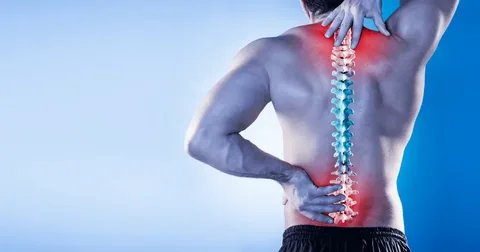
Back, neck, shoulder, and joint pain refers to discomfort, stiffness, soreness, or inflammation affecting the muscles, bones, ligaments, tendons, or joints in these areas. Pain may be temporary or chronic and can range from mild aches to severe, debilitating discomfort.
Commonly affected areas include:
·Lower back
·Upper back
·Neck
·Shoulders
·Knees
·Hips
·Elbows
·Wrists
·Ankles
·Pain can occur suddenly due to an injury or develop gradually over time.
Common Causes of Back, Neck, Shoulder, and Joint Pain
Various factors can contribute to musculoskeletal pain.
1. Poor Posture
Poor posture is one of the leading causes of back and neck pain.
Common postural habits include:
·Slouching while sitting
·Looking down at smartphones for prolonged periods
·Improper workstation setup
·Sitting for long hours without breaks
·Poor posture places excessive strain on muscles and joints, leading to discomfort.
2. Muscle Strain and Overuse
Muscle strain often occurs due to excessive physical activity or repetitive movements.
Common causes include:
·Heavy lifting
·Sports activities
·Repetitive workplace tasks
·Sudden movements
·Overexercising
·Overused muscles become inflamed, resulting in pain and stiffness.
3. Arthritis
Arthritis is a common cause of joint pain, particularly among older adults.
Types of arthritis include:
·Osteoarthritis
·Rheumatoid arthritis
·Psoriatic arthritis
·Gout
·Symptoms often worsen with age and can significantly limit mobility.
4. Injuries
Traumatic injuries may affect muscles, ligaments, tendons, and joints.
Examples include:
·Falls
·Car accidents
·Sports injuries
·Sprains
·Dislocations
·Fractures
·Prompt treatment can prevent long-term complications.
5. Herniated Disc
A herniated disc occurs when spinal discs bulge or rupture, placing pressure on nearby nerves.
Symptoms may include:
·Back pain
·Neck pain
·Tingling sensations
·Numbness
·Weakness in the arms or legs
6. Stress and Tension
Emotional stress often causes muscle tension, particularly in the neck and shoulders.
Stress-related symptoms include:
·Tight muscles
·Headaches
·Shoulder stiffness
·Neck pain
·Chronic stress may worsen existing musculoskeletal conditions.
Symptoms of Back, Neck, Shoulder, and Joint Pain
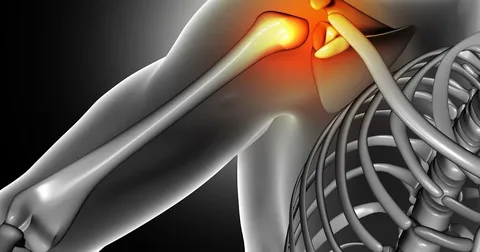
Symptoms vary depending on the underlying cause.
Common symptoms include:
·Dull aching pain
·Sharp or stabbing pain
·Muscle stiffness
·Reduced flexibility
·Swelling around joints
·Tenderness
·Muscle spasms
·Burning sensations
·Numbness or tingling
·Weakness in affected areas
·Some individuals may also experience pain that radiates into the arms or legs.
Risk Factors
Several factors increase the risk of developing musculoskeletal pain.
Common risk factors include:
·Aging
·Obesity
·Sedentary lifestyle
·Poor posture
·Repetitive movements
·Smoking
·Lack of exercise
·Stress
·Previous injuries
·Occupational strain
·Understanding these risks can help individuals take preventive action.
Conditions Associated With Back, Neck, Shoulder, and Joint Pain
Osteoarthritis
Osteoarthritis develops when protective cartilage gradually wears down.
Symptoms include:
·Joint stiffness
·Pain during movement
·Swelling
·Reduced range of motion
Rheumatoid Arthritis
Rheumatoid arthritis is an autoimmune disease that attacks healthy joint tissues.
Common symptoms include:
·Joint pain
·Morning stiffness
·Fatigue
·Swelling
·Symmetrical joint involvement
Frozen Shoulder
Frozen shoulder causes severe stiffness and restricted movement.
Symptoms include:
·Progressive shoulder pain
·Difficulty lifting the arm
·Limited shoulder mobility
Tendinitis
Tendinitis occurs when tendons become inflamed.
Frequently affected areas include:
·Shoulders
·Elbows
·Knees
·Wrists
Bursitis
Bursitis involves inflammation of fluid-filled sacs that cushion joints.
Symptoms include:
·Swelling
·Pain
·Tenderness
·Reduced movement
How Is Musculoskeletal Pain Diagnosed?
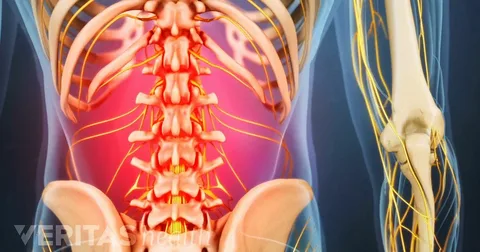
Healthcare professionals may use several methods to diagnose the cause of pain.
Medical History
Your healthcare provider may ask about:
·Pain duration
·Pain severity
·Previous injuries
·Daily activities
·Existing medical conditions
Physical Examination
A physical examination may assess:
·Range of motion
·Muscle strength
·Posture
·Joint stability
·Reflexes
Imaging Tests
Diagnostic imaging may include:
·X-rays
·MRI scans
·CT scans
·Ultrasound
Laboratory Tests
Blood tests may help identify inflammatory or autoimmune conditions.
Effective Treatment Options

Treatment depends on the underlying cause and severity of symptoms.
1. Physical Therapy
Physical therapy is often highly effective for managing musculoskeletal pain.
A physiotherapist may recommend:
·Stretching exercises
·Strengthening exercises
·Manual therapy
·Postural correction
·Mobility training
·Benefits include:
·zzReduced pain
·Improved flexibility
·Better posture
·Enhanced strength
·Faster recovery
2. Rest and Activity Modification
Short-term rest may reduce inflammation.
Helpful strategies include:
·Avoiding heavy lifting
·Taking frequent breaks
·Modifying daily activities
·Gradually returning to exercise
·Prolonged bed rest is generally discouraged.
3. Heat and Cold Therapy
Heat and cold applications can relieve symptoms.
Cold therapy helps:
·Reduce swelling
·Minimize inflammation
·Numb painful areas
Heat therapy helps:
·Relax muscles
·Improve circulation
·Reduce stiffness
4. Medications
Healthcare providers may recommend:
·Over-the-counter pain relievers
·Anti-inflammatory medications
·Muscle relaxants
·Prescription medications when necessary
·Always follow medical advice regarding medication use.
5. Exercise and Stretching
Regular exercise supports long-term joint and muscle health.
Beneficial activities include:
·Walking
·Swimming
·Yoga
·Cycling
·Stretching routines
·Exercise can improve:
·Strength
·Flexibility
·Balance
·Endurance
Recommended Stretches for Pain Relief
Certain stretches may help relieve discomfort.
Neck Stretch
Benefits:
·Reduces muscle tension
·Improves flexibility
Shoulder Rolls
Benefits:
·Relieves shoulder stiffness
·Improves circulation
Cat-Camel Stretch
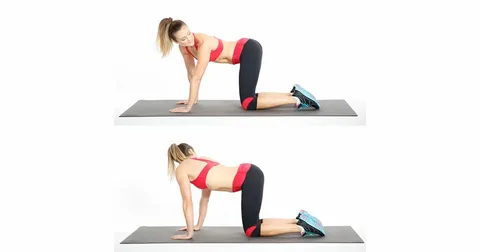
Benefits:
·Improves spinal mobility
·Reduces back stiffness
Child’s Pose
Benefits:
·Stretches the lower back
·Relaxes muscles
Knee-to-Chest Stretch
Benefits:
·Reduces lower back tightness
·Improves mobility
·Always perform exercises gently and stop if symptoms worsen.
Lifestyle Changes for Long-Term Relief
Simple lifestyle modifications can significantly improve musculoskeletal health.
Helpful habits include:
·Maintaining proper posture
·Using ergonomic furniture
·Staying physically active
·Maintaining a healthy weight
·Sleeping on a supportive mattress
·Managing stress effectively
·Taking regular movement breaks
·Staying hydrated
·Consistency is essential for long-term success.
Tips to Prevent Back, Neck, Shoulder, and Joint Pain
Follow these preventive measures:
·Exercise regularly.
·Strengthen core muscles.
·Stretch daily.
·Avoid prolonged sitting.
·Practice proper lifting techniques.
·Maintain a healthy body weight.
·Use proper workplace ergonomics.
·Wear supportive footwear.
·Avoid repetitive strain whenever possible.
·Manage stress levels.
·Preventive strategies can significantly reduce the risk of future pain episodes.
When Should You See a Doctor?

Seek medical attention if you experience:
·Severe or sudden pain
·Persistent symptoms lasting several weeks
·Significant swelling
·Numbness or tingling
·Muscle weakness
·Loss of bladder or bowel control
·Fever accompanying pain
·Pain after a serious injury
·Difficulty walking or performing daily activities
·Early diagnosis often leads to better outcomes.
Conclusion

Back, neck, shoulder, and joint pain can affect daily life, but understanding the causes and available treatment options can make recovery easier. Common causes include poor posture, muscle strain, arthritis, injuries, and stress. Most cases improve with conservative treatments such as physical therapy, exercise, lifestyle changes, and proper self-care.
However, persistent or severe symptoms should always be evaluated by a healthcare professional. By maintaining an active lifestyle, practicing good posture, and addressing symptoms early, individuals can improve mobility, reduce pain, and enjoy a healthier, more active life.