

Back Pain Hurts When I Take a Deep Breath: Causes, Symptoms, and When to Seek Help
Have you ever taken a deep breath and suddenly felt pain in your back? It can feel sharp, dull, tight, or even alarming. While sometimes the cause is as simple as a strained muscle, back pain during deep breathing can occasionally signal something more serious.
This guide explains possible causes, symptoms to watch for, treatment options, and ways to prevent it.
Why Does My Back Hurt When I Take a Deep Breath?

Breathing uses more than just your lungs. Your ribs, muscles, spine, and diaphragm all work together. When one of these structures becomes irritated or injured, taking a deep breath may trigger discomfort.
Back pain during deep breathing may appear in:
- Upper back
- Middle back
- Lower back
- Between the shoulder blades
- One side only
- Both sides
The pain can range from mild discomfort to sharp stabbing sensations.
Common Causes of Back Pain When Taking a Deep Breath
1. Muscle Strain
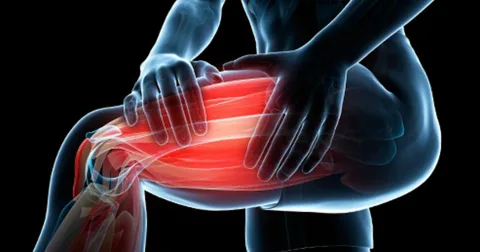
One of the most common causes is muscle strain.
You may have:
- Lifted something heavy
- Exercised intensely
- Slept in an awkward position
- Coughed repeatedly
- Sat with poor posture
Symptoms:
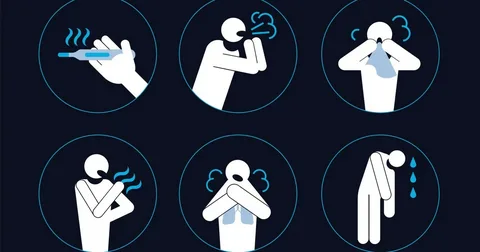
- Tender muscles
- Pain that worsens with movement
- Tightness in the upper or middle back
- Soreness during deep breathing
What helps:
- Rest
- Gentle stretching
- Heat therapy
- Staying active without overexertion
2. Poor Posture

Long hours sitting at a desk or looking down at a phone can strain muscles around the ribs and spine.
Signs:
- Rounded shoulders
- Neck stiffness
- Back discomfort after sitting
- Breathing feels restricted
Tips:
- Sit with back supported
- Keep screens at eye level
- Stretch every hour
3. Rib Joint Irritation
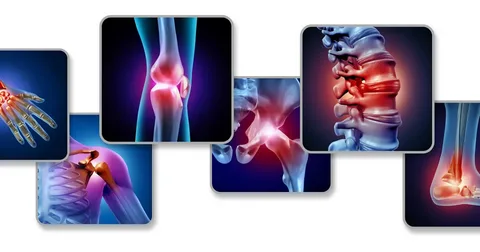
The ribs connect to the spine through small joints. These joints can become inflamed.
Symptoms:
- Pain between shoulder blades
- Sharp discomfort with deep breaths
- Pain twisting the body
Possible triggers:
- Sudden movement
- Sports injuries
- Repetitive strain
4. Costochondritis (Chest Wall Inflammation)

Inflammation around the cartilage connecting ribs can sometimes create pain that spreads to the back.
Symptoms:
- Chest tenderness
- Pain when breathing deeply
- Discomfort with coughing
5. Herniated Disc
Spinal discs act as cushions. A bulging or herniated disc can irritate nearby nerves.
Symptoms:
- Sharp back pain
- Tingling
- Numbness
- Pain during movement or deep breaths
Risk factors:
- Heavy lifting
- Aging
- Repetitive bending
6. Lung Conditions
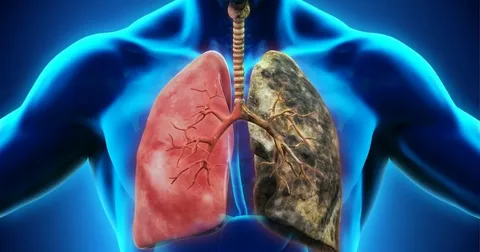
Sometimes pain during breathing originates from the lungs rather than the muscles.
Possible examples include:
- Lung infections
- Inflammation around the lungs
- Other respiratory conditions
Symptoms that may occur:
- Fever
- Cough
- Shortness of breath
- Chest discomfort
Seek medical evaluation if breathing symptoms appear.
7. Pleurisy
Pleurisy occurs when tissues surrounding the lungs become irritated.
Symptoms:
- Sharp pain during inhaling
- Chest pain spreading to back
- Worse discomfort while coughing
8. Kidney Problems
Kidney-related pain may sometimes feel like back pain.
Symptoms:
- Pain on one side
- Fever
- Urinary changes
- Nausea
9. Stress and Muscle Tension
Stress can tighten chest and back muscles.
Signs:
- Shoulder tension
- Shallow breathing
- General body tightness
Helpful strategies:
- Relaxation exercises
- Walking
- Stretching
- Better sleep habits
Symptoms That Need Medical Attention

Seek medical care urgently if back pain during deep breathing happens with:
- Severe chest pain
- Shortness of breath
- Blue lips
- High fever
- Fainting
- Leg weakness
- Loss of bladder control
- Sudden unexplained pain
How Doctors Diagnose the Cause

A healthcare professional may ask:
- Where is the pain located?
- When did it start?
- Does movement worsen it?
- Any cough or fever?
Tests may include:
- Physical examination
- Imaging
- Breathing assessment
- Blood tests
Treatment Options
Treatment depends on the cause.
Home Care
Try:
- Rest (but avoid long bed rest)
- Warm compresses
- Gentle movement
- Hydration
- Light stretching
Physical Therapy
Physical therapy may help:
- Improve posture
- Strengthen muscles
- Increase flexibility
- Reduce recurrence
Medications
A healthcare professional may recommend medication depending on the diagnosis.
Examples may include:
- Pain relief options
- Anti-inflammatory treatment
Use medications only as directed.
Simple Stretches That May Help
Shoulder Blade Stretch
- Sit upright
- Pull shoulders back
- Hold for 20 seconds
Cat-Cow Stretch
- Start on hands and knees
- Alternate arching and rounding the back
Chest Opening Stretch
- Stand in doorway
- Gently stretch chest muscles
Stop if pain increases.
Prevention Tips

Reduce future episodes by:
- Maintaining good posture
- Exercising regularly
- Stretching daily
- Avoiding sudden heavy lifting
- Taking breaks from sitting
- Strengthening core muscles
Frequently Asked Questions
Is back pain while breathing always serious?
No. Muscle strain and posture are common causes, but persistent or severe symptoms should be checked.
Can anxiety cause back pain when breathing?
Stress and muscle tension can contribute to discomfort.
Should I exercise?
Light movement is often helpful, but avoid activities that worsen symptoms.
How long does it take to recover?

Mild muscle-related pain may improve in days to weeks depending on the cause.
Conclusion
Back pain that gets worse when taking a deep breath can happen for several reasons, including muscle strain, poor posture, rib irritation, stress, or conditions affecting the lungs and spine. In many cases, mild discomfort improves with rest, gentle movement, stretching, and better daily habits. However, persistent, severe, or unusual symptoms should not be ignored.
Pay attention to how long the pain lasts and whether it appears with symptoms such as shortness of breath, fever, chest pain, or weakness. Getting the right evaluation early can help identify the cause and support faster recovery. Taking care of posture, staying active, and listening to your body can also reduce the chance of future back pain episodes.