

Exercises for Thoracic Back Pain: Effective Stretches and Strengthening Exercises for Relief
Thoracic back pain refers to discomfort in the middle portion of the spine, located between the neck and lower back. Although thoracic back pain is less common than lower back pain, it can significantly affect posture, mobility, and daily activities.
Poor posture, prolonged sitting, muscle strain, and a sedentary lifestyle are among the leading causes of thoracic back pain. Fortunately, regular exercise can help reduce pain, improve flexibility, strengthen supporting muscles, and restore normal movement.
This guide explores the best exercises for thoracic back pain, along with safety tips and lifestyle recommendations to support long-term spinal health.
What Is Thoracic Back Pain?
The thoracic spine consists of 12 vertebrae located in the middle back region. This part of the spine provides stability and supports the rib cage.
People with thoracic back pain may experience:
- Pain between the shoulder blades
- Muscle stiffness
- Tightness in the middle back
- Reduced mobility
- Pain during twisting or bending
- Poor posture
- Muscle fatigue
Common Causes of Thoracic Back Pain
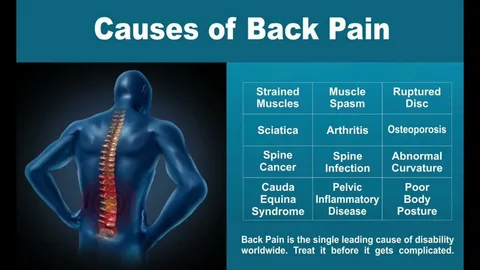
Several factors can contribute to thoracic spine discomfort.
Common causes include:
- Poor posture
- Prolonged desk work
- Muscle strain
- Heavy lifting
- Repetitive movements
- Sedentary lifestyle
- Stress and muscle tension
- Spinal arthritis
- Herniated discs
- Scoliosis
Understanding the underlying cause of your pain is important before beginning any exercise program.
Benefits of Exercises for Thoracic Back Pain
Regular exercise provides numerous benefits.
Benefits include:
- Improves spinal mobility
- Reduces muscle stiffness
- Enhances flexibility
- Strengthens supporting muscles
- Promotes better posture
- Increases blood circulation
- Reduces pain and discomfort
- Prevents future injuries
Best Exercises for Thoracic Back Pain
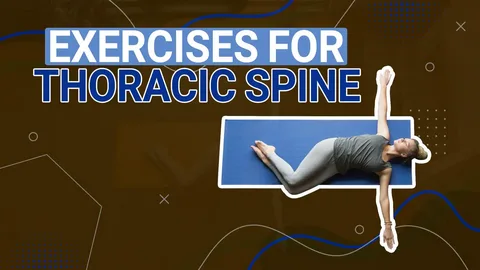
The following exercises can help improve thoracic spine mobility and reduce pain.
1. Cat-Cow Stretch
The Cat-Cow stretch is a gentle movement that improves flexibility throughout the spine.
How to Perform:
- Begin on your hands and knees.
- Position your hands directly beneath your shoulders.
- Inhale and arch your back while lifting your head.
- Exhale and round your back while tucking your chin.
- Continue moving slowly between both positions.
Repetitions:
- Perform 10 to 15 repetitions.
Benefits:
- Improves spinal mobility
- Reduces stiffness
- Relieves muscle tension
2. Child’s Pose
Child’s Pose gently stretches the thoracic muscles and promotes relaxation.
How to Perform:
- Kneel on the floor.
- Sit back on your heels.
- Extend your arms in front of you.
- Lower your chest toward the floor.
- Breathe deeply while holding the stretch.
Hold:
- Hold for 20 to 30 seconds.
- Repeat 3 times.
Benefits:
- Stretches the middle back
- Relieves tension
- Improves flexibility
3. Thoracic Extension Over a Chair
This exercise specifically targets the thoracic spine.
How to Perform:
- Sit upright in a sturdy chair.
- Place both hands behind your head.
- Gently lean backward over the backrest.
- Hold briefly.
- Return to the starting position.
Repetitions:
- Perform 10 repetitions.
Benefits:
- Improves thoracic extension
- Reduces stiffness
- Corrects poor posture
4. Thread the Needle Stretch
This exercise improves thoracic rotation and flexibility.
How to Perform:
- Begin on your hands and knees.
- Slide one arm underneath your body.
- Lower your shoulder toward the floor.
- Hold the position.
- Return and switch sides.
Hold:
- Hold for 20 seconds on each side.
Benefits:
- Increases rotational mobility
- Reduces tightness
- Improves flexibility
5. Seated Thoracic Rotation
Rotational exercises help maintain healthy spinal movement.
How to Perform:
- Sit upright on a chair.
- Cross your arms over your chest.
- Slowly rotate your upper body to one side.
- Return to the center.
- Repeat on the opposite side.
Repetitions:
- Perform 10 repetitions on each side.
Benefits:
- Enhances spinal mobility
- Improves flexibility
- Reduces stiffness
6. Shoulder Blade Squeezes
Strengthening the muscles between the shoulder blades supports better posture.
How to Perform:
- Sit or stand tall.
- Pull your shoulder blades together.
- Hold the squeeze for 5 seconds.
- Slowly relax.
Repetitions:
- Perform 10 to 15 repetitions.
Benefits:
- Improves posture
- Strengthens upper back muscles
- Reduces muscle fatigue
7. Wall Angels
Wall angels strengthen postural muscles and improve shoulder mobility.
How to Perform:
- Stand with your back against a wall.
- Raise your arms into a goalpost position.
- Slowly slide your arms upward.
- Lower them back down.
Repetitions:
- Perform 10 repetitions.
Benefits:
- Improves posture
- Enhances mobility
- Strengthens upper back muscles
8. Bird Dog Exercise
The Bird Dog exercise strengthens both the core and spinal muscles.
How to Perform:
- Start on your hands and knees.
- Extend one arm forward and the opposite leg backward.
- Hold for a few seconds.
- Return to the starting position.
- Alternate sides.
Repetitions:
- Perform 10 repetitions per side.
Benefits:
- Improves stability
- Strengthens the back muscles
- Enhances balance
9. Foam Roller Thoracic Mobilization
Using a foam roller can release tight muscles and improve mobility.
How to Perform:
- Lie on your back with a foam roller placed beneath your middle back.
- Support your head with your hands.
- Slowly lean backward over the roller.
- Return to the starting position.
Repetitions:
- Repeat 8 to 10 times.
Benefits:
- Improves mobility
- Relieves muscle tension
- Enhances flexibility
Sample Exercise Routine for Thoracic Back Pain

You can perform the following routine 3 to 5 times per week.
Mobility Exercises
- Cat-Cow Stretch — 15 repetitions
- Thread the Needle Stretch — 3 sets per side
- Thoracic Extension — 10 repetitions
Strengthening Exercises
- Shoulder Blade Squeezes — 15 repetitions
- Wall Angels — 10 repetitions
- Bird Dog Exercise — 10 repetitions per side
Stretching Exercises
- Child’s Pose — 3 repetitions
- Foam Roller Mobilization — 10 repetitions
Safety Tips for Exercising With Thoracic Back Pain
Follow these precautions to exercise safely.
- Warm up before starting.
- Move slowly and gently.
- Avoid sudden or jerky movements.
- Stop if pain increases significantly.
- Maintain proper posture throughout exercises.
- Breathe normally during movements.
- Progress gradually.
- Consult a healthcare professional if symptoms persist.
Lifestyle Tips to Prevent Thoracic Back Pain
Simple lifestyle modifications can reduce the likelihood of recurring pain.
Helpful tips include:
- Maintain proper posture while sitting and standing.
- Take regular breaks during prolonged sitting.
- Use an ergonomic workstation.
- Strengthen your core muscles.
- Exercise regularly.
- Avoid carrying heavy bags on one shoulder.
- Manage stress effectively.
- Sleep on a supportive mattress.
When to See a Physiotherapist
Seek professional medical advice if you experience:
- Severe or worsening pain
- Pain lasting longer than several weeks
- Numbness or tingling
- Weakness in the arms or legs
- Difficulty breathing
- Pain following trauma or injury
A physiotherapist can assess your condition and design a personalized rehabilitation program.
Frequently Asked Questions (FAQs)
What are the best exercises for thoracic back pain?
Some of the most effective exercises include:
- Cat-Cow Stretch
- Child’s Pose
- Thread the Needle Stretch
- Thoracic Extensions
- Wall Angels
- Bird Dog Exercise
Can exercise worsen thoracic back pain?
Yes. Performing exercises incorrectly or exercising through severe pain may worsen symptoms. Always prioritize proper technique.
How often should I perform thoracic back exercises?
Most individuals benefit from performing these exercises three to five times per week.
Is walking beneficial for thoracic back pain?
Yes. Walking promotes blood circulation, improves mobility, and helps reduce stiffness.
Conclusion
Thoracic back pain can affect posture, movement, and overall quality of life. Fortunately, regular exercise can significantly improve mobility, reduce pain, and strengthen the muscles supporting the spine.
Exercises such as Cat-Cow stretches, Child’s Pose, Thread the Needle, and Bird Dog exercises are excellent choices for managing thoracic back pain. Consistency, proper technique, and maintaining good posture are essential for achieving long-term relief.
If your symptoms persist or worsen, consult a qualified physiotherapist for a comprehensive evaluation and personalized treatment plan.