

Upper Middle Back Pain Causes in Females: Common Reasons, Symptoms, and Treatment Options
Upper middle back pain is a common problem experienced by women of all ages. The pain usually occurs between the shoulder blades or in the thoracic spine, which is the middle section of the back. While some women experience occasional discomfort due to poor posture or muscle strain, others may develop persistent pain that affects daily activities and quality of life.
Understanding the possible causes of upper middle back pain in females is important because the condition can range from a minor muscle issue to a sign of an underlying medical problem. Identifying the source of pain can help ensure proper treatment and prevent future complications.
What Is Upper Middle Back Pain?
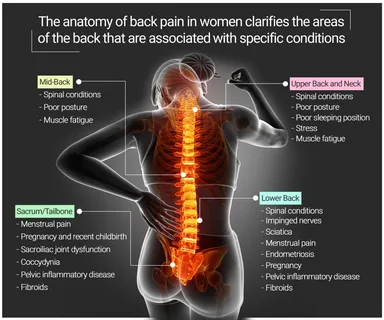
The upper middle back, also known as the thoracic spine, extends from the base of the neck to the lower edge of the rib cage. This region consists of twelve vertebrae, muscles, ligaments, nerves, intervertebral discs, and joints that work together to support the body and allow movement.
Pain in this area may present as a dull ache, sharp discomfort, stiffness, muscle tightness, or burning sensations. Some women may notice pain only during certain activities, while others may experience continuous discomfort throughout the day.
Poor Posture
Poor posture is one of the most common causes of upper middle back pain in females. Modern lifestyles often involve prolonged sitting, frequent smartphone use, and extended hours working on computers. These activities can cause women to slouch, round their shoulders, and lean their heads forward.
Over time, poor posture places excessive stress on the muscles and ligaments of the upper back. This added strain can lead to muscle fatigue, stiffness, and chronic pain between the shoulder blades. Women who spend many hours sitting at a desk without ergonomic support are particularly susceptible to postural back pain.
Muscle Strain and Overuse
Muscle strain is another frequent cause of upper middle back pain. Everyday activities such as lifting heavy objects, carrying children, repetitive household chores, or participating in strenuous exercise can overwork the muscles in the upper back.
Sudden movements or improper lifting techniques may also result in muscle injuries. A strained muscle typically causes soreness, tenderness, and discomfort that worsens with movement. Fortunately, most mild muscle strains improve with rest, gentle stretching, and proper self-care.
Large Breast Size
Women with larger breasts often experience upper and middle back pain due to the additional weight placed on the spine and surrounding muscles. Excess breast weight can pull the shoulders forward, leading to poor posture and increased strain on the upper back.
Over time, this constant stress may result in chronic pain, muscle tightness, shoulder discomfort, and visible grooves from bra straps. Wearing a properly fitted and supportive bra can help reduce pressure on the back and improve posture.
Pregnancy
Pregnancy frequently contributes to upper middle back pain because of the significant physical changes that occur during this period. As the baby grows, a woman’s center of gravity shifts forward, causing changes in posture and increasing stress on the spine.
Hormonal changes during pregnancy also loosen ligaments and joints, which may reduce spinal stability. Many pregnant women develop upper back pain due to weight gain, altered posture, and increased muscle tension. The discomfort often becomes more noticeable during the later stages of pregnancy.
Stress and Emotional Tension

Emotional stress can have a significant impact on physical health. Many women unconsciously tighten the muscles in their neck, shoulders, and upper back when they feel stressed or anxious.
Persistent stress may cause muscle knots, tension headaches, and ongoing upper middle back pain. Women who notice that their pain worsens during stressful periods may benefit from relaxation techniques such as deep breathing exercises, meditation, or yoga.
Thoracic Spine Dysfunction
Problems involving the thoracic spine itself can also cause upper middle back pain. The joints, discs, and soft tissues within this region may become irritated or restricted, leading to discomfort and reduced mobility.
Thoracic spine dysfunction may develop because of repetitive movements, poor posture, aging, or previous injuries. Women experiencing thoracic spine issues often report stiffness, localized pain, and difficulty twisting or bending.
Herniated Thoracic Disc
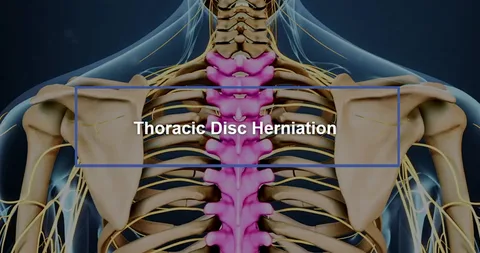
Although herniated discs occur more commonly in the neck and lower back, they can also develop in the thoracic spine. A herniated disc occurs when the soft inner material of a spinal disc pushes through its outer layer.
This condition may place pressure on nearby nerves, resulting in upper back pain, numbness, tingling, or weakness. In some cases, pain may radiate around the chest or ribs. Medical evaluation is recommended if neurological symptoms occur.
Osteoarthritis
Osteoarthritis is a degenerative joint condition that becomes increasingly common with age. It occurs when the protective cartilage covering the joints gradually wears down.
When osteoarthritis affects the spine, women may experience upper middle back pain, stiffness, and reduced mobility. Symptoms often worsen after periods of inactivity and improve somewhat with gentle movement.
Osteoporosis
Women, especially after menopause, face an increased risk of osteoporosis. This condition weakens the bones, making them more vulnerable to fractures.
Compression fractures in the spine can cause sudden and severe upper back pain. Women with osteoporosis may also notice height loss, a stooped posture, or chronic discomfort in the upper back. Maintaining adequate calcium and vitamin D intake is essential for bone health.
Fibromyalgia

Fibromyalgia is a chronic disorder characterized by widespread musculoskeletal pain and tenderness. The condition is significantly more common in women than in men.
In addition to upper middle back pain, fibromyalgia often causes fatigue, sleep disturbances, headaches, and difficulty concentrating. The exact cause of fibromyalgia remains unclear, but early diagnosis and comprehensive treatment can help manage symptoms.
Scoliosis
Scoliosis refers to an abnormal sideways curvature of the spine. Depending on the severity of the curvature, scoliosis may place uneven stress on muscles and joints, resulting in upper middle back pain.
Women with scoliosis may notice uneven shoulders, poor posture, and muscle imbalance. Mild cases may produce minimal symptoms, whereas severe cases can significantly affect daily function.
Underlying Medical Conditions
In some situations, upper middle back pain may be related to an underlying medical condition rather than a musculoskeletal problem.
Heart conditions can sometimes present with upper back pain, particularly in women. Symptoms such as chest pain, shortness of breath, dizziness, or nausea require immediate medical attention.
Certain lung conditions, including pneumonia, pleurisy, and pulmonary embolism, may also cause pain in the upper back. Additionally, gallbladder disease can produce pain that radiates to the upper back and shoulder blade area.
Risk Factors
Several factors may increase a woman’s risk of developing upper middle back pain. These include poor posture, physical inactivity, obesity, aging, stress, smoking, repetitive movements, pregnancy, and osteoporosis.
Understanding these risk factors can help women take preventive measures to protect their spinal health.
Diagnosis
Healthcare providers diagnose upper middle back pain by reviewing medical history, performing a physical examination, and assessing posture and range of motion.
Depending on the symptoms, additional diagnostic tests such as X-rays, MRI scans, CT scans, bone density tests, or blood tests may be necessary to determine the underlying cause.
Treatment Options
Treatment depends on the specific cause of the pain. Mild cases often improve with rest, heat therapy, gentle stretching, and posture correction. Physical therapy may be recommended to improve flexibility, strengthen muscles, and restore normal movement patterns.
Some women may benefit from medications such as pain relievers or anti-inflammatory drugs. Lifestyle modifications, including ergonomic improvements, stress management, regular exercise, and maintaining a healthy weight, can also contribute to long-term relief.
Prevention
Preventing upper middle back pain involves maintaining good posture, staying physically active, strengthening core muscles, taking regular breaks from sitting, and using proper lifting techniques. Wearing supportive bras, managing stress, and creating an ergonomic workspace can further reduce the risk of developing pain.
When to See a Doctor

Women should seek medical attention if upper middle back pain is severe, persistent, or accompanied by symptoms such as numbness, weakness, difficulty breathing, unexplained weight loss, fever, or loss of bladder or bowel control.
Prompt evaluation is essential because these symptoms may indicate a serious underlying condition.
Conclusion
Upper middle back pain in females can arise from many different causes, including poor posture, muscle strain, pregnancy, large breast size, osteoporosis, and underlying medical conditions. While many cases improve with conservative treatment and lifestyle changes, persistent or severe pain should never be ignored. Early diagnosis and appropriate treatment can help women regain comfort, improve mobility, and maintain long-term spinal health.