10 Best Low-Impact Exercises for Joint Pain Relief and Better Mobility
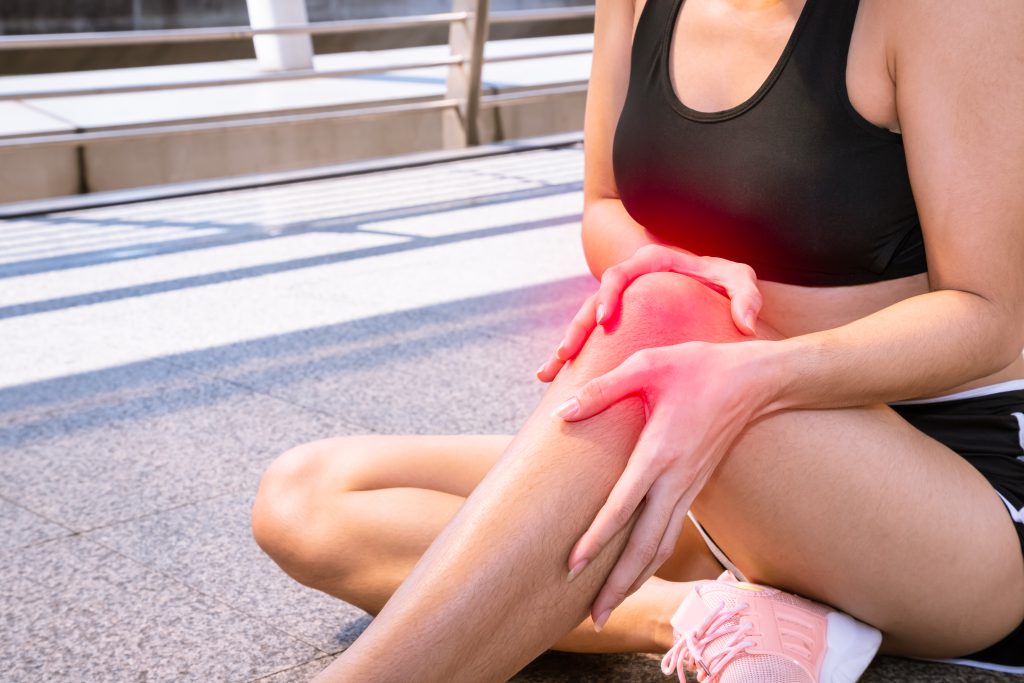
Joint pain can affect people of all ages and significantly impact daily life. Simple activities such as walking, climbing stairs, or even getting out of bed can become difficult when joints are painful or stiff. Many people believe that rest is the best solution for joint pain, but staying physically active is actually one of the most effective ways to manage discomfort and improve mobility. The key is choosing the right type of exercise.
Low-impact exercises are gentle on the joints while still providing numerous health benefits. Unlike high-impact activities such as running or jumping, low-impact exercises minimize stress on the knees, hips, ankles, and other joints. They help strengthen muscles, improve flexibility, reduce stiffness, and support overall joint health without causing excessive strain.
This article explores ten of the best low-impact exercises for joint pain relief and explains how they can help improve mobility and quality of life.
Why Low-Impact Exercise Is Important for Joint Pain

Regular physical activity plays a crucial role in maintaining healthy joints. When joints are not moved regularly, they can become stiff and less flexible. Muscles surrounding the joints may also weaken, leading to additional pain and instability. Low-impact exercises help keep joints mobile while strengthening the muscles that provide support and protection.
Exercise can also improve blood circulation, reduce inflammation, enhance balance, and assist with weight management. Maintaining a healthy weight is particularly important because excess body weight places additional stress on weight-bearing joints such as the hips, knees, and ankles.
Although some mild discomfort may occur when starting a new exercise routine, movement generally helps reduce long-term pain and improve overall function.
Walking

Walking is one of the simplest and most effective exercises for individuals experiencing joint pain. It requires no special equipment other than comfortable, supportive footwear and can be easily incorporated into a daily routine. Walking helps lubricate the joints, strengthen muscles in the lower body, and improve overall endurance.
People with joint pain should begin at a slow pace and gradually increase their walking duration as comfort improves. Walking on softer surfaces, such as grass or walking tracks, may further reduce stress on sensitive joints.
Swimming

Swimming is often recommended by healthcare professionals for people with arthritis and chronic joint pain. Water supports the body’s weight, significantly reducing pressure on painful joints while allowing a full range of movement.
Swimming provides an excellent cardiovascular workout while strengthening muscles throughout the body. The buoyancy of water enables individuals to exercise with less pain and greater comfort than land-based activities. Even gentle swimming sessions performed several times per week can contribute to improved flexibility and reduced stiffness.
Water Aerobics

Water aerobics offers many of the same benefits as swimming while adding structured movements designed to improve strength, flexibility, and cardiovascular fitness. Because the water supports body weight, participants can move more freely without placing excessive stress on their joints.
Water aerobics classes often include activities such as walking in water, leg movements, arm exercises, and gentle stretching. These exercises can be particularly beneficial for individuals with osteoarthritis, rheumatoid arthritis, or obesity-related joint pain.
Cycling

Cycling is another excellent low-impact exercise that helps maintain joint mobility and strengthen muscles, especially in the legs. Stationary cycling is particularly beneficial because it allows individuals to exercise in a controlled and safe environment.
Regular cycling can improve knee and hip flexibility while increasing cardiovascular endurance. Individuals should ensure that their bicycle seat is properly adjusted to avoid unnecessary strain on the joints. Starting with short sessions and gradually increasing duration can help prevent overexertion.
Yoga

Yoga combines gentle stretching, strengthening, breathing techniques, and relaxation practices. Many yoga poses can improve flexibility, increase muscle strength, and enhance balance, all of which contribute to better joint health.
For people with joint pain, gentle or beginner-level yoga classes are often the most appropriate. Movements should be performed slowly, and poses should never be forced. Yoga can also reduce stress, which may indirectly help decrease pain perception and improve overall well-being.
Tai Chi
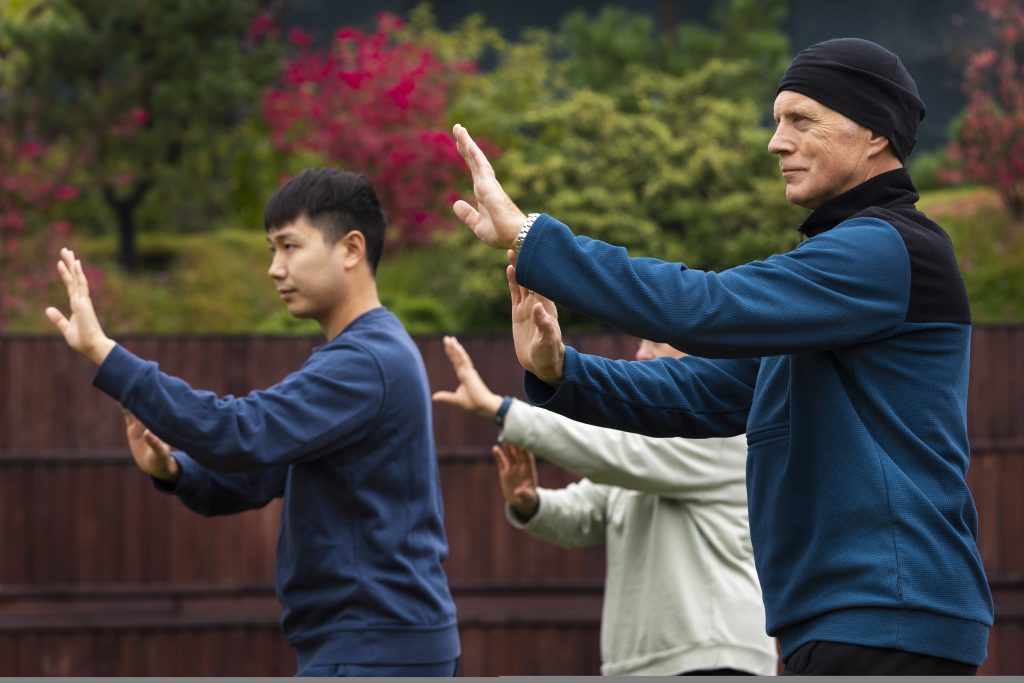
Tai Chi is a traditional exercise practice characterized by slow, flowing movements and deep breathing. Often described as meditation in motion, Tai Chi emphasizes balance, coordination, and body awareness.
Research has shown that Tai Chi can help reduce pain, improve physical function, and increase flexibility in people with chronic joint conditions. Because movements are slow and controlled, Tai Chi is considered safe for many older adults and individuals with limited mobility.
Regular practice may also improve balance and reduce the risk of falls.
Stretching Exercises
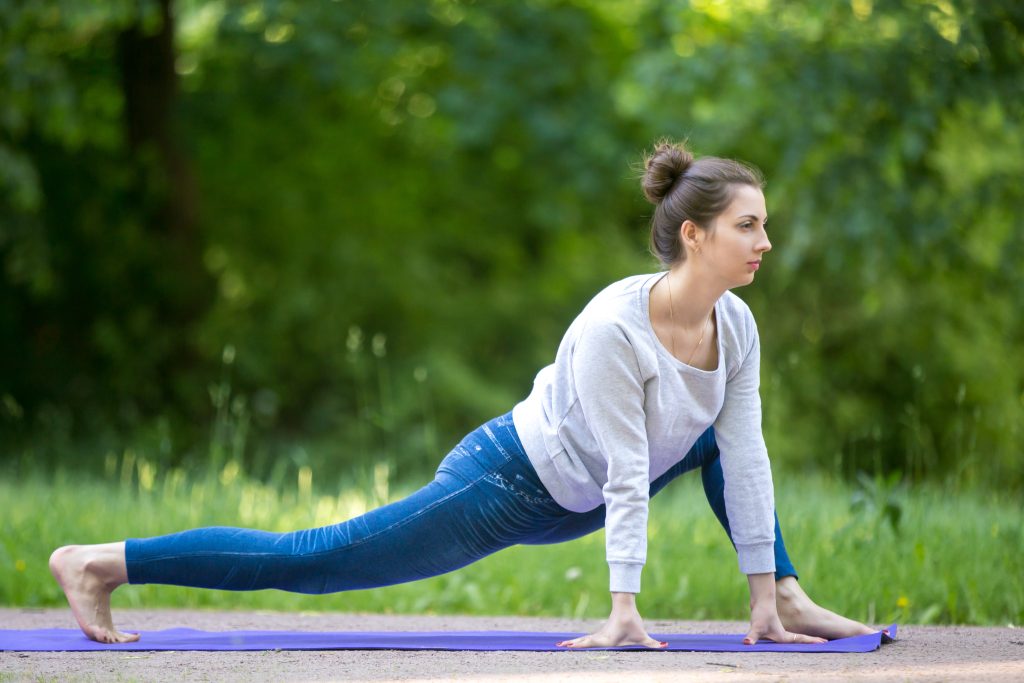
Stretching exercises are essential for maintaining flexibility and preserving a healthy range of motion in the joints. Gentle stretching helps reduce muscle tightness, improve circulation, and decrease stiffness.
Individuals experiencing joint pain should focus on slow, controlled stretches that target major muscle groups. Stretching should never cause sharp pain. Holding each stretch for approximately fifteen to thirty seconds allows muscles to lengthen safely and effectively.
Incorporating stretching into a daily routine can significantly improve mobility over time.
Strength Training
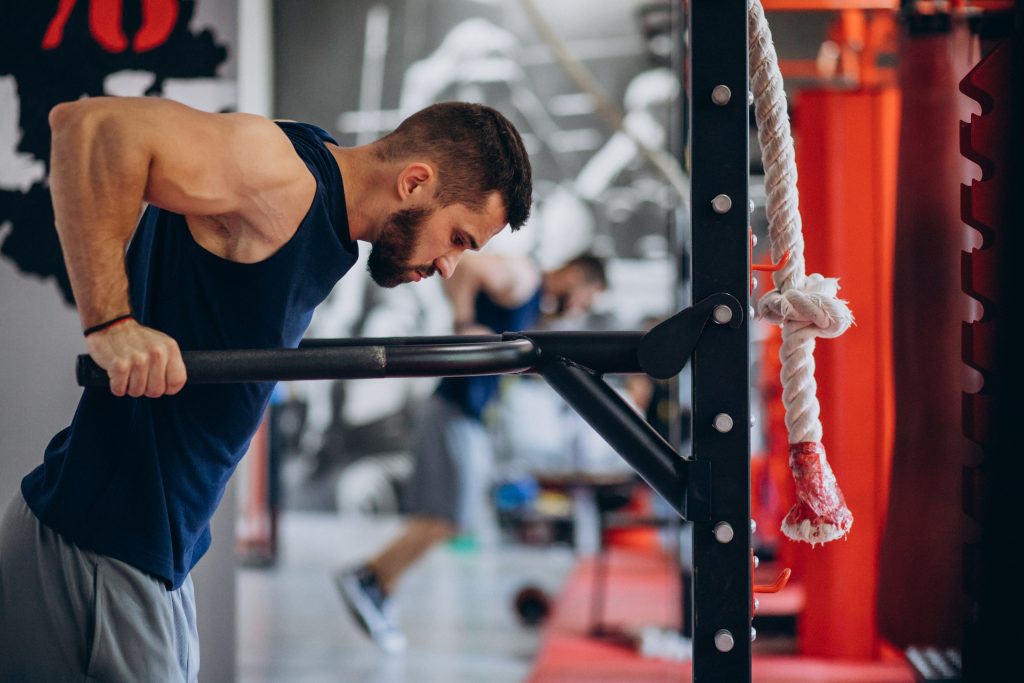
Strong muscles provide support and stability to the joints, making strength training an important component of joint pain management. Building muscle strength can reduce the workload placed on painful joints and improve overall physical function.
Strength training does not necessarily involve lifting heavy weights. Many effective exercises can be performed using resistance bands, light dumbbells, or even body weight. Exercises such as chair squats, wall push-ups, and seated leg raises can help strengthen muscles while minimizing joint stress.
It is important to progress gradually and use proper form during all strengthening exercises.
Pilates
Pilates focuses on controlled movements designed to improve core strength, posture, flexibility, and body alignment. A strong core helps support the spine and reduces strain on other joints throughout the body.

Many Pilates exercises can be modified to accommodate individual limitations, making this form of exercise suitable for people with mild to moderate joint pain. Regular practice may improve stability, balance, and overall movement efficiency.
Beginners should consider learning from a qualified instructor to ensure proper technique and avoid injury.
Chair Exercises
Chair exercises provide an accessible option for individuals who experience significant joint pain or have difficulty standing for extended periods. These exercises allow people to remain physically active while seated safely.

Seated exercises may include leg extensions, seated marching, arm raises, and ankle circles. Despite their simplicity, chair exercises can improve circulation, maintain muscle strength, and support joint mobility.
Chair-based routines are especially beneficial for older adults, individuals recovering from injury, or those with severe arthritis.
Safety Tips for Exercising With Joint Pain

People with joint pain should always listen to their bodies during exercise. Beginning slowly and gradually increasing activity levels can help prevent injury and excessive soreness. Warming up before exercise and cooling down afterward are important for preparing the muscles and joints for movement.
Supportive footwear, proper hydration, and correct exercise technique are also essential. If severe pain, swelling, or discomfort occurs during activity, exercise should be stopped and medical advice sought.
Consistency is often more beneficial than intensity. Performing gentle exercises regularly can lead to significant improvements over time.
When to Seek Medical Advice
Although exercise is beneficial for most individuals with joint pain, professional evaluation may be necessary if pain becomes severe, persistent, or progressively worse. Swelling, redness, warmth around the joints, or sudden loss of mobility should also be assessed by a healthcare professional.
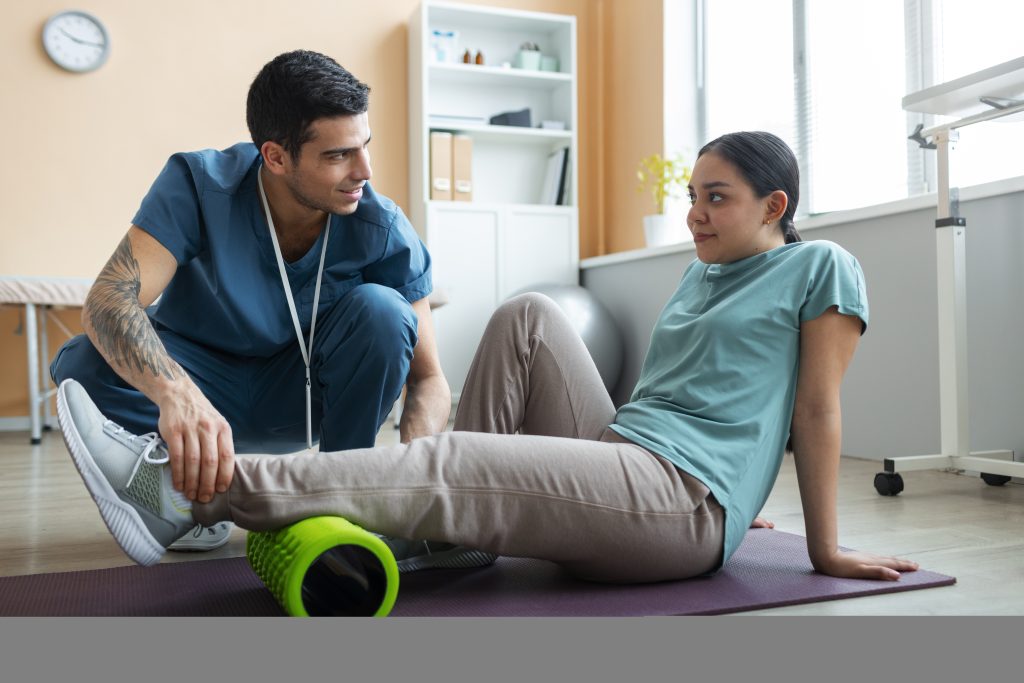
A physiotherapist can design an individualized exercise program based on a person’s specific condition, symptoms, and physical abilities.

Conclusion
Joint pain can make everyday activities difficult, but avoiding movement often worsens the problem. Low-impact exercises provide a safe and effective way to reduce pain, improve flexibility, strengthen muscles, and enhance overall mobility. Activities such as walking, swimming, cycling, yoga, Tai Chi, and stretching allow individuals to stay active while protecting their joints.
By exercising regularly and choosing movements that suit their abilities, people with joint pain can improve their quality of life, maintain independence, and enjoy greater comfort in their daily activities.