

What Causes Pain in All Your Joints? 12 Possible Reasons You Shouldn’t Ignore
Joint pain is a common health complaint that affects millions of people worldwide. While occasional discomfort in a single joint may result from overuse or minor injuries, pain affecting multiple joints simultaneously can be more concerning. Experiencing pain in all your joints can interfere with daily activities, reduce mobility, and significantly impact your quality of life.
Joint pain may range from mild aches and stiffness to severe discomfort that makes movement difficult. Understanding the potential causes of widespread joint pain is essential because some underlying conditions require prompt medical attention.
In this article, we will explore twelve possible reasons why you may experience pain in all your joints and discuss when it is important to seek medical care.
Understanding Widespread Joint Pain

Joints are the areas where two or more bones meet. They allow movement and flexibility while supporting the body’s weight. Healthy joints contain cartilage, ligaments, tendons, and lubricating fluid that help facilitate smooth motion.
Pain affecting multiple joints, also known as polyarthralgia, can result from inflammation, infection, autoimmune disorders, injuries, or lifestyle factors. Symptoms often vary depending on the underlying cause and may include stiffness, swelling, redness, fatigue, or reduced range of motion.
Rheumatoid Arthritis
Rheumatoid arthritis is one of the most common causes of widespread joint pain. It is an autoimmune disease in which the immune system mistakenly attacks the lining of the joints.
This condition commonly affects the hands, wrists, knees, ankles, and feet on both sides of the body. Individuals with rheumatoid arthritis often experience morning stiffness lasting longer than thirty minutes.
Other symptoms may include joint swelling, fatigue, weakness, and fever. Early diagnosis and treatment are important to prevent long-term joint damage.
Osteoarthritis
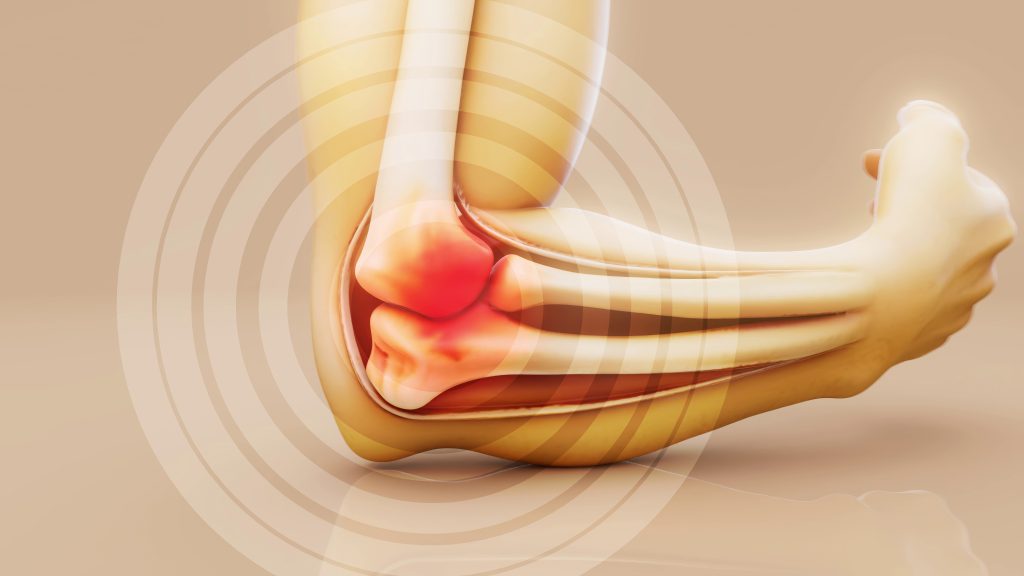
Osteoarthritis is a degenerative joint disease that occurs when cartilage gradually wears away. Although it often affects specific joints, advanced osteoarthritis can involve multiple joints simultaneously.
Commonly affected areas include the knees, hips, spine, and hands. Symptoms typically include joint stiffness, pain during movement, and reduced flexibility.
Age, previous injuries, obesity, and repetitive joint stress increase the risk of developing osteoarthritis.
Fibromyalgia

Fibromyalgia is a chronic condition characterized by widespread musculoskeletal pain and tenderness throughout the body.
People with fibromyalgia often experience pain in multiple joints and muscles without visible inflammation. Fatigue, sleep disturbances, headaches, and cognitive difficulties are also common.
Although the exact cause remains unclear, researchers believe abnormal pain processing within the nervous system may play a role.
Lupus

Systemic lupus erythematosus, commonly known as lupus, is an autoimmune disease that can affect various organs and tissues throughout the body.
Joint pain is one of the most frequent symptoms of lupus. Pain and swelling may occur in multiple joints simultaneously, particularly in the hands, wrists, and knees.
Additional symptoms may include skin rashes, extreme fatigue, fever, and sensitivity to sunlight.
Viral Infections

Certain viral infections can cause temporary joint pain affecting several joints at once. Viruses such as influenza, hepatitis, and COVID-19 may trigger widespread body aches and joint discomfort.
In many cases, joint pain improves as the infection resolves. However, some individuals may continue experiencing symptoms for weeks after recovery.
Persistent symptoms should be evaluated by a healthcare provider.
Lyme Disease
Lyme disease is a bacterial infection transmitted through tick bites. If left untreated, it can cause joint pain in multiple areas of the body.
The knees are commonly affected, but pain may occur in other joints as well. Early symptoms often include fever, fatigue, headaches, and a characteristic bull’s-eye rash.
Prompt treatment with antibiotics is important to prevent complications.
Gout
Gout is a type of inflammatory arthritis caused by the accumulation of uric acid crystals within the joints.
Although gout usually affects one joint initially, recurrent attacks may eventually involve multiple joints. Severe pain, redness, swelling, and warmth around affected joints are common symptoms.
Dietary changes and medications can help manage gout effectively.
Psoriatic Arthritis

Psoriatic arthritis is an inflammatory joint condition associated with psoriasis, a chronic skin disorder.
Joint pain, stiffness, and swelling may affect several joints throughout the body. Some individuals develop joint symptoms before noticeable skin changes appear.
Without appropriate treatment, psoriatic arthritis may lead to permanent joint damage.
Hypothyroidism
An underactive thyroid gland, known as hypothyroidism, can contribute to joint and muscle pain.
Individuals with hypothyroidism may also experience fatigue, weight gain, cold intolerance, dry skin, and depression.
Treating the underlying thyroid disorder often improves musculoskeletal symptoms.
Stress and Anxiety
Chronic stress and anxiety can contribute to widespread body aches and joint discomfort. Emotional stress may increase muscle tension, inflammation, and pain sensitivity.
Although stress alone may not directly damage joints, it can worsen existing conditions and make pain feel more severe.
Stress-management techniques such as exercise, meditation, and adequate sleep may help reduce symptoms.
Vitamin D Deficiency

Vitamin D plays an essential role in maintaining bone and joint health. Deficiency can contribute to generalized aches, muscle weakness, and joint pain.
People with limited sun exposure, certain medical conditions, or inadequate dietary intake may be at increased risk.
Healthcare providers can diagnose vitamin D deficiency through blood tests and recommend appropriate supplementation.
Chronic Fatigue Syndrome
Chronic fatigue syndrome, also known as myalgic encephalomyelitis, is a complex disorder characterized by extreme fatigue that does not improve with rest.
Many individuals with chronic fatigue syndrome experience widespread muscle and joint pain along with sleep disturbances, memory problems, and difficulty concentrating.
The exact cause remains uncertain, and treatment typically focuses on symptom management.
When Should You See a Doctor?
While occasional joint pain may not be serious, persistent or widespread pain should not be ignored.
Consult a healthcare provider if joint pain lasts for more than a few weeks, worsens over time, or interferes with normal activities.
Seek immediate medical attention if joint pain occurs alongside severe swelling, redness, high fever, unexplained weight loss, difficulty breathing, or sudden inability to move a joint.
These symptoms may indicate a serious medical condition requiring urgent evaluation.
How Is Widespread Joint Pain Diagnosed?
Diagnosing the cause of widespread joint pain often involves a detailed medical history, physical examination, and diagnostic testing.
Healthcare providers may order blood tests, imaging studies such as X-rays or MRI scans, and specialized laboratory tests to identify underlying inflammatory or autoimmune conditions.
Accurate diagnosis is essential for developing an effective treatment plan.
Managing Joint Pain Naturally

Several lifestyle changes may help reduce joint pain and improve overall well-being.
Regular low-impact exercise, maintaining a healthy weight, consuming an anti-inflammatory diet, managing stress, and getting sufficient sleep can all support joint health.
Physical therapy, stretching exercises, and proper hydration may also help improve mobility and reduce discomfort.
Conclusion
Pain affecting all your joints can result from numerous underlying causes, ranging from temporary viral infections to chronic autoimmune diseases. Conditions such as rheumatoid arthritis, lupus, fibromyalgia, osteoarthritis, and vitamin deficiencies are among the most common contributors to widespread joint pain.
Although some causes are relatively harmless, persistent or severe symptoms should never be ignored. Seeking timely medical evaluation can help identify the underlying cause and ensure appropriate treatment. With proper diagnosis and management, many individuals can successfully reduce joint pain and maintain an active, healthy lifestyle.