

Morning Lower Back Stiffness: 9 Powerful Causes, Fast Relief & Proven Treatments
Waking up with discomfort in your lower back can make it difficult to start the day with energy and confidence. Many people experience Morning Lower Back Stiffness without realizing that it may be linked to sleeping habits, posture, muscle tightness, or even an underlying medical condition. While occasional stiffness is usually temporary, persistent symptoms should never be ignored because they can interfere with daily activities and reduce your overall quality of life.
Morning Lower Back Stiffness often improves after moving around for a few minutes, but for some individuals, the pain and tightness may continue throughout the day. Understanding the possible causes and learning effective treatment options can help reduce discomfort and prevent recurring episodes. This guide explains why your lower back feels stiff in the morning, what symptoms deserve attention, and the best ways to manage the problem with lifestyle changes, physiotherapy, and medical care when necessary.
What Is Morning Lower Back Stiffness?

Morning Lower Back Stiffness refers to tightness, reduced flexibility, or aching in the lower back immediately after waking up. The stiffness may last only a few minutes or continue for an hour or longer depending on its underlying cause. Some people describe it as a dull ache, while others feel sharp discomfort when getting out of bed or bending forward.
During sleep, the body remains in one position for several hours. Reduced movement can temporarily decrease joint lubrication and tighten muscles, making the back feel stiff when you first wake up. In many cases, gentle movement restores flexibility. However, if the stiffness becomes severe, occurs every morning, or is accompanied by numbness or weakness, it could indicate a more significant health issue.
Why Does Morning Lower Back Stiffness Happen?

Several factors contribute to Morning Lower Back Stiffness, and understanding them is the first step toward finding lasting relief. Age-related changes, poor sleep posture, inactive lifestyles, and certain medical conditions all play an important role.
One common reason is muscle tension. Sitting for long hours during the day can shorten and tighten the muscles supporting the spine. When these muscles remain inactive overnight, they may become even tighter, leading to stiffness upon waking.
Another factor is spinal disc hydration. During sleep, spinal discs absorb fluid and slightly expand. This natural process can temporarily increase pressure within the spine, making movements feel uncomfortable until the body becomes active.
Inflammation is another possible cause. Conditions such as arthritis or inflammatory joint disorders often produce stiffness that is worse in the morning and gradually improves with movement.
Poor Sleeping Position and Mattress Problems

Your sleeping posture significantly affects spinal health. Sleeping on your stomach forces the lower back into an unnatural arch, placing unnecessary stress on the lumbar spine. Over time, this position can contribute to recurring Morning Lower Back Stiffness.
A mattress that is too soft may allow the body to sink unevenly, while an overly firm mattress may create pressure points that strain the lower back. Similarly, an unsupportive pillow can affect spinal alignment from the neck down to the pelvis.
Sleeping on your side with a pillow between your knees or sleeping on your back with a pillow beneath your knees helps maintain the spine’s natural curve. These simple adjustments often reduce morning discomfort and improve sleep quality.
Muscle Tightness and Lack of Physical Activity
Modern lifestyles involve prolonged sitting at desks, driving, or using electronic devices. Long periods of inactivity weaken the muscles responsible for supporting the spine while tightening the hip flexors and hamstrings.
When these muscles remain tight overnight, Morning Lower Back Stiffness becomes more noticeable after waking. Regular stretching, strengthening exercises, and walking improve circulation, maintain flexibility, and reduce stress on the lower back.
People who suddenly begin intense physical activity without proper conditioning may also experience stiffness because their muscles require time to recover from microscopic strain.
Age-Related Changes in the Spine
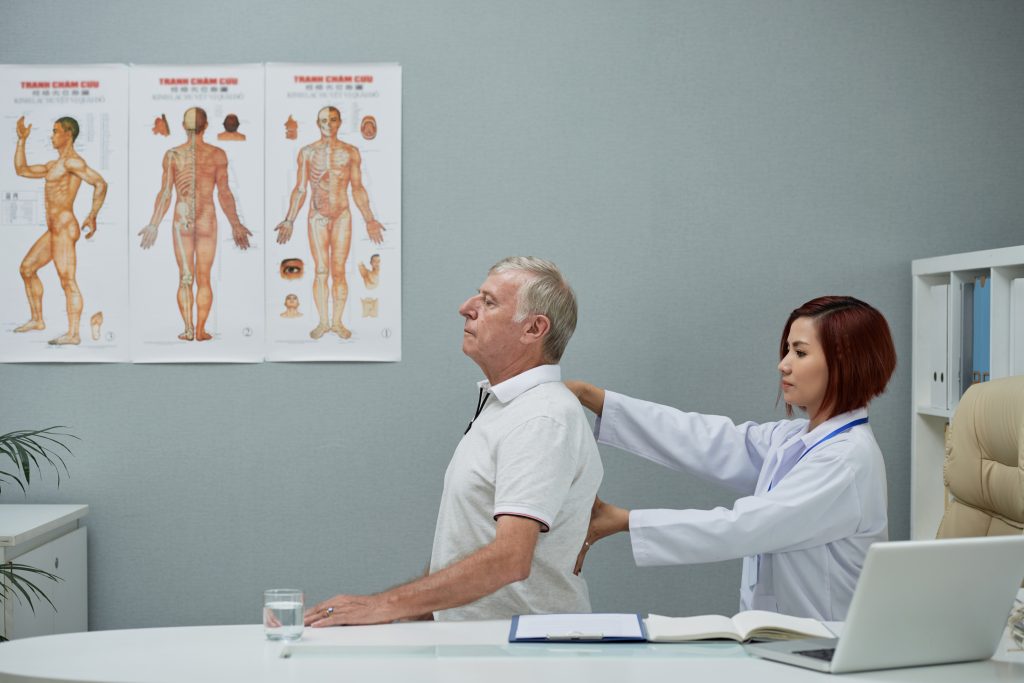
As people age, natural wear and tear affect the spine. Intervertebral discs gradually lose water content and elasticity, reducing their ability to absorb shock. Facet joints may also develop mild arthritis, limiting flexibility.
These normal aging processes can contribute to Morning Lower Back Stiffness, especially in adults over forty. Although aging cannot be stopped, maintaining an active lifestyle, controlling body weight, and performing regular mobility exercises help preserve spinal function and reduce discomfort.
Arthritis and Inflammatory Conditions
Persistent stiffness lasting longer than thirty minutes each morning may indicate arthritis or another inflammatory condition. Osteoarthritis causes gradual degeneration of joint cartilage, while inflammatory diseases such as ankylosing spondylitis primarily affect the spine and sacroiliac joints.
Unlike muscle-related stiffness, inflammatory pain often improves with activity and worsens after prolonged rest. Early diagnosis is essential because appropriate treatment can slow disease progression and preserve mobility.
If Morning Lower Back Stiffness continues for weeks despite home care, consulting a healthcare professional is highly recommended.
Common Symptoms That May Accompany Morning Lower Back Stiffness
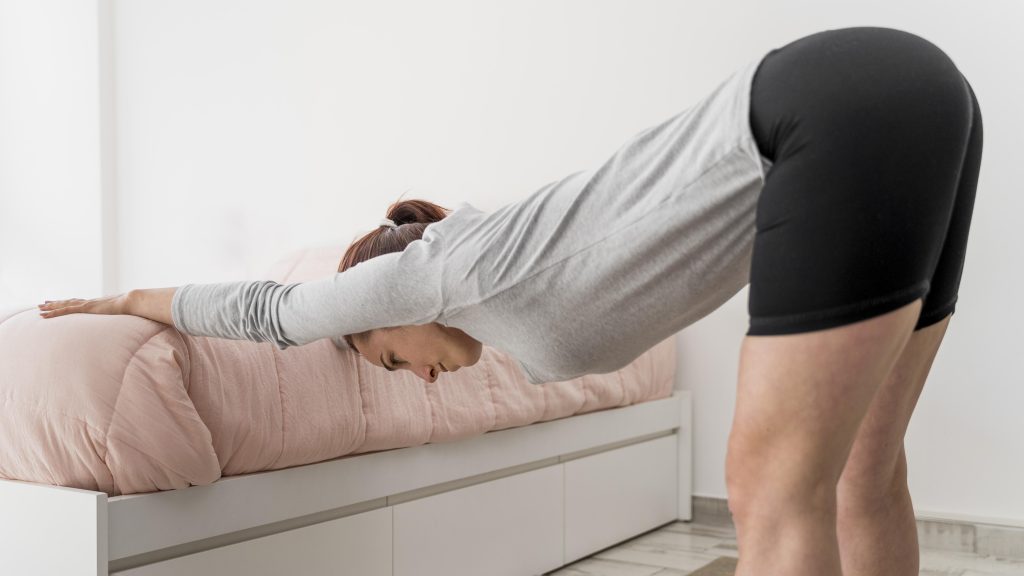
The symptoms vary depending on the underlying cause. Some individuals notice only mild tightness, whereas others experience significant pain that limits movement.
You may find it difficult to stand upright immediately after getting out of bed. Bending forward, twisting, or lifting objects can increase discomfort. Some people experience muscle spasms that gradually ease as they walk around.
In certain cases, stiffness may spread into the hips or buttocks. If a nerve becomes irritated, pain can radiate down one leg along with tingling or numbness.
Although occasional stiffness is common, recurring symptoms that interfere with work or daily activities should be evaluated by a physiotherapist or physician.
How Physiotherapy Helps Reduce Morning Lower Back Stiffness
Physiotherapy is one of the most effective non-surgical treatments for Morning Lower Back Stiffness because it addresses the root causes rather than simply masking symptoms.
A physiotherapist carefully evaluates posture, spinal mobility, muscle strength, flexibility, and movement patterns before designing an individualized rehabilitation program. Treatment may include gentle stretching to improve flexibility, manual therapy to reduce joint restrictions, soft tissue techniques to relieve muscle tension, and strengthening exercises that stabilize the spine.
Education is equally important. Patients learn how to sit correctly, lift safely, improve workplace ergonomics, and choose sleeping positions that support healthy spinal alignment.
Consistent physiotherapy not only reduces pain but also lowers the risk of future episodes, allowing individuals to regain confidence in their daily movements.
Can Stress Cause Morning Lower Back Stiffness?
Stress affects both mental and physical health. When the body remains under continuous stress, muscles naturally tighten as part of the body’s protective response. This increased muscle tension commonly affects the neck, shoulders, and lower back.

Poor sleep quality associated with anxiety also reduces overnight muscle recovery, making stiffness more noticeable after waking. Relaxation techniques, controlled breathing, regular exercise, and maintaining healthy sleep habits can significantly reduce stress-related muscle tension and improve spinal comfort.
How Morning Lower Back Stiffness Is Diagnosed
Diagnosing Morning Lower Back Stiffness begins with a detailed medical history and physical examination. A healthcare professional will ask when the stiffness started, how long it lasts after waking, whether it improves with movement, and if there are any additional symptoms such as numbness, weakness, fever, or unexplained weight loss. These questions help determine whether the problem is related to muscles, joints, spinal discs, or another medical condition.
During the physical examination, the doctor or physiotherapist evaluates posture, spinal alignment, range of motion, muscle strength, flexibility, and reflexes. They may ask you to bend forward, backward, and sideways to identify movements that increase discomfort.
If the symptoms persist or suggest a more serious condition, imaging tests such as X-rays or MRI scans may be recommended. Blood tests may also be ordered if inflammatory arthritis or infection is suspected. An accurate diagnosis ensures that the treatment plan addresses the underlying cause rather than simply relieving symptoms.
Effective Home Remedies for Morning Lower Back Stiffness
Many people can successfully manage Morning Lower Back Stiffness with simple lifestyle changes and consistent self-care. The key is to improve spinal mobility while reducing strain on the muscles and joints.
One of the best ways to reduce stiffness is to avoid jumping out of bed immediately after waking. Instead, spend a few minutes gently stretching your legs and rotating your hips before standing. This gradual movement helps increase blood flow and prepares your muscles for activity.
Applying a warm compress or taking a warm shower in the morning relaxes tight muscles and improves circulation. Heat therapy is particularly helpful for muscle-related stiffness because it reduces tension and increases flexibility.
Maintaining proper hydration also supports spinal health. Intervertebral discs rely on adequate water content to function effectively, and dehydration may contribute to discomfort in some individuals.
A balanced diet rich in calcium, vitamin D, magnesium, lean protein, fruits, and vegetables supports healthy muscles and bones while reducing inflammation.
Best Exercises to Improve Flexibility
Regular exercise is one of the most effective long-term solutions for recurring back stiffness. Gentle stretching helps loosen tight muscles while strengthening exercises improve spinal stability.
Pelvic tilts improve mobility in the lower back and activate the core muscles that support the spine. Knee-to-chest stretches gently relax the lumbar muscles and reduce tension after waking. Cat-cow movements improve flexibility throughout the spine and encourage smooth joint motion.
Bridges strengthen the gluteal muscles and lower back, reducing stress on the lumbar spine during daily activities. Walking for twenty to thirty minutes each day improves circulation, promotes healthy posture, and helps reduce stiffness naturally.
Performing these exercises consistently under the guidance of a physiotherapist provides better results than occasional stretching.
Lifestyle Changes That Prevent Morning Lower Back Stiffness
Preventing recurring Morning Lower Back Stiffness often requires long-term improvements in daily habits. Maintaining good posture throughout the day reduces unnecessary stress on the lumbar spine. Whether sitting at a desk or driving for long periods, keeping the back supported and avoiding slouching helps protect the spinal structures.
Regular physical activity prevents muscle weakness and joint stiffness. Even simple activities like walking, swimming, or cycling improve flexibility and strengthen the muscles that support the back.
Maintaining a healthy body weight also reduces pressure on the spine. Excess body weight, particularly around the abdomen, changes posture and increases stress on the lower back.
Quality sleep is equally important. Aim for seven to nine hours of restful sleep each night on a supportive mattress that keeps your spine aligned.
When Should You See a Doctor?
Although mild stiffness often improves with home treatment, persistent or severe symptoms require medical evaluation. Seek professional care if your back stiffness lasts longer than several weeks, becomes progressively worse, or repeatedly interferes with your daily routine.
Immediate medical attention is necessary if the stiffness is accompanied by severe leg weakness, loss of bladder or bowel control, numbness around the groin, unexplained fever, or sudden weight loss. These symptoms may indicate serious spinal or neurological conditions that require urgent treatment.
Early intervention improves recovery and reduces the likelihood of long-term complications.
Can Morning Lower Back Stiffness Be Prevented?
In many cases, the answer is yes. Preventing Morning Lower Back Stiffness involves taking care of your spine every day rather than only treating symptoms when they appear.
Daily stretching keeps muscles flexible and joints mobile. Strengthening the core muscles provides better spinal support during movement. Sleeping in a comfortable position with proper pillow support reduces stress on the lower back throughout the night.
Avoiding prolonged sitting, lifting heavy objects correctly, and staying physically active all contribute to long-term spinal health. Small lifestyle improvements performed consistently often produce significant results over time.
Frequently Asked Questions
Many people wonder whether morning stiffness is normal. Mild stiffness lasting only a few minutes after waking can be a normal response to several hours of inactivity. However, stiffness lasting longer than thirty to sixty minutes, especially when accompanied by swelling or severe pain, should be evaluated by a healthcare professional.
Another common question is whether exercise helps or worsens the condition. In most cases, gentle movement and stretching improve circulation and reduce muscle tightness. High-impact exercise should only be performed after receiving appropriate guidance if pain is severe.
People also ask whether sleeping position matters. The answer is yes. Sleeping on the back with a pillow under the knees or on the side with a pillow between the knees helps maintain proper spinal alignment and reduces unnecessary strain.
Finally, many individuals wonder if physiotherapy is effective. Evidence shows that personalized physiotherapy programs can significantly improve flexibility, strengthen supporting muscles, reduce pain, and prevent future episodes of back stiffness.
Conclusion
Morning Lower Back Stiffness is a common problem that affects people of all ages, but it should never be ignored if it becomes persistent or severe. Muscle tightness, poor sleeping posture, spinal degeneration, arthritis, inactivity, and stress are among the most common causes. Fortunately, most people experience significant improvement through regular stretching, strengthening exercises, healthy sleeping habits, weight management, and professional physiotherapy.
If your symptoms continue despite home treatment or are accompanied by warning signs such as numbness, weakness, or loss of bladder control, seek medical attention without delay. Early diagnosis and appropriate treatment can prevent complications and restore normal movement.
Taking proactive steps today will help protect your spine, improve your mobility, and allow you to wake up feeling comfortable, flexible, and ready to enjoy each new day.