

Back Pain After Sitting Too Long: 9 Powerful Causes, Fast Relief & Proven Treatments
Sitting has become an unavoidable part of modern life. Whether you work in an office, study for long hours, drive frequently, or spend time using electronic devices, remaining seated for extended periods can place significant stress on your spine. One of the most common complaints associated with prolonged sitting is Back Pain After Sitting Too Long. While the discomfort may seem minor at first, ignoring it can eventually lead to chronic pain, reduced mobility, and a lower quality of life.
Many people notice that their back feels stiff when they stand up after sitting for an hour or more. Others experience a dull ache that gradually worsens throughout the day. In some cases, the pain disappears after walking for a few minutes, while in others it continues to interfere with work, exercise, and daily activities. Understanding the causes, symptoms, and treatment options for Back Pain After Sitting Too Long can help you protect your spine and prevent future problems.
What Is Back Pain After Sitting Too Long?
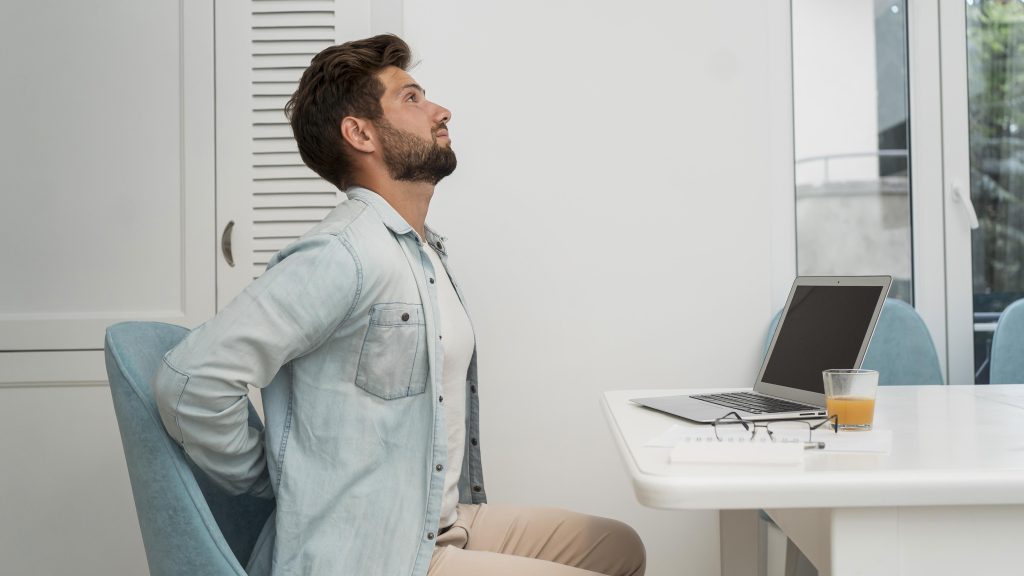
Back Pain After Sitting Too Long refers to discomfort, stiffness, or aching in the lower or middle back that develops after remaining seated for an extended period. The pain may occur immediately after standing up or gradually increase while sitting. Although it usually affects the lower back, some individuals also experience pain between the shoulder blades or in the hips.
The human spine is designed for movement rather than prolonged sitting. Remaining in one position for hours reduces blood circulation, increases pressure on the spinal discs, and places continuous stress on muscles and ligaments. Over time, these changes can result in pain, muscle fatigue, and reduced flexibility.
Fortunately, most cases improve with better posture, regular movement, strengthening exercises, and healthy lifestyle habits.
Why Does Sitting Too Long Cause Back Pain?
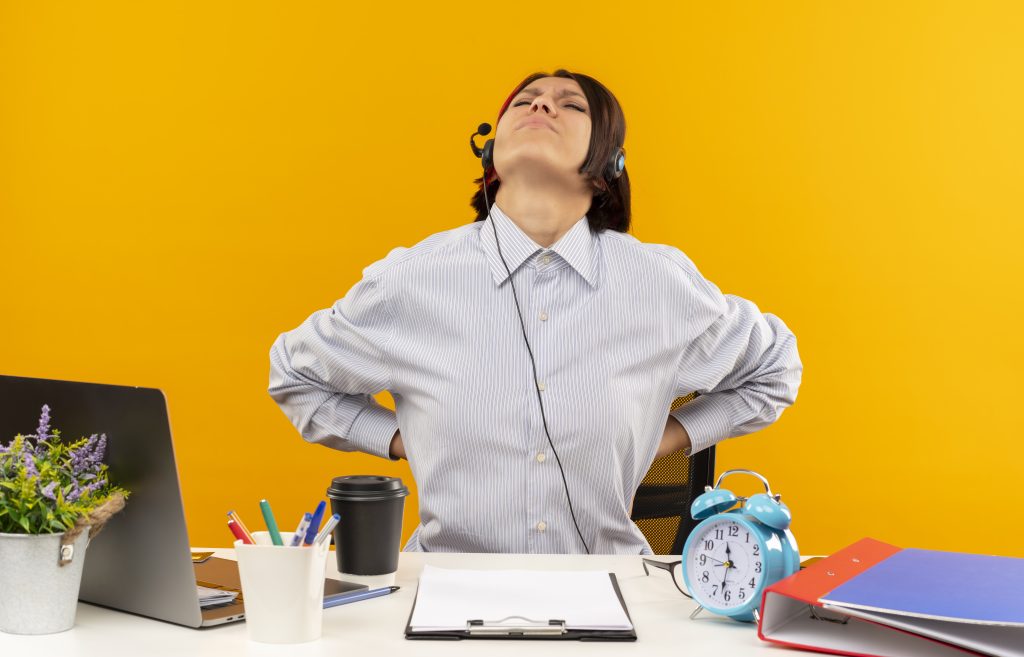
The spine relies on movement to stay healthy. Every time you walk, stretch, or change position, your spinal discs receive nutrients and your muscles remain active. Sitting for prolonged periods interrupts this natural process.
One major reason for Back Pain After Sitting Too Long is increased pressure on the lumbar spine. Research shows that sitting places more stress on the lower back than standing. Slouching or leaning forward while working on a computer increases this pressure even further.
Another contributing factor is muscle inactivity. When sitting for several hours, the core muscles become less active while the hip flexors gradually tighten. Weak abdominal muscles combined with tight hip muscles reduce spinal stability, making back pain more likely.
Poor circulation is another concern. Reduced blood flow during prolonged sitting decreases oxygen delivery to muscles, leading to fatigue and stiffness. Once you stand up, these tight muscles may produce pain until normal circulation returns.
Poor Posture and Spinal Misalignment
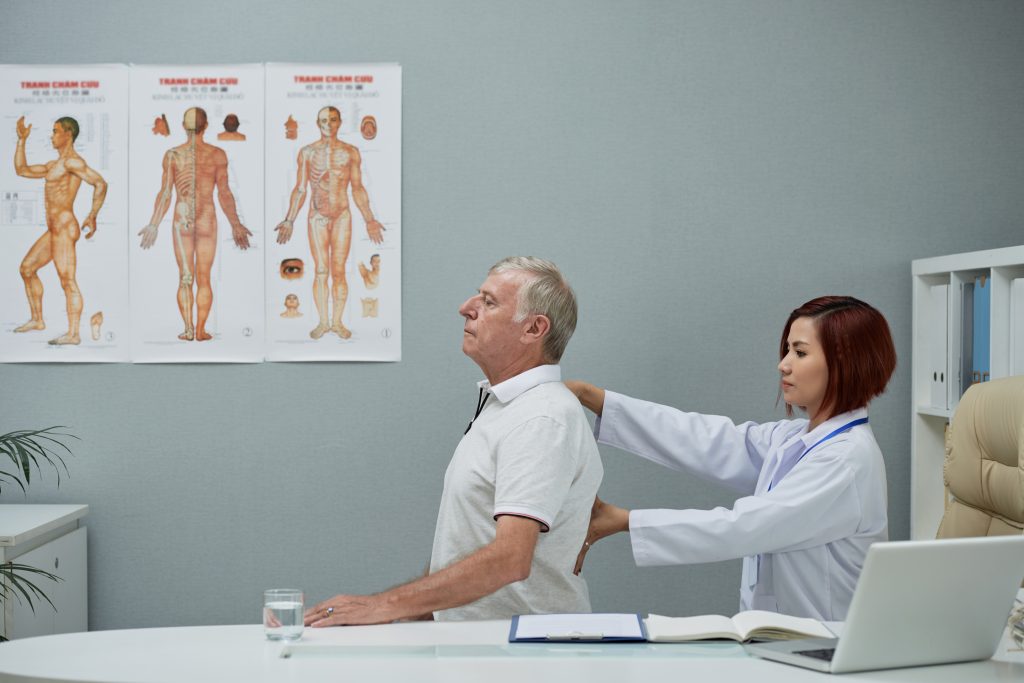
Poor posture is among the leading causes of Back Pain After Sitting Too Long. Many people unknowingly lean toward their computer screens, round their shoulders, or slump into their chairs. These positions force the spine out of its natural alignment.
Over time, poor posture places excessive strain on spinal discs, ligaments, and surrounding muscles. The lower back works harder to support body weight, eventually leading to muscle fatigue and discomfort.
Maintaining a neutral spine while sitting significantly reduces pressure on the lumbar region. Keeping both feet flat on the floor, relaxing the shoulders, and positioning the monitor at eye level all contribute to better spinal alignment.
Weak Core Muscles

The abdominal and back muscles form the body’s natural support system for the spine. When these muscles become weak due to inactivity, the lower back compensates by working harder.
People with weak core muscles often experience Back Pain After Sitting Too Long because the spine lacks sufficient support during prolonged sitting. Every small movement places additional strain on the lumbar muscles, eventually causing fatigue and pain.
Regular core-strengthening exercises improve posture, stabilize the spine, and reduce the likelihood of recurring back pain.
Tight Hip Flexors and Hamstrings
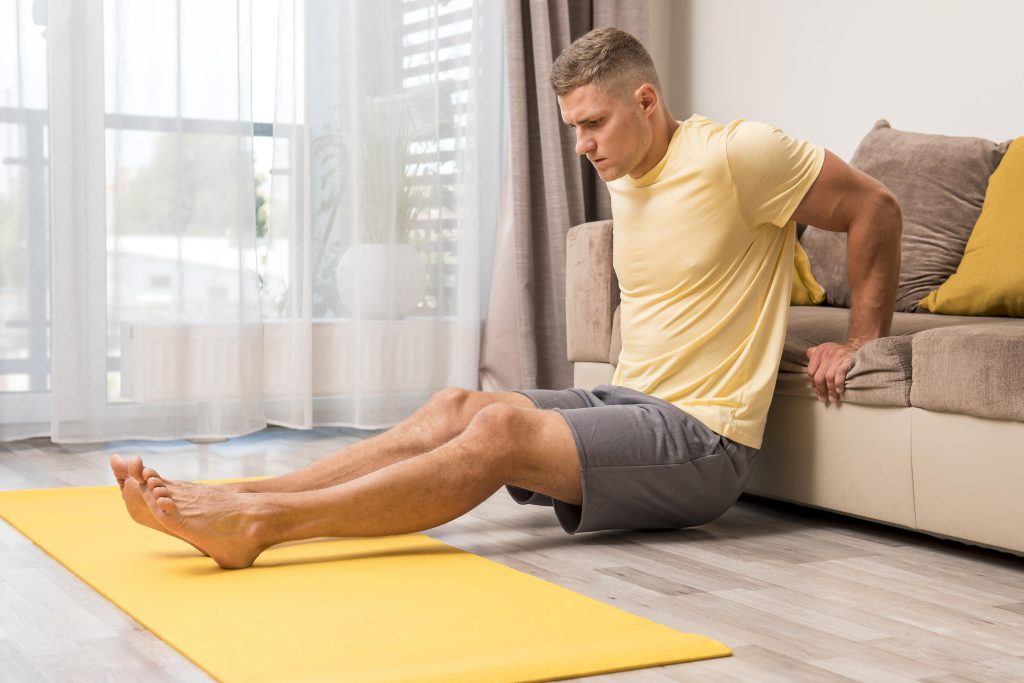
Remaining seated for many hours shortens the hip flexor muscles located at the front of the hips. Tight hip flexors pull the pelvis forward, increasing the arch in the lower back and placing additional stress on the lumbar spine.
Similarly, tight hamstrings reduce pelvic mobility and limit normal movement patterns. These muscle imbalances frequently contribute to Back Pain After Sitting Too Long, particularly when standing after extended periods of sitting.
Daily stretching helps restore muscle flexibility and improves spinal alignment.
Herniated Discs and Degenerative Changes

Although most sitting-related back pain results from muscular strain, prolonged poor posture can also contribute to spinal disc problems.
Intervertebral discs act as cushions between the vertebrae. Continuous pressure caused by poor sitting posture may gradually weaken these discs, increasing the risk of bulging or herniation.
Degenerative disc disease, which becomes more common with age, may also worsen symptoms. Individuals with existing spinal conditions often notice that Back Pain After Sitting Too Long becomes more severe after working at a desk or driving for several hours.
Proper ergonomics and regular movement are essential for reducing spinal disc pressure.
Common Symptoms
The symptoms vary depending on the underlying cause and severity of the condition. Most individuals describe a dull ache in the lower back that becomes noticeable after sitting for extended periods.
Some people experience stiffness that improves after walking for several minutes. Others notice muscle tightness, reduced flexibility, or difficulty standing upright immediately after getting out of a chair.
Pain may occasionally spread into the hips or buttocks. If a spinal nerve becomes irritated, discomfort may travel down one leg along with tingling or numbness.
Persistent symptoms should never be ignored because early treatment often prevents long-term complications.
Risk Factors That Increase the Problem

Several lifestyle factors increase the likelihood of developing Back Pain After Sitting Too Long. Office workers who spend eight or more hours sitting each day face a higher risk than individuals with physically active jobs.
Driving long distances, working from home without ergonomic furniture, obesity, poor physical fitness, smoking, and insufficient exercise all contribute to spinal stress.
Age also plays a role because natural degeneration of spinal discs and joints reduces flexibility over time. However, younger adults who spend excessive time using computers or smartphones may also develop similar symptoms due to poor posture.
How Physiotherapy Helps
Physiotherapy is considered one of the most effective treatments for Back Pain After Sitting Too Long because it focuses on correcting the underlying causes rather than simply relieving pain.
A physiotherapist begins by evaluating posture, movement patterns, spinal mobility, muscle strength, and flexibility. Based on the findings, an individualized rehabilitation program is created to improve spinal function.
Treatment often includes manual therapy to improve joint mobility, soft tissue techniques to reduce muscle tension, stretching exercises for tight muscles, and strengthening exercises that stabilize the spine.
Patients also receive education about proper sitting posture, workstation ergonomics, lifting techniques, and daily movement habits. These changes not only reduce existing pain but also help prevent future episodes.
Can Stress Make Sitting-Related Back Pain Worse?
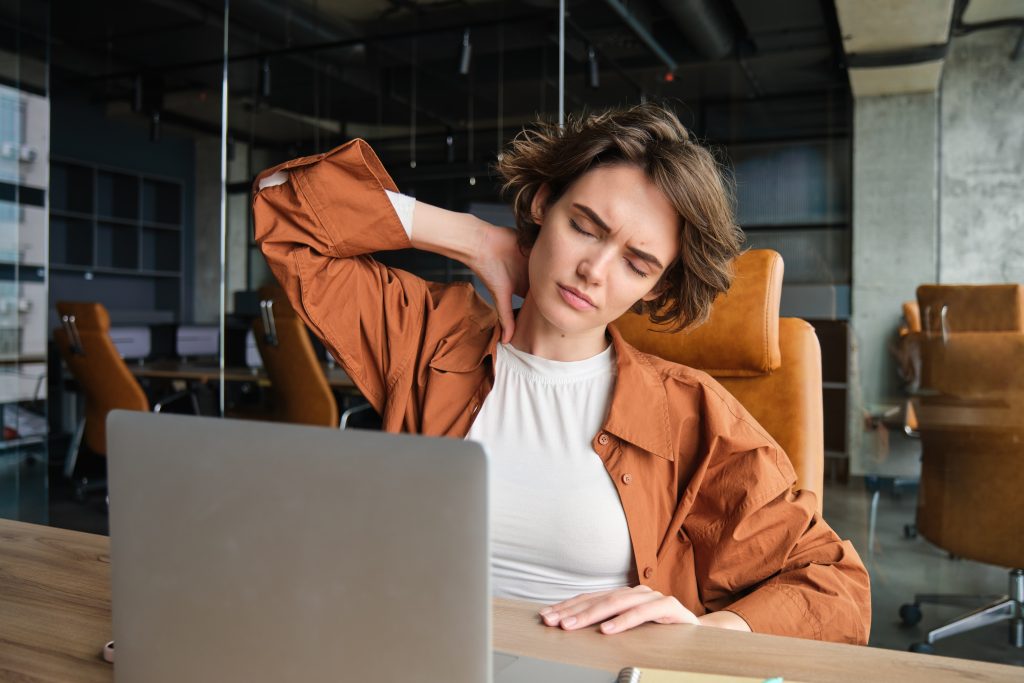
Stress has a direct impact on muscle tension throughout the body. When people experience anxiety or emotional stress, muscles naturally tighten, particularly around the neck, shoulders, and lower back.
Combined with prolonged sitting, stress increases muscle fatigue and makes pain feel more intense. Poor sleep associated with chronic stress also slows muscle recovery, increasing discomfort during the following day.
Managing stress through regular exercise, breathing techniques, adequate sleep, and relaxation exercises supports both mental health and spinal recovery.
How Is Back Pain After Sitting Too Long Diagnosed?
Diagnosing Back Pain After Sitting Too Long begins with a detailed discussion about your symptoms, lifestyle, work habits, and medical history. A healthcare professional will ask how long you usually sit each day, where the pain is located, whether it improves after walking, and if you experience numbness, tingling, or weakness in your legs.
A physical examination is performed to assess posture, spinal alignment, flexibility, muscle strength, and range of motion. The doctor or physiotherapist may ask you to bend, twist, or walk to identify movements that increase or reduce your pain.
If symptoms persist despite conservative treatment or if serious conditions are suspected, imaging tests such as X-rays, CT scans, or MRI scans may be recommended. These tests help identify herniated discs, arthritis, spinal degeneration, or other structural abnormalities that may be contributing to your discomfort.
Early diagnosis allows treatment to begin before the condition becomes chronic, improving the chances of a full recovery.
Effective Treatments for Back Pain After Sitting Too Long

The treatment for Back Pain After Sitting Too Long depends on its underlying cause, but most people respond well to conservative, non-surgical care. The first goal is to reduce pain and inflammation while restoring normal movement.
Physiotherapy plays a central role in recovery by improving posture, strengthening weak muscles, and increasing spinal flexibility. Manual therapy techniques help restore joint mobility, while targeted stretching reduces muscle tightness around the hips, hamstrings, and lower back.
In some cases, healthcare providers may recommend anti-inflammatory medications or muscle relaxants for short-term pain relief. However, medication should be combined with lifestyle modifications rather than used as the only treatment.
For individuals with severe spinal conditions such as herniated discs or nerve compression, specialized medical treatment or surgery may be necessary. Fortunately, most cases improve without surgical intervention when treated early.
Home Remedies That Can Reduce Pain
Many people can relieve discomfort at home with simple daily habits. Applying a warm compress to the lower back helps relax tight muscles and improves blood circulation. A warm shower in the morning or after work may also decrease stiffness caused by prolonged sitting.
Changing positions regularly is equally important. Instead of remaining seated for several hours, stand up every thirty to sixty minutes and walk around for a few minutes. These short movement breaks reduce pressure on the spine and improve muscle activity.
Hydration also contributes to spinal health because intervertebral discs require adequate water to maintain their cushioning function. Drinking enough water throughout the day supports healthy spinal tissues.
Maintaining a balanced diet rich in lean protein, fruits, vegetables, whole grains, calcium, and vitamin D supports muscle recovery and bone health while helping reduce inflammation.
Ergonomic Tips for Office Workers
Creating an ergonomic workstation is one of the most effective ways to prevent Back Pain After Sitting Too Long. Your chair should support the natural curve of your lower back while allowing your feet to rest flat on the floor.
Your computer monitor should be positioned at eye level to prevent leaning forward. The keyboard and mouse should be placed close enough to keep your elbows relaxed at approximately ninety degrees.
Avoid crossing your legs for long periods because this can affect pelvic alignment. If necessary, use a small lumbar support cushion to maintain proper posture throughout the workday.
Alternating between sitting and standing using a height-adjustable desk can also reduce spinal stress and improve overall comfort.
Exercises That Improve Spinal Health
Exercise is one of the most powerful long-term treatments for recurring back pain. Gentle stretching restores flexibility while strengthening exercises improve spinal support.
Pelvic tilts help activate the deep abdominal muscles that stabilize the lumbar spine. Cat-cow stretches improve mobility throughout the back and reduce stiffness after prolonged sitting. Bridges strengthen the gluteal muscles, reducing pressure on the lower back during standing and walking.
Bird-dog exercises improve balance and strengthen the muscles surrounding the spine. Walking for twenty to thirty minutes daily also promotes healthy circulation and reduces stiffness caused by inactivity.
Performing these exercises consistently under the supervision of a physiotherapist provides the safest and most effective results.
Lifestyle Changes That Prevent Future Pain
Preventing Back Pain After Sitting Too Long requires long-term commitment to healthy daily habits. Regular physical activity strengthens muscles and improves flexibility, reducing the risk of future pain episodes.
Maintaining a healthy body weight decreases stress on the spine and improves posture. Sleeping on a supportive mattress with proper spinal alignment also contributes to better recovery after a long day of sitting.
Avoid smoking because it reduces blood flow to spinal discs and slows tissue healing. Managing stress through relaxation techniques, meditation, or regular exercise can further decrease muscle tension and improve overall spinal health.
Small changes performed consistently often provide greater benefits than occasional intensive treatments.
When Should You See a Doctor?
Although mild pain usually improves with self-care, medical attention should be sought if symptoms persist for several weeks or become increasingly severe.
Seek immediate medical care if your pain is accompanied by significant leg weakness, loss of bladder or bowel control, numbness around the groin, unexplained fever, or sudden weight loss. These symptoms may indicate serious spinal or neurological conditions requiring urgent treatment.
Early intervention prevents complications and often shortens recovery time.
Frequently Asked Questions
Many people wonder whether sitting itself is harmful. Sitting is not dangerous when balanced with regular movement, but remaining in the same position for many hours places continuous pressure on the spine and muscles.
Another common question is whether standing desks completely eliminate back pain. Standing desks can reduce prolonged sitting, but alternating between sitting, standing, and walking provides the greatest benefit.
People also ask how often they should take movement breaks. Most physiotherapists recommend standing, stretching, or walking for a few minutes every thirty to sixty minutes during the workday.
Finally, many individuals ask whether exercise can worsen the condition. Gentle stretching and strengthening exercises usually improve recovery, but severe pain should always be evaluated by a healthcare professional before beginning an exercise program.
Conclusion
Back Pain After Sitting Too Long is a common problem affecting office workers, students, drivers, and anyone who spends extended periods sitting. Poor posture, weak core muscles, tight hip flexors, spinal disc pressure, and inactivity are among the most common causes. Fortunately, the condition can often be treated successfully through physiotherapy, regular exercise, ergonomic improvements, healthy lifestyle habits, and consistent movement throughout the day.
Ignoring recurring back pain may allow the problem to become chronic, making treatment more difficult in the future. Paying attention to posture, taking regular walking breaks, strengthening your core, and maintaining flexibility are simple yet highly effective ways to protect your spine.
If Back Pain After Sitting Too Long continues despite home care or is accompanied by severe neurological symptoms, consult a qualified healthcare professional as soon as possible. Early diagnosis and appropriate treatment can restore mobility, reduce pain, and help you enjoy a healthier, more active lifestyle.