
Lower Back Pain When Bending: 9 Powerful Causes, Fast Relief & Proven Treatments
Lower back discomfort is one of the most common musculoskeletal complaints worldwide, affecting people of all ages and lifestyles. Among the different types of back pain, Lower Back Pain When Bending is especially frustrating because simple daily activities such as tying your shoes, lifting groceries, picking up a child, or reaching for an object become painful and difficult. While occasional discomfort may result from temporary muscle strain, persistent pain can indicate an underlying spinal condition that requires proper evaluation and treatment.
Many individuals ignore the symptoms, believing the pain will disappear on its own. However, recurring Lower Back Pain When Bending may worsen over time if the root cause is not addressed. Understanding why this pain occurs, recognizing the warning signs, and learning the most effective treatment options can help you recover faster and prevent future episodes.
What Is Lower Back Pain When Bending?

Lower Back Pain When Bending refers to discomfort or pain that occurs while bending forward, bending sideways, or returning to a standing position. The pain may be mild, moderate, or severe depending on the underlying cause. Some people experience a dull ache, while others notice a sharp or stabbing pain that limits movement.
The lower back, also known as the lumbar spine, supports most of the body’s weight and plays an essential role in movement. Every time you bend, the muscles, ligaments, spinal discs, joints, and nerves work together to provide flexibility and stability. If any of these structures become injured or inflamed, bending can become painful.
In many cases, the pain improves with rest and proper care. However, persistent symptoms should never be ignored because they may indicate a more serious spinal condition.
Why Does Lower Back Pain When Bending Occur?

There are many possible causes of Lower Back Pain When Bending, ranging from simple muscle strains to spinal disorders. Identifying the exact cause is essential because treatment varies depending on the underlying condition.
One common reason is excessive stress placed on the lumbar muscles during lifting, twisting, or repetitive movements. Poor posture and prolonged sitting also weaken the muscles supporting the spine, making injuries more likely.
Another factor involves spinal discs. These soft cushions between the vertebrae absorb shock during movement. Repeated bending or improper lifting techniques can increase pressure on the discs, sometimes leading to bulging or herniation.
Age-related degeneration, arthritis, obesity, and lack of physical activity further increase the risk of developing bending-related lower back pain.
Muscle Strain Is the Most Common Cause

The most frequent cause of Lower Back Pain When Bending is muscle strain. Overstretching or tearing the muscles and ligaments supporting the spine can occur during heavy lifting, sudden twisting, sports activities, or repetitive bending motions.
Muscle strain usually causes localized pain, tenderness, and stiffness. The discomfort often becomes worse when bending forward, standing after sitting, or lifting objects from the floor.
Fortunately, mild muscle strains usually improve within a few weeks through rest, physiotherapy, gentle stretching, and gradual return to activity.
Herniated Disc and Nerve Compression

A herniated disc develops when the soft center of a spinal disc pushes through its outer layer. This condition commonly affects the lumbar spine and may produce severe Lower Back Pain When Bending, particularly during forward bending movements.
If the herniated disc presses on a nearby nerve root, additional symptoms may develop. These include pain radiating into the buttocks or legs, numbness, tingling, and muscle weakness. Many people also experience sciatica, where pain travels from the lower back down one leg.
Early diagnosis and appropriate physiotherapy significantly improve recovery while reducing the risk of long-term complications.
Poor Posture and Weak Core Muscles

Modern lifestyles often involve prolonged sitting at desks, driving, or using computers. Poor posture gradually places extra stress on the lumbar spine and weakens the muscles responsible for supporting it.
Weak abdominal muscles force the lower back to work harder during movement, increasing the likelihood of Lower Back Pain When Bending. Slouching while sitting or lifting heavy objects incorrectly further increases spinal strain.
Improving posture and strengthening the core muscles are among the most effective long-term strategies for reducing recurring back pain.
Arthritis and Degenerative Changes
As people age, natural wear and tear affect the spinal joints and discs. Osteoarthritis gradually damages joint cartilage, reducing flexibility and causing pain during movement.
Degenerative disc disease also contributes to stiffness and discomfort, particularly during bending activities. These age-related conditions often develop slowly but become more noticeable over time.
Although degeneration cannot be completely reversed, maintaining an active lifestyle, controlling body weight, and following a structured physiotherapy program help manage symptoms effectively.
Common Symptoms Associated with Lower Back Pain When Bending

The symptoms vary depending on the underlying cause and severity of the condition. Some individuals experience only mild discomfort, while others find it difficult to perform normal daily activities.
Pain may occur immediately while bending or appear after returning to a standing position. Muscle stiffness is common, especially after prolonged sitting or sleeping. Some people notice reduced flexibility and difficulty reaching toward the floor.
If nerves become irritated, pain may radiate into the hips, buttocks, or legs along with numbness, tingling, or weakness. Persistent neurological symptoms require immediate medical evaluation.
Ignoring symptoms for prolonged periods may increase the risk of chronic pain and reduced spinal mobility.
Risk Factors That Increase the Chance of Lower Back Pain When Bending
Several factors make people more likely to develop this condition. Individuals who frequently lift heavy objects at work or perform repetitive bending movements face a higher risk.
Office workers who spend many hours sitting often develop weak core muscles and tight hip flexors, increasing stress on the lumbar spine. Obesity also places additional pressure on the lower back, while smoking reduces blood flow to spinal discs and slows tissue healing.
Poor physical fitness, advancing age, previous back injuries, and incorrect lifting techniques all contribute to the development of lower back pain.
How Physiotherapy Helps Treat Lower Back Pain When Bending

Physiotherapy is considered one of the most effective non-surgical treatments for Lower Back Pain When Bending because it focuses on correcting the underlying cause rather than simply reducing pain.
A physiotherapist begins with a detailed assessment of posture, spinal movement, muscle strength, flexibility, and daily activity patterns. Based on the findings, a personalized rehabilitation program is developed.
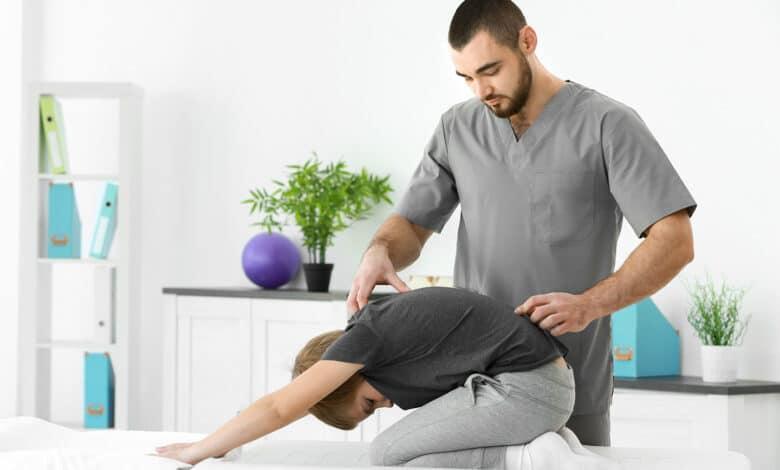
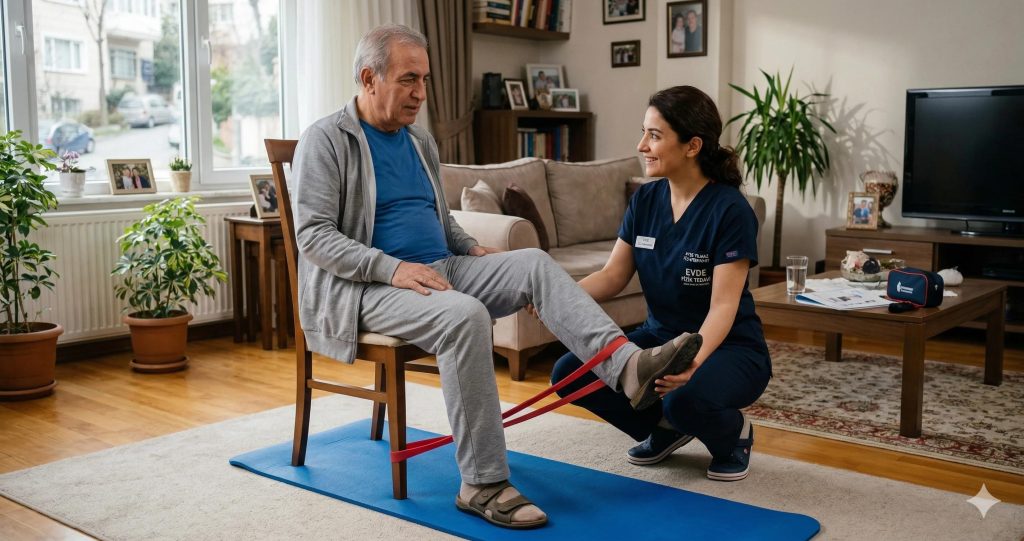
Treatment may include manual therapy to improve joint mobility, soft tissue techniques to reduce muscle tightness, stretching exercises to restore flexibility, and strengthening exercises that stabilize the spine.
Patients are also educated about proper lifting techniques, workplace ergonomics, and safe movement patterns to prevent future injuries.
Can Stress Make Lower Back Pain Worse?
Stress affects both mental and physical health. During periods of emotional stress, muscles naturally tighten, especially around the neck, shoulders, and lower back.
This increased muscle tension reduces flexibility and may make Lower Back Pain When Bending feel more severe. Poor sleep quality associated with stress also slows muscle recovery, contributing to ongoing discomfort.
Managing stress through regular exercise, deep breathing, quality sleep, and relaxation techniques supports overall recovery while improving spinal health.
Lower Back Pain When Bending Diagnosis

Diagnosing Lower Back Pain When Bending begins with a detailed medical history and physical examination. A healthcare professional will ask when the pain started, whether it occurs every time you bend, how long it lasts, and whether it spreads into the hips or legs. Information about your occupation, exercise habits, previous injuries, and daily activities also helps identify the underlying cause.
During the physical examination, your doctor or physiotherapist will assess posture, spinal alignment, flexibility, muscle strength, reflexes, and range of motion. You may be asked to bend forward, backward, and sideways to determine which movements increase discomfort.
If the pain is severe, persists for several weeks, or is accompanied by numbness or weakness, imaging tests such as X-rays, CT scans, or MRI scans may be recommended. These tests help identify herniated discs, arthritis, fractures, spinal stenosis, or other structural abnormalities. An accurate diagnosis ensures the most effective treatment plan.
Effective Treatments for Lower Back Pain When Bending
The treatment for Lower Back Pain When Bending depends on its cause, severity, and duration. Most people recover successfully through conservative treatment without surgery.
Physiotherapy is one of the most effective approaches because it improves spinal mobility, strengthens supporting muscles, and corrects movement patterns that contribute to pain. Manual therapy can reduce joint stiffness, while stretching exercises improve flexibility and relieve muscle tightness.
Doctors may recommend anti-inflammatory medications or muscle relaxants for short-term pain relief if discomfort is significant. However, medication should be used alongside rehabilitation rather than replacing physical therapy.
In rare cases involving severe nerve compression, spinal instability, or large herniated discs, surgical treatment may be necessary. Fortunately, early treatment often prevents the need for surgery.
Home Remedies That Help Relieve Pain
Several home remedies can help reduce Lower Back Pain When Bending and support recovery. Applying a warm compress to the affected area relaxes tight muscles and improves blood circulation. During the first forty-eight hours after an injury, cold therapy may help reduce inflammation and swelling.
Gentle walking encourages blood flow and prevents stiffness without placing excessive stress on the spine. Avoid complete bed rest because prolonged inactivity can weaken muscles and delay healing.
Maintaining proper hydration supports healthy spinal discs, while a balanced diet rich in calcium, vitamin D, magnesium, and protein promotes strong bones and muscle recovery.
Sleeping on a supportive mattress and maintaining good posture during daily activities also reduce unnecessary pressure on the lumbar spine.
Best Exercises for Lower Back Pain When Bending
Exercise is one of the most effective long-term treatments for Lower Back Pain When Bending because it improves flexibility, strength, and spinal stability.
Pelvic tilts activate the deep abdominal muscles that support the lower back. Knee-to-chest stretches gently reduce muscle tightness and improve flexibility in the lumbar region. Cat-cow movements increase spinal mobility and decrease stiffness.
Bridges strengthen the gluteal muscles, reducing stress on the lower back during bending and lifting. Bird-dog exercises improve balance, coordination, and spinal stability by strengthening the core muscles.
Walking for twenty to thirty minutes daily also improves circulation, supports healthy movement, and reduces stiffness associated with prolonged sitting.
Exercises should be performed correctly and consistently. If pain increases during exercise, consult a physiotherapist for guidance.
Lifestyle Changes That Prevent Future Pain
Preventing Lower Back Pain When Bending requires consistent attention to posture, movement, and overall spinal health. Maintaining good posture while sitting, standing, and lifting significantly reduces unnecessary stress on the lower back.
Avoid lifting heavy objects by bending at the waist. Instead, bend your knees, keep the object close to your body, and lift using your legs. This technique protects the lumbar spine from excessive strain.
Regular physical activity keeps muscles strong and flexible while reducing stiffness. Maintaining a healthy body weight also decreases pressure on the spinal joints and discs.
If you work at a desk, take short walking or stretching breaks every thirty to sixty minutes. Small changes performed consistently often prevent chronic back pain from developing.
When Should You See a Doctor?
Although many cases improve with home care, medical evaluation becomes necessary if pain continues for more than a few weeks or interferes with normal daily activities.
Seek immediate medical attention if the pain is accompanied by severe leg weakness, numbness around the groin, loss of bladder or bowel control, unexplained fever, or sudden weight loss. These symptoms may indicate serious spinal conditions requiring urgent treatment.
Early diagnosis allows treatment to begin before complications develop and improves long-term recovery.
Frequently Asked Questions About Lower Back Pain When Bending
Many people wonder whether bending itself causes permanent damage. In most cases, bending is a normal movement, but improper lifting techniques or existing spinal problems can make bending painful.
Another common question is whether rest is better than exercise. Short periods of rest may reduce severe pain after an injury, but prolonged inactivity usually delays recovery. Gentle movement and physiotherapy generally provide better long-term outcomes.
People also ask whether posture really matters. The answer is yes. Proper posture reduces pressure on the spine, improves muscle balance, and lowers the risk of recurring back pain.
Finally, many individuals ask whether physiotherapy is effective. Research consistently shows that personalized physiotherapy programs improve mobility, strengthen supporting muscles, reduce pain, and decrease the likelihood of future injuries.
Conclusion
Lower Back Pain When Bending is a common condition that can affect anyone, from office workers and athletes to older adults. Muscle strains, poor posture, weak core muscles, herniated discs, arthritis, and improper lifting techniques are among the most frequent causes.
Fortunately, most cases respond well to conservative treatment, including physiotherapy, stretching exercises, strengthening programs, ergonomic improvements, healthy lifestyle habits, and proper movement techniques. Paying attention to posture, staying physically active, and addressing symptoms early can significantly reduce the risk of chronic pain.
If Lower Back Pain When Bending persists despite home treatment or is accompanied by numbness, weakness, or bladder and bowel changes, seek medical attention promptly. Early diagnosis and professional care can restore mobility, relieve pain, and help you return to normal daily activities with confidence.