

Chronic Lower Back Pain Relief: 9 Powerful Treatments That Really Work
Chronic lower back pain is one of the leading causes of disability worldwide, affecting millions of people every year. Unlike short-term back pain that usually improves within a few weeks, chronic pain continues for three months or longer and can significantly interfere with daily life. It can make simple activities such as walking, sitting, sleeping, exercising, or even standing for a short period extremely difficult. Finding effective Chronic Lower Back Pain Relief is essential not only for reducing pain but also for improving mobility, independence, and overall quality of life.
Many people believe that chronic back pain is simply a part of aging, but this is not always true. Persistent pain often develops because of untreated injuries, poor posture, muscle weakness, spinal degeneration, or underlying medical conditions. The good news is that most people can achieve significant Chronic Lower Back Pain Relief through proper physiotherapy, regular exercise, healthy lifestyle changes, and early medical care. Understanding the causes and available treatments allows individuals to take control of their recovery and prevent further spinal damage.
What Is Chronic Lower Back Pain Relief?
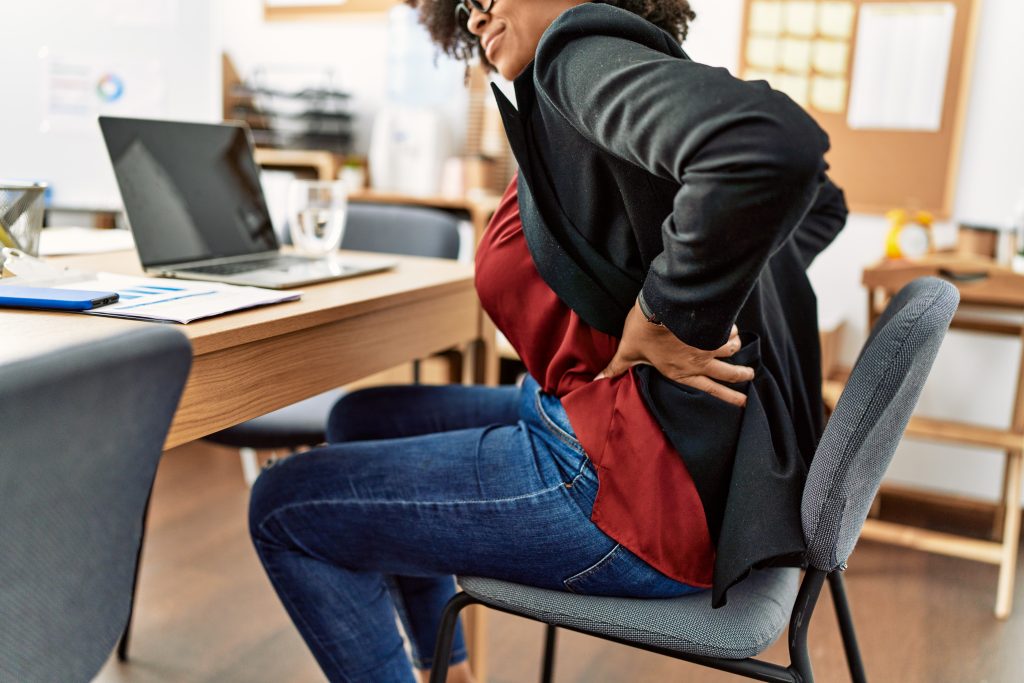
Chronic Lower Back Pain Relief refers to treatments, therapies, and lifestyle changes designed to reduce long-lasting pain in the lumbar spine. Chronic lower back pain generally lasts for more than twelve weeks, even after the original injury has healed. Unlike acute pain, chronic pain may continue because of ongoing inflammation, nerve irritation, spinal degeneration, or muscle imbalance.
The lower back supports most of the body’s weight while allowing movement in every direction. Because it experiences constant stress during walking, lifting, sitting, and bending, it is particularly vulnerable to injury. When pain becomes chronic, it often affects both physical and emotional well-being, making early treatment extremely important.
Effective pain relief does not focus only on reducing discomfort. It also aims to improve flexibility, strengthen supporting muscles, restore normal movement, and prevent future episodes.
Common Causes of Chronic Lower Back Pain

There are many possible reasons why people require Chronic Lower Back Pain Relief. Identifying the exact cause allows healthcare professionals to recommend the most appropriate treatment plan.
One of the most common causes is muscle weakness resulting from prolonged inactivity. Weak abdominal and back muscles provide less support for the spine, increasing stress on the lumbar region.
Degenerative disc disease is another frequent cause. As people age, spinal discs gradually lose water content and flexibility, reducing their ability to absorb shock. This natural aging process often contributes to ongoing lower back pain.
Poor posture also plays a major role. Sitting for long hours, slouching while using electronic devices, or lifting heavy objects incorrectly places repeated stress on the spine. Over time, these habits may lead to chronic pain.
Other possible causes include spinal arthritis, herniated discs, spinal stenosis, scoliosis, osteoporosis, previous injuries, obesity, and repetitive physical work.
Muscle Weakness and Poor Core Stability

Weak core muscles are among the leading contributors to chronic back pain. The abdominal muscles, lower back muscles, and pelvic muscles work together to stabilize the spine during movement.
When these muscles become weak due to inactivity or lack of exercise, the lower back compensates by carrying additional stress. This increased workload often leads to fatigue, stiffness, and persistent discomfort.
Improving core strength is one of the most effective strategies for achieving Chronic Lower Back Pain Relief. Physiotherapists commonly prescribe strengthening exercises because they reduce pressure on the spinal joints while improving posture and balance.
Herniated Discs and Degenerative Conditions
A herniated disc develops when the soft inner portion of a spinal disc pushes through its outer layer. This condition may compress nearby nerves, causing pain that extends from the lower back into the hips or legs.
Degenerative disc disease and spinal arthritis often develop gradually with age. These conditions reduce joint flexibility and increase inflammation, making everyday movements uncomfortable.
People with these conditions frequently require ongoing Chronic Lower Back Pain Relief through physiotherapy, exercise programs, medication, and healthy lifestyle changes rather than relying solely on temporary pain relief.
Symptoms That Often Accompany Chronic Lower Back Pain
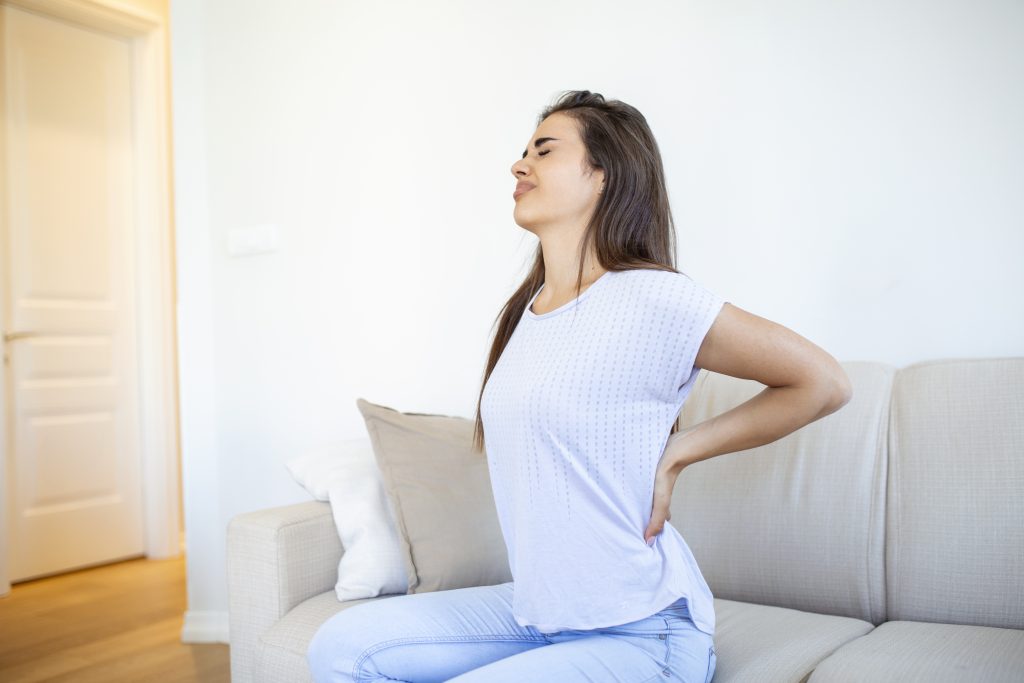
Chronic lower back pain presents differently from person to person. Some individuals experience a constant dull ache, while others develop sharp pain during movement or prolonged sitting.
Morning stiffness is common and usually improves after gentle movement. Many people also notice reduced flexibility, difficulty bending forward, and muscle tightness around the hips and lower back.
Pain may spread into the buttocks or legs if spinal nerves become irritated. Tingling, numbness, or weakness in the legs should never be ignored because these symptoms may indicate nerve compression requiring medical attention.
Fatigue is another overlooked symptom. Living with persistent pain often reduces sleep quality, making everyday activities more exhausting and affecting mental health.
Risk Factors That Increase Chronic Lower Back Pain
Several lifestyle and health factors increase the likelihood of developing chronic lower back pain. Age naturally contributes because spinal discs and joints gradually wear down over time.
People who spend many hours sitting at desks or driving often develop weak core muscles and poor posture, increasing stress on the lumbar spine. Obesity also increases pressure on spinal structures, accelerating degeneration.
Smoking reduces blood flow to spinal tissues, slowing healing and increasing disc degeneration. Physical inactivity further weakens muscles that support the spine, making injuries more likely.
Jobs requiring repetitive lifting, bending, twisting, or heavy manual labor also increase the risk of chronic lower back problems.
The Role of Physiotherapy in Chronic Lower Back Pain Relief
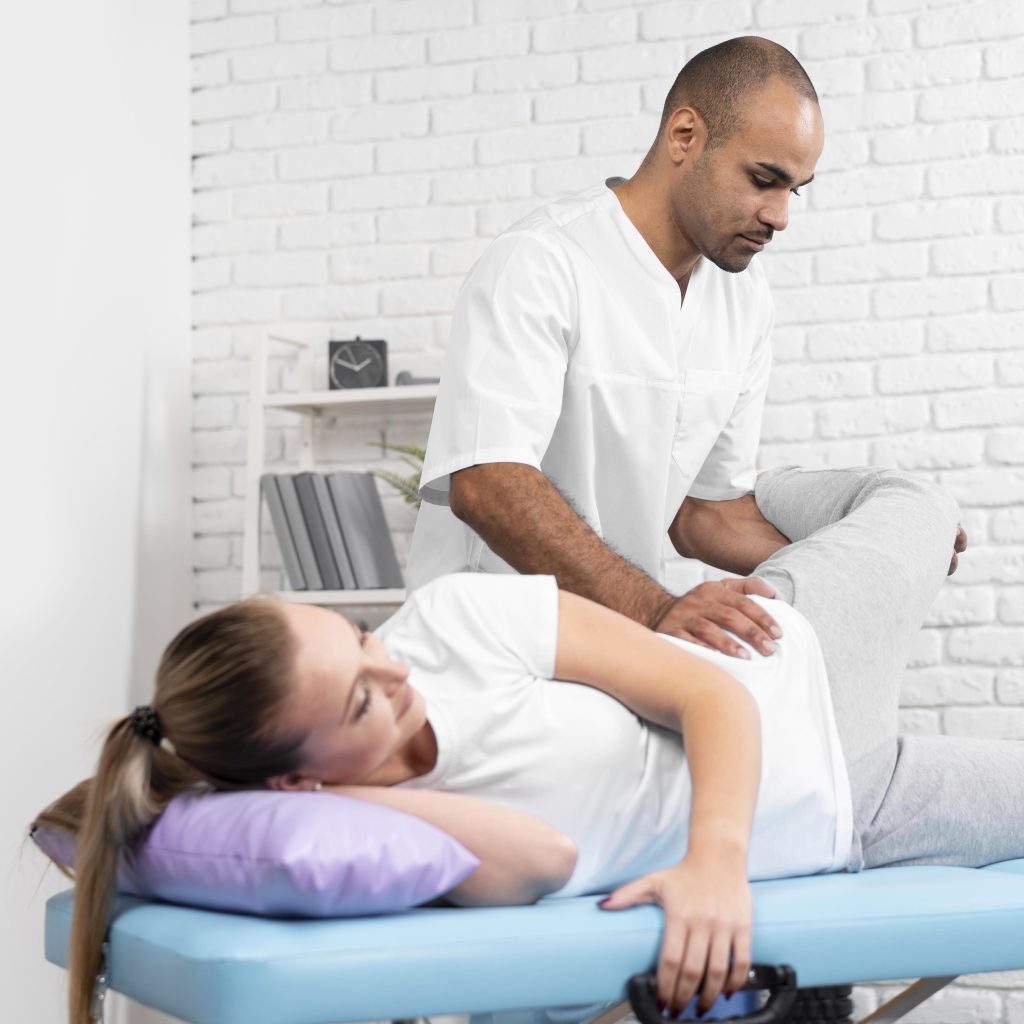
Physiotherapy is considered one of the most effective non-surgical treatments for Chronic Lower Back Pain Relief because it addresses the root causes instead of simply masking symptoms.
A physiotherapist begins with a comprehensive assessment of posture, movement patterns, muscle strength, flexibility, spinal mobility, and daily activity habits. This evaluation helps create an individualized rehabilitation program.
Treatment often includes manual therapy to improve joint movement, soft tissue techniques to reduce muscle tightness, stretching exercises that restore flexibility, and strengthening exercises targeting the core muscles.
Patients also receive education about proper posture, workplace ergonomics, lifting techniques, and daily movement habits that reduce spinal stress.
Unlike medication, physiotherapy provides long-term improvements by restoring normal movement and preventing future episodes of pain.
Can Stress Make Chronic Lower Back Pain Worse?
Stress has a significant effect on chronic pain. Emotional stress increases muscle tension throughout the body, especially in the neck, shoulders, and lower back.
People living with long-term pain often experience anxiety, depression, or poor sleep quality, creating a cycle where stress increases pain and pain increases stress.
Relaxation techniques, breathing exercises, mindfulness, regular physical activity, and sufficient sleep all contribute to better pain management while supporting overall recovery.
Managing both physical and emotional health is an important part of successful long-term treatment.
Chronic Lower Back Pain Relief Diagnosis
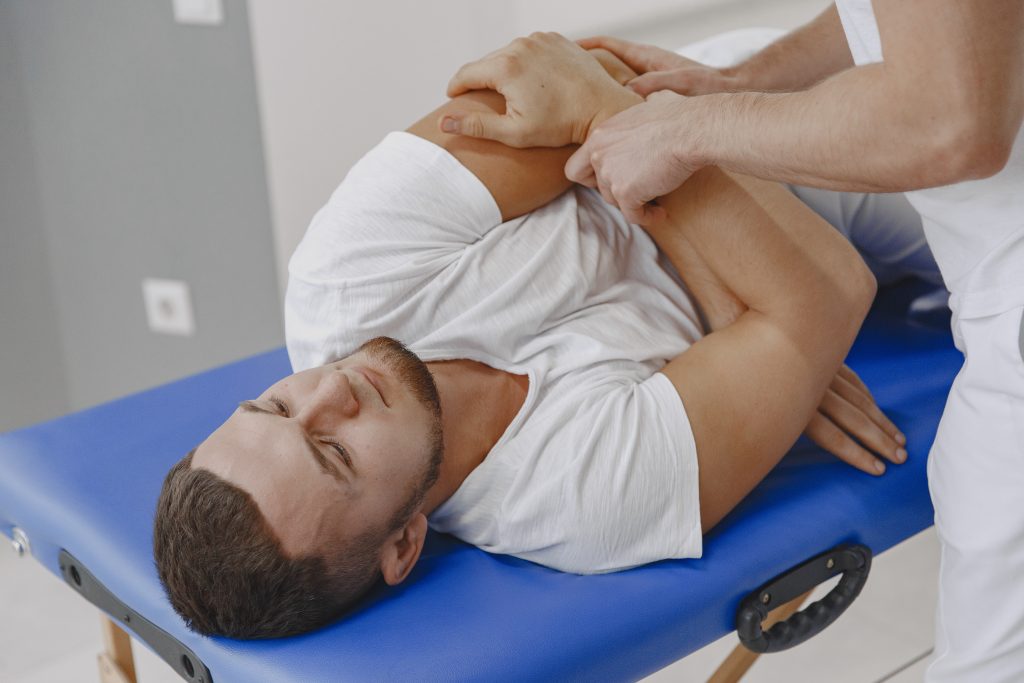
Diagnosing chronic lower back pain begins with understanding the exact cause of the symptoms. A doctor or physiotherapist will ask when the pain started, how long it has lasted, what activities make it worse, and whether the discomfort spreads into the hips or legs. This information helps determine the most appropriate approach for Chronic Lower Back Pain Relief.
During the physical examination, the healthcare provider evaluates posture, spinal alignment, muscle strength, flexibility, range of motion, and reflexes. You may be asked to bend, walk, sit, or lift your legs so the provider can identify movements that increase or reduce pain.
If symptoms persist despite conservative treatment or if nerve compression is suspected, imaging tests such as X-rays, MRI scans, or CT scans may be recommended. Blood tests may also be ordered if inflammatory diseases or infections are suspected. An accurate diagnosis ensures that treatment targets the underlying problem rather than simply masking pain.
Medical Treatments for Chronic Lower Back Pain Relief

The treatment plan depends on the severity of the condition and its underlying cause. Most individuals achieve significant improvement without surgery through a combination of physiotherapy, exercise, medication, and lifestyle changes.
For many patients, Chronic Lower Back Pain Relief begins with physiotherapy because it improves movement, strengthens weak muscles, and restores normal spinal function. Manual therapy, stretching, and targeted strengthening exercises reduce pain while improving flexibility.
Doctors may prescribe anti-inflammatory medications or muscle relaxants for temporary symptom control. In selected cases, corticosteroid injections may reduce inflammation around irritated nerves. These treatments are generally used alongside rehabilitation rather than replacing exercise.
Surgery is usually considered only when conservative treatments fail or when severe nerve compression causes weakness, loss of bladder control, or significant neurological symptoms.
Home Remedies That Support Recovery
Several home remedies can help improve Chronic Lower Back Pain Relief while supporting long-term spinal health. Applying heat to the lower back relaxes tight muscles and improves blood circulation. Warm showers or heating pads are particularly helpful before stretching exercises.
Maintaining gentle daily movement is equally important. Short walks improve circulation and prevent stiffness without placing excessive stress on the spine. Remaining inactive for long periods often worsens chronic pain because muscles become weaker and joints become stiffer.
Proper hydration supports healthy spinal discs, while a nutritious diet rich in calcium, vitamin D, magnesium, lean protein, fruits, and vegetables helps strengthen bones and muscles. Maintaining a healthy body weight also reduces pressure on the lumbar spine.
Quality sleep is another important part of recovery. Sleeping on a supportive mattress while maintaining proper spinal alignment allows the body to recover more effectively overnight.
Best Exercises for Chronic Lower Back Pain Relief
Regular exercise is one of the most successful long-term treatments for Chronic Lower Back Pain Relief because it improves flexibility, posture, and muscular support.
Pelvic tilts strengthen the deep abdominal muscles that stabilize the lower back. Cat-cow stretches increase spinal flexibility and reduce stiffness. Knee-to-chest stretches gently relax tight lumbar muscles and improve mobility.
Bridge exercises strengthen the gluteal muscles, reducing pressure on the lumbar spine during standing and walking. Bird-dog exercises improve balance while strengthening the muscles surrounding the spine.
Walking, swimming, and cycling are excellent low-impact activities that improve cardiovascular fitness while protecting the joints. Consistency is far more important than intensity, and exercises should always be performed with proper technique.
Lifestyle Changes That Prevent Chronic Lower Back Pain
Preventing future episodes requires long-term improvements in daily habits. Maintaining good posture while sitting, standing, and lifting reduces unnecessary stress on the lumbar spine. Ergonomic workstations help office workers avoid prolonged poor posture.
Regular physical activity keeps muscles strong and flexible, reducing the risk of future injuries. Taking movement breaks every thirty to sixty minutes prevents stiffness caused by prolonged sitting.
Avoid smoking because it decreases blood flow to spinal discs and slows healing. Managing stress through meditation, breathing exercises, and regular physical activity also helps reduce muscle tension that contributes to chronic pain.
Small healthy habits practiced consistently often provide greater long-term benefits than relying only on medication.
When Should You See a Doctor?
Although many people improve with conservative treatment, professional medical evaluation is essential if pain continues for more than three months or significantly limits daily activities.
Immediate medical attention should be sought if chronic back pain is accompanied by severe leg weakness, numbness around the groin, loss of bladder or bowel control, unexplained fever, or sudden weight loss. These symptoms may indicate serious spinal conditions requiring urgent treatment.
Early diagnosis improves recovery and reduces the risk of permanent nerve damage or chronic disability.
Frequently Asked Questions About Chronic Lower Back Pain Relief
Many people ask whether chronic lower back pain can be completely cured. The answer depends on the underlying cause. While some conditions cannot be fully reversed, most people can successfully manage symptoms and maintain an active lifestyle with appropriate treatment.
Another common question is whether exercise is safe during chronic pain. In most cases, gentle strengthening and stretching exercises improve recovery when performed correctly under professional guidance.
People also wonder if surgery is always necessary. Fortunately, surgery is required in only a small percentage of cases. Most patients improve through physiotherapy, exercise, posture correction, and healthy lifestyle habits.
Many individuals also ask how long recovery takes. Improvement varies depending on the underlying condition, but consistent treatment and daily exercise often produce noticeable progress within several weeks or months.
Conclusion
Chronic Lower Back Pain Relief is possible for most individuals through a combination of early diagnosis, physiotherapy, regular exercise, posture correction, and healthy daily habits. Chronic pain should never be accepted as a normal part of life because effective treatments are available for many underlying causes.
Muscle weakness, spinal degeneration, herniated discs, arthritis, poor posture, and inactivity are among the most common reasons for persistent lower back pain. Addressing these problems through personalized rehabilitation and lifestyle improvements provides lasting results.
If Chronic Lower Back Pain Relief cannot be achieved through home care or if symptoms worsen over time, seek evaluation from a qualified healthcare professional. Early intervention reduces complications, improves mobility, and helps you return to everyday activities with greater comfort, confidence, and a healthier spine.