Back Pain After Pregnancy: 9 Common Causes, Symptoms & Proven Treatments
Introduction
Back Pain After Pregnancy is one of the most common health concerns experienced by new mothers. While welcoming a baby is an exciting and life-changing moment, many women are surprised to find that back pain continues even after childbirth. In some cases, the discomfort is mild and disappears within a few weeks, while in others it may last for several months and affect daily activities such as walking, feeding the baby, lifting, or even sleeping.
During pregnancy, a woman’s body goes through significant physical and hormonal changes. The growing baby places extra pressure on the spine, muscles, and pelvic joints. Hormones such as relaxin loosen the ligaments to prepare the body for delivery, but they also reduce the stability of the lower back. After childbirth, the body needs time to recover, and many women experience muscle weakness, poor posture, and fatigue, all of which contribute to persistent back pain.
Understanding the real causes of postpartum back pain is the first step toward recovery. In many cases, simple lifestyle changes, proper posture, regular stretching, and physiotherapy can significantly improve symptoms. However, severe or persistent pain should never be ignored, as it may indicate an underlying medical condition that requires professional evaluation.
This comprehensive guide explains everything you need to know about Back Pain After Pregnancy, including its causes, symptoms, treatment options, recovery timeline, and ways to prevent future discomfort.
What Is Back Pain After Pregnancy?
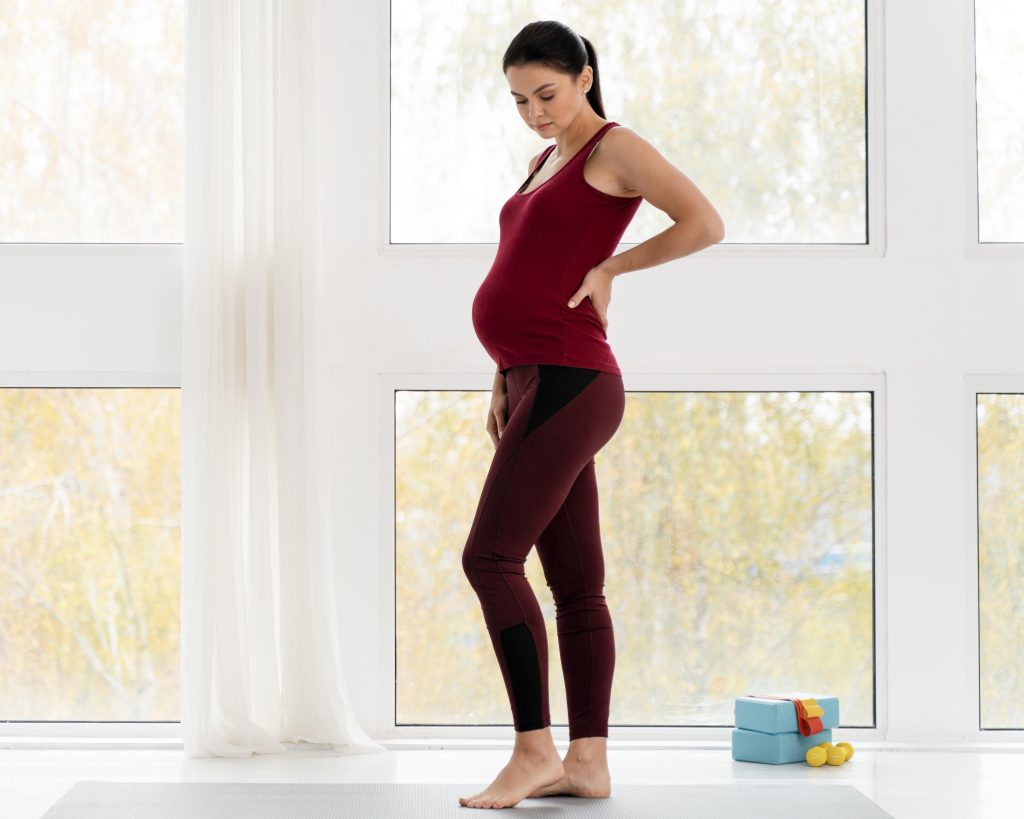
Back Pain After Pregnancy refers to pain or discomfort that develops or continues after giving birth. The pain usually affects the lower back, although some women also experience pain in the middle or upper back. It can range from a dull ache to sharp, stabbing pain and may become worse while standing, bending, carrying the baby, or sitting for long periods.
For many mothers, postpartum back pain is a normal part of recovery because the body is gradually returning to its pre-pregnancy condition. The muscles, joints, and ligaments that supported the growing baby need time to heal and regain their strength.
Every woman’s recovery journey is different. Some recover within a few weeks, while others may experience ongoing discomfort for several months. Factors such as physical fitness, body weight, delivery method, and daily activities all influence the healing process.
Why Does Back Pain Continue After Pregnancy?
Many women assume that back pain will disappear immediately after delivery. However, the body does not instantly return to normal once the baby is born.
Pregnancy changes posture, shifts the body’s center of gravity, stretches abdominal muscles, and weakens the core. These changes remain even after childbirth and require time to recover. New mothers also spend many hours breastfeeding, lifting the baby, changing diapers, and sleeping in uncomfortable positions. These daily activities can place continuous strain on the back and slow down healing.
As the body gradually regains strength, the pain usually becomes less noticeable. Proper care during the postpartum period plays an important role in speeding up recovery.
Hormonal Changes That Affect the Spine

One of the biggest reasons for postpartum back pain is hormonal change. During pregnancy, the body produces relaxin, progesterone, and estrogen in higher amounts. Relaxin helps loosen the joints and ligaments to prepare for childbirth.
Although hormone levels begin to decrease after delivery, the effects of relaxin may continue for several weeks or even months. Because the ligaments remain loose, the spine and pelvis are less stable, making the lower back more vulnerable to strain and injury.
This temporary instability explains why many women continue experiencing Back Pain After Pregnancy even after the baby is born.
Weak Core Muscles and Abdominal Separation
The abdominal muscles stretch significantly during pregnancy to make room for the growing baby. In some women, these muscles separate, a condition known as diastasis recti.
Weak abdominal muscles reduce the body’s ability to support the spine properly. As a result, the back muscles have to work much harder during everyday activities.
Simple movements like standing up, carrying the baby, climbing stairs, or getting out of bed may place additional stress on the lower back. Strengthening the core gradually under professional guidance is one of the most effective ways to improve stability and reduce discomfort.
Poor Posture While Caring for Your Baby

Caring for a newborn requires repetitive movements throughout the day. Mothers often bend forward while breastfeeding, lifting the baby, bathing the baby, or placing the baby into a crib.
Unfortunately, these repeated positions often involve rounding the shoulders and bending the spine. Over time, poor posture increases pressure on the muscles and joints, leading to muscle fatigue and stiffness.
Many women notice that their pain becomes worse at the end of the day because their muscles have been under continuous strain for several hours.
Maintaining proper posture and using supportive pillows during feeding can greatly reduce unnecessary pressure on the back.
Muscle Fatigue and Physical Exhaustion
The postpartum period is physically demanding. Lack of sleep, frequent nighttime feeding, emotional stress, and continuous baby care leave very little time for rest.
When muscles do not receive adequate recovery, they become tight, weak, and easily fatigued. This muscle exhaustion often contributes to persistent Back Pain After Pregnancy, especially in the lower back and pelvic region.
Physical fatigue also affects posture and movement patterns. As mothers become tired, they are more likely to bend incorrectly or lift the baby without engaging their core muscles, increasing the risk of further strain.
Weight Changes and Extra Pressure on the Spine
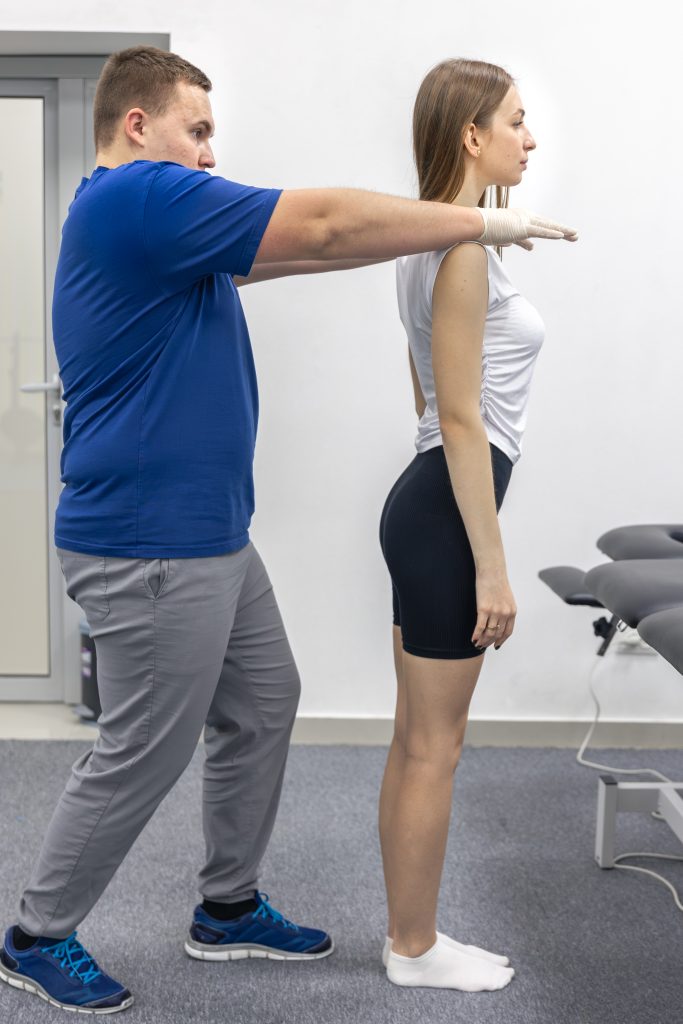
Although the baby is delivered, many women continue carrying extra body weight during the postpartum period. This additional weight increases pressure on the spine, hips, knees, and lower back.
Combined with weakened muscles and loose ligaments, extra body weight may delay recovery and prolong discomfort.
Gradual weight loss through healthy eating, light physical activity, and regular walking can reduce stress on the spine and improve overall mobility.
Crash dieting is not recommended, especially for breastfeeding mothers, because proper nutrition is essential for healing and milk production.
Recovery After Cesarean Section
Women who deliver through a cesarean section often experience additional challenges during recovery. Surgical healing limits movement during the first few weeks, leading to muscle weakness and reduced physical activity.
Because the abdominal muscles are affected during surgery, the core becomes weaker, forcing the back muscles to compensate.
Simple activities such as standing, sitting, walking, or lifting the baby may become uncomfortable during early recovery.
With medical clearance, gentle rehabilitation exercises and physiotherapy can help restore strength safely and reduce pain over time.
When Is Back Pain Considered Normal?
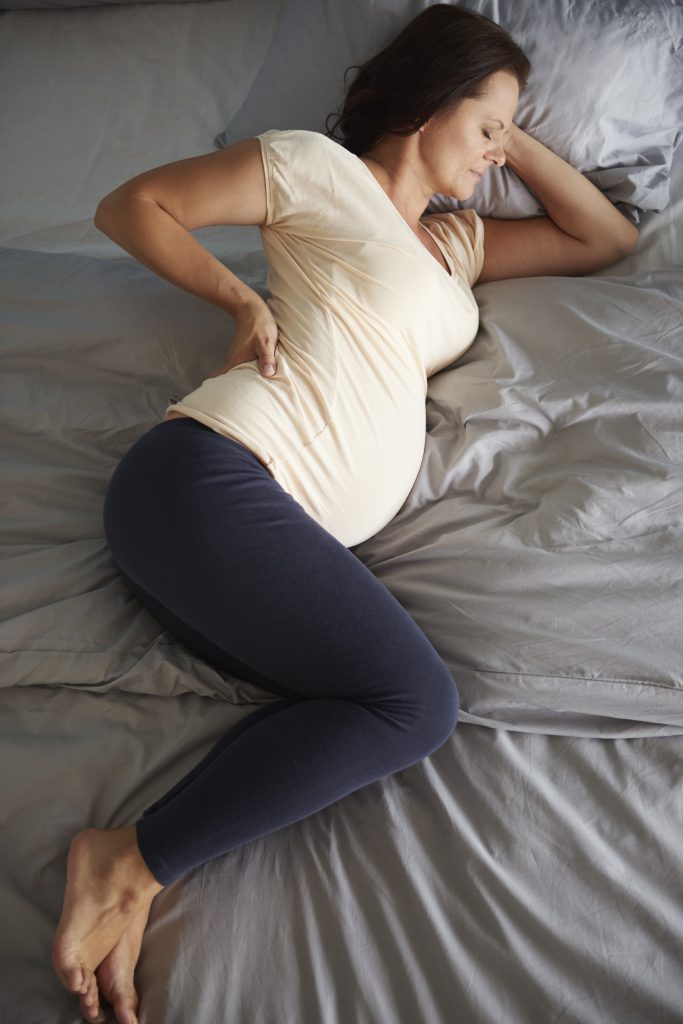
In most cases, mild to moderate Back Pain After Pregnancy is considered a normal part of postpartum recovery. Pain that gradually improves over several weeks usually does not indicate a serious problem.
Normal postpartum back pain often feels like muscle soreness, stiffness, or aching after physical activity. It usually improves with rest, gentle movement, stretching, and proper body mechanics.
However, pain should never become progressively worse. If symptoms continue beyond several months or interfere significantly with daily life, further medical evaluation is recommended to identify possible underlying causes.
Symptoms of Back Pain After Pregnancy
The symptoms of Back Pain After Pregnancy can vary from one woman to another. Some mothers experience only mild stiffness in the lower back, while others may have persistent pain that interferes with daily activities. The discomfort may begin immediately after childbirth or develop gradually during the weeks that follow.
Many women describe the pain as a dull ache across the lower back that becomes worse after standing for long periods, lifting the baby, breastfeeding, or performing household tasks. Others may feel sharp pain when bending forward or twisting the body. Muscle tightness, reduced flexibility, and difficulty maintaining good posture are also common. In some cases, the pain spreads into the hips, buttocks, or thighs, making walking or climbing stairs uncomfortable.
Although mild discomfort is usually part of the normal healing process, severe pain, numbness, tingling, fever, or loss of bladder or bowel control should never be ignored because these symptoms may indicate a more serious medical condition.
How Is Back Pain After Pregnancy Diagnosed?
Doctors usually diagnose Back Pain After Pregnancy by discussing your symptoms, pregnancy history, and daily activities. They may ask when the pain started, where it is located, and whether it becomes worse with certain movements.
A physical examination helps assess posture, spinal movement, muscle strength, and joint flexibility. If the pain is severe, persistent, or accompanied by neurological symptoms, imaging tests such as X-rays, MRI scans, or CT scans may be recommended to rule out conditions like herniated discs, fractures, or nerve compression.
Early diagnosis allows healthcare professionals to create an appropriate treatment plan that supports recovery and prevents long-term complications.
Proven Treatments for Back Pain After Pregnancy
Treating Back Pain After Pregnancy depends on its underlying cause and severity. Most women recover successfully through conservative treatment without requiring surgery.
Physiotherapy is one of the most effective treatment options because it focuses on strengthening weakened muscles, improving posture, restoring flexibility, and reducing pain naturally. A physiotherapist may recommend gentle stretching, core stabilization exercises, pelvic floor rehabilitation, and movement correction techniques that help rebuild strength safely.
Pain relief medications may also be used under medical supervision, particularly if the discomfort interferes with daily activities. For breastfeeding mothers, it is essential to consult a healthcare provider before taking any medication.
Heat therapy often helps relax tight muscles and improve blood circulation, while cold therapy can reduce inflammation during the early stages of pain. Many women also benefit from massage therapy, which relieves muscle tension and promotes relaxation.
Adequate rest remains equally important. While complete bed rest is not recommended, balancing activity with sufficient recovery time allows the body to heal more efficiently.
Physiotherapy Exercises for Recovery
Exercise plays a major role in recovering from Back Pain After Pregnancy, but it should always begin gradually. Gentle walking is usually one of the safest activities because it improves circulation, strengthens muscles, and enhances overall fitness without placing excessive stress on the spine.
As healing progresses, exercises that activate the deep abdominal muscles and pelvic floor become increasingly important. These muscles provide stability to the spine and reduce pressure on the lower back during daily movements.
Stretching exercises for the hips, hamstrings, and lower back improve flexibility while reducing muscle tightness. Practicing proper breathing techniques during exercise also helps activate the core muscles more effectively.
Every postpartum recovery is unique, so exercises should be tailored to individual needs and performed under professional guidance whenever possible.
Lifestyle Changes That Support Recovery
Daily habits have a significant impact on healing from Back Pain After Pregnancy. Maintaining good posture while feeding the baby is one of the simplest yet most effective ways to reduce strain on the spine. Supporting the baby with pillows instead of leaning forward helps keep the back in a neutral position.
When lifting the baby, mothers should bend their knees rather than bending from the waist. Keeping the baby close to the body reduces pressure on the lower back and minimizes muscle strain.
Sleeping on a supportive mattress and placing a pillow between the knees while lying on the side may also improve spinal alignment and reduce discomfort during the night.
Regular hydration, nutritious meals rich in calcium, vitamin D, and protein, and gradual return to physical activity all contribute to faster healing and stronger muscles.
Can Back Pain After Pregnancy Be Prevented?
Although it cannot always be completely prevented, the risk of Back Pain After Pregnancy can be significantly reduced by maintaining healthy habits before, during, and after pregnancy.
Regular exercise during pregnancy helps strengthen the muscles that support the spine. Maintaining a healthy weight reduces unnecessary pressure on the back and joints. Learning proper lifting techniques before the baby arrives also prepares mothers for the physical demands of childcare.
After delivery, continuing gentle physical activity, practicing good posture, and avoiding prolonged sitting can further reduce the likelihood of persistent back pain.
When Should You See a Doctor?
Most cases improve gradually, but professional medical advice is important if pain becomes severe or lasts longer than expected.
You should consult a healthcare provider if your back pain continues for several months without improvement, becomes increasingly intense, spreads down the legs, or is associated with numbness or weakness. Immediate medical attention is necessary if pain is accompanied by fever, significant swelling, unexplained weight loss, or loss of bladder or bowel control.
Early treatment often prevents complications and allows mothers to return to normal activities more quickly.
Recovery Timeline
Every woman heals at her own pace. Mild postpartum back pain often improves within six to twelve weeks as hormone levels normalize and muscles regain strength.
Women with significant muscle weakness, cesarean delivery, or physically demanding daily routines may require several months for complete recovery. Consistency with physiotherapy, regular exercise, and healthy lifestyle habits usually leads to the best long-term outcomes.
Patience is important because healing occurs gradually. Attempting strenuous exercise too early may delay recovery rather than accelerate it.
Conclusion
Back Pain After Pregnancy is a common condition that affects many new mothers, but it does not have to become a permanent problem. Understanding why the pain occurs, recognizing the symptoms, and seeking appropriate treatment can make a significant difference in recovery.
Most women experience improvement through proper posture, regular physiotherapy, gentle exercise, healthy nutrition, and gradual strengthening of the core muscles. Paying attention to body mechanics while lifting, feeding, and caring for the baby also reduces unnecessary stress on the spine.
If the pain is severe, persistent, or accompanied by unusual symptoms, consulting a healthcare professional is essential to rule out more serious conditions. With the right care and patience, most mothers can recover fully and return to enjoying daily life with confidence and comfort.