Back Pain After Exercise: 9 Powerful Causes, Warning Signs & Proven Treatments
Exercise is one of the best ways to improve your health, strengthen muscles, and maintain flexibility. However, some people notice discomfort or soreness after physical activity and begin to wonder whether it is normal or a sign of an injury. Experiencing Back Pain After Exercise can be frustrating, especially if it affects your ability to work, exercise, or carry out daily activities. While mild muscle soreness is common after starting a new workout routine, persistent or severe pain should never be ignored.
The back contains muscles, ligaments, tendons, joints, discs, and nerves that work together to support movement and stability. During exercise, these structures experience stress, and improper technique or excessive strain can lead to pain. Understanding the causes of Back Pain After Exercise helps you identify whether your discomfort is part of normal recovery or a condition requiring medical attention.
This guide explains the causes, symptoms, diagnosis, treatment options, and prevention strategies to help you recover safely and return to your fitness routine.
What Is Back Pain After Exercise?

Back Pain After Exercise refers to discomfort, stiffness, or pain that develops during or after physical activity. The pain may occur immediately after a workout or several hours later. Some people feel a dull ache, while others experience sharp pain that limits movement.
The location of the pain varies depending on the affected muscles or joints. It may occur in the lower back, upper back, or middle back. Mild soreness usually improves within one or two days, but severe or long-lasting pain may indicate muscle strain, ligament injury, disc problems, or poor exercise technique.
Learning to recognize the difference between normal muscle soreness and injury is important because early treatment often prevents long-term complications.
Is It Normal to Have Back Pain After Exercise?

In many cases, mild soreness after exercise is completely normal. When you begin a new workout program or increase exercise intensity, tiny microscopic tears develop within muscle fibers. These tears heal naturally and help muscles become stronger over time.
However, severe pain, swelling, numbness, or pain that continues for several days is not considered normal. Persistent Back Pain After Exercise may indicate that the spine, muscles, or supporting ligaments have been injured during physical activity.
Listening to your body is essential. Continuing intense exercise despite significant pain may increase the risk of further injury.
Common Causes of Back Pain After Exercise
There are many reasons why people develop back pain following physical activity.
One of the most common causes is poor exercise technique. Incorrect lifting posture during weight training places excessive pressure on the spine and surrounding muscles.
Overtraining is another major factor. Exercising without allowing enough recovery time causes muscle fatigue and increases the likelihood of injury.
Weak core muscles also contribute to spinal instability. Without adequate support from the abdominal and back muscles, the spine experiences greater stress during movement.
Sudden increases in workout intensity, improper warm-up routines, dehydration, muscle imbalance, and inadequate flexibility can all contribute to Back Pain After Exercise.
Muscle Strain

Muscle strain is among the most frequent causes of exercise-related back pain.
When muscles are stretched beyond their normal capacity, small tears develop within the fibers. This often happens while lifting heavy weights, performing explosive movements, or using incorrect form.
Symptoms include tenderness, stiffness, swelling, and pain that worsens with movement. Most mild muscle strains improve with rest, gentle stretching, and gradual return to activity.
Proper warm-up and strengthening exercises significantly reduce the risk of muscle strain.
Poor Exercise Technique
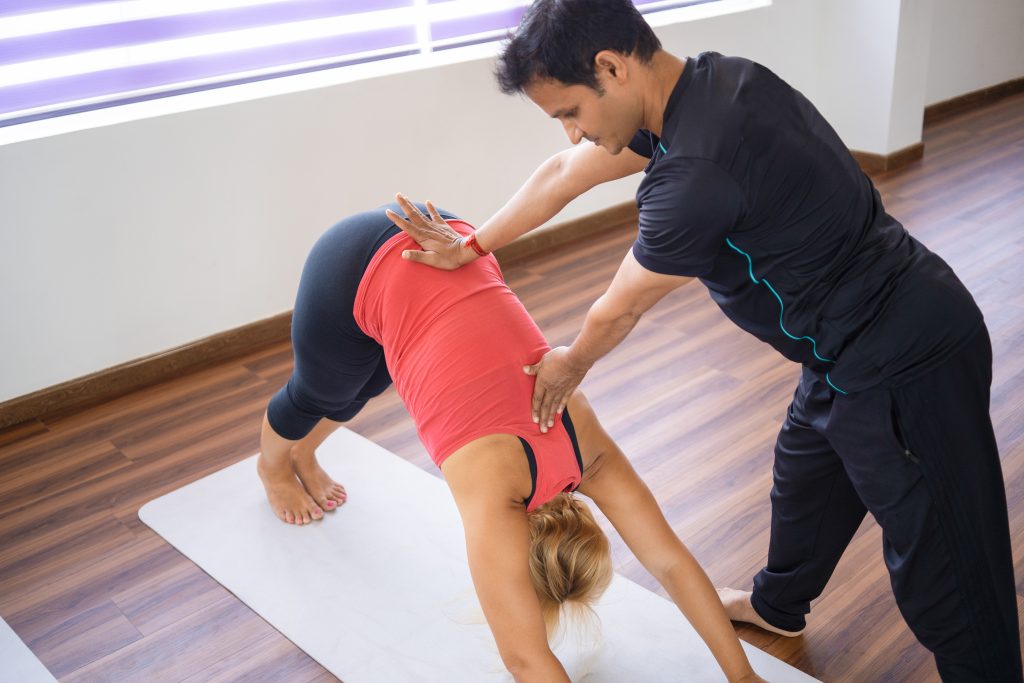
Incorrect exercise form places unnecessary stress on the spine.
Exercises such as deadlifts, squats, rows, and overhead presses require proper body mechanics. Rounding the back while lifting heavy weights increases pressure on spinal discs and ligaments.
Even bodyweight exercises can cause injury if performed incorrectly. Working with a qualified trainer helps ensure correct posture and movement patterns.
Many cases of Back Pain After Exercise can be prevented simply by improving lifting technique.
Inadequate Warm-Up
Skipping a proper warm-up prepares neither the muscles nor the joints for physical activity.
Cold muscles are less flexible and more prone to injury. Gentle stretching, walking, cycling, or dynamic mobility exercises increase blood flow before intense workouts.
A proper warm-up gradually prepares the cardiovascular system while improving muscle elasticity and reducing stiffness.
People who consistently warm up before exercise often experience fewer injuries and faster recovery.
Overtraining and Lack of Recovery

Exercise stimulates muscle growth only when the body receives enough time to recover.
Training the same muscle groups every day without adequate rest increases fatigue and decreases muscle performance. Recovery allows damaged muscle fibers to repair themselves and become stronger.
Insufficient sleep, poor nutrition, and dehydration also delay recovery.
Ignoring these recovery principles may result in chronic Back Pain After Exercise and reduced athletic performance.
Herniated Disc and Spinal Problems

Sometimes back pain develops because of underlying spinal conditions rather than muscle soreness alone.
A herniated disc occurs when the soft inner portion of a spinal disc pushes outward and compresses nearby nerves. Heavy lifting with improper technique increases the risk of this condition.
People with herniated discs may experience pain radiating into the legs, numbness, tingling, or muscle weakness.
Degenerative disc disease, spinal arthritis, and spinal stenosis may also become more noticeable after strenuous exercise.
Symptoms to Watch For
The symptoms of Back Pain After Exercise vary depending on the underlying cause.
Some individuals experience mild soreness that improves within a day or two. Others notice muscle stiffness that limits bending or twisting movements.
More serious symptoms include sharp pain, muscle spasms, numbness, tingling, weakness in the legs, or pain that radiates below the knee.
If pain becomes worse instead of improving, medical evaluation is recommended.
Risk Factors

Several factors increase the likelihood of developing exercise-related back pain.
Poor posture during daily activities weakens spinal alignment before exercise even begins. Obesity places additional stress on the lower back, while weak abdominal muscles reduce spinal stability.
Smoking decreases blood flow to spinal tissues, slowing healing after injury. Previous back injuries also increase the risk of recurring pain.
People who suddenly increase workout intensity without proper conditioning are more likely to develop Back Pain After Exercise than those who progress gradually.
How Doctors Diagnose the Condition
If back pain continues despite rest and home care, your healthcare provider will perform a detailed medical evaluation.
The doctor will ask about your exercise routine, the type of workout performed, when the pain started, and whether numbness or weakness is present. A physical examination assesses posture, muscle strength, flexibility, reflexes, and spinal movement.
If a more serious condition is suspected, imaging tests such as X-rays, MRI scans, or CT scans may be recommended to identify muscle injuries, disc problems, fractures, or nerve compression.
Accurate diagnosis ensures the most effective treatment plan while helping prevent future episodes of Back Pain After Exercise.
Treatment for Back Pain After Exercise
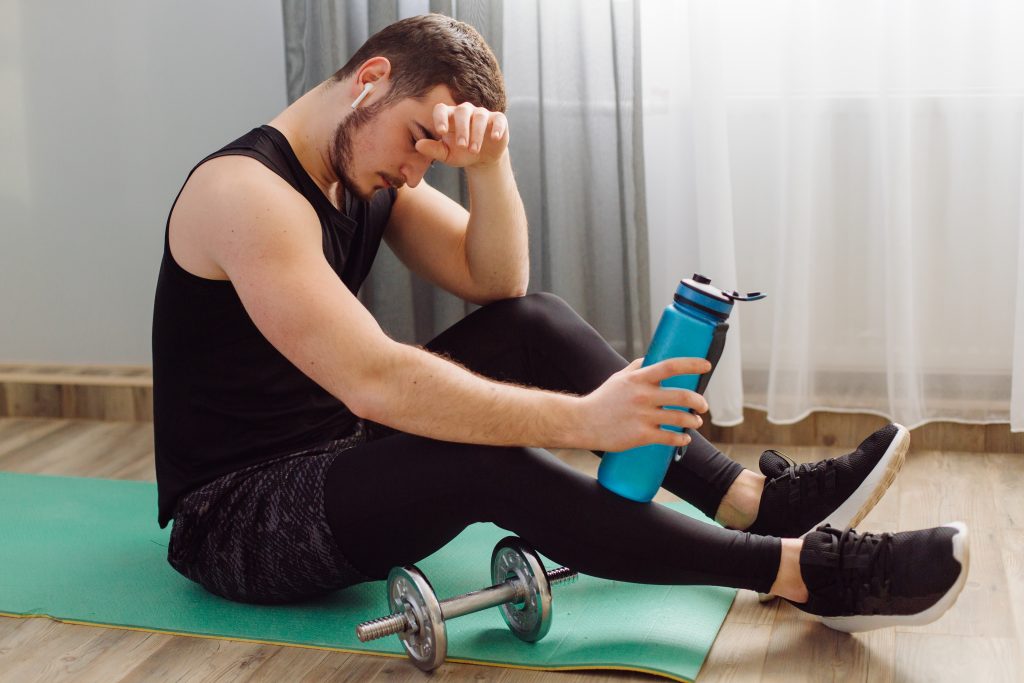
The treatment for Back Pain After Exercise depends on the underlying cause and the severity of the symptoms. Mild muscle soreness usually improves within a few days with adequate rest, hydration, and gentle movement. Avoiding intense workouts for a short period allows damaged muscle fibers to heal naturally without causing additional stress to the spine.
Applying ice during the first 24 to 48 hours after an injury may reduce inflammation, while heat therapy is often more helpful for relaxing tight muscles after the initial swelling has decreased. If the pain continues despite home care, a healthcare professional may recommend physical therapy, prescription medications, or further evaluation to identify the exact cause.
Ignoring persistent pain and continuing heavy exercise can increase the risk of long-term spinal injuries.
How Physiotherapy Helps
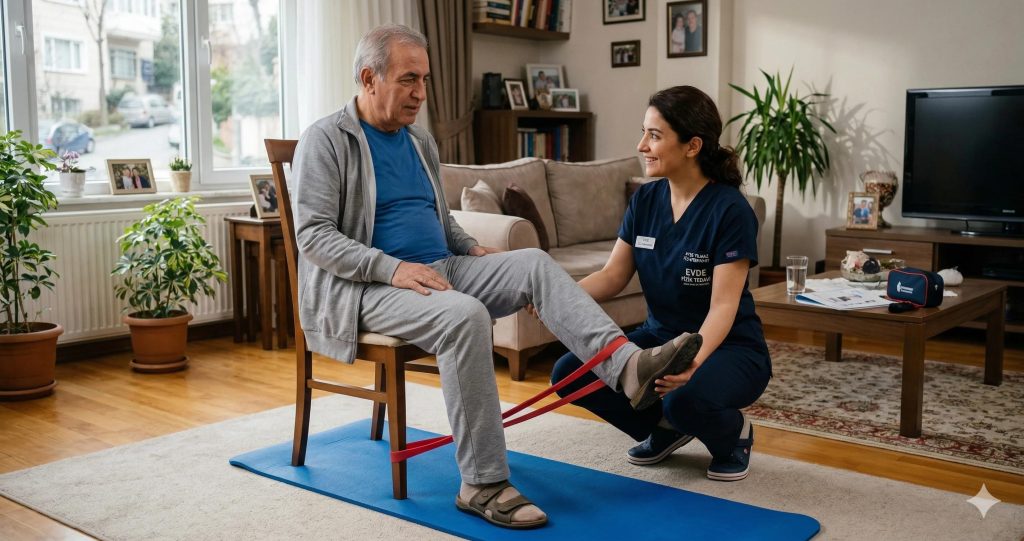
Physiotherapy is one of the most effective treatments for ongoing back pain caused by exercise. A physiotherapist carefully evaluates posture, flexibility, muscle strength, movement patterns, and spinal alignment before designing an individualized rehabilitation program.
Treatment often includes stretching exercises to improve flexibility, strengthening exercises for the core muscles, posture correction, and manual therapy to improve joint mobility. As strength and flexibility improve, patients gradually return to their normal exercise routine with a lower risk of reinjury.
Many individuals experiencing Back Pain After Exercise recover more quickly when physiotherapy is combined with proper exercise technique and adequate recovery.
Home Recovery Methods
Most mild exercise-related back pain responds well to simple home care. Gentle walking keeps the muscles active without placing excessive strain on the spine. Drinking enough water supports muscle recovery, while eating protein-rich foods helps repair damaged muscle fibers.
Sleeping on a supportive mattress and maintaining good posture throughout the day also reduce unnecessary pressure on the back. Light stretching after the pain begins to improve may restore flexibility and decrease stiffness.
People with Back Pain After Exercise should avoid remaining in bed for extended periods because prolonged inactivity may delay recovery and increase muscle stiffness.
The Importance of Recovery
Recovery is an essential part of every successful fitness program. Muscles become stronger during recovery rather than during the workout itself. Exercising intensely every day without allowing sufficient rest increases fatigue and raises the likelihood of injury.
Adults should generally aim for seven to nine hours of quality sleep each night because sleep supports tissue repair and hormone regulation. Rest days between intense workouts also allow muscles, ligaments, and joints to recover properly.
Following a balanced recovery routine significantly reduces the chances of developing Back Pain After Exercise again.
Can You Continue Exercising?
Whether you should continue exercising depends on the type and severity of your symptoms.
If you have only mild muscle soreness, light physical activity such as walking or gentle stretching may actually improve circulation and reduce stiffness. However, sharp pain, pain that worsens during movement, or pain accompanied by numbness or weakness requires stopping the activity immediately.
Returning to heavy lifting too soon may worsen the injury and prolong recovery. Individuals with repeated episodes of Back Pain After Exercise should consult a healthcare provider or physiotherapist before resuming strenuous workouts.
Prevention Strategies
Preventing exercise-related back pain begins before the workout starts. Performing a proper warm-up prepares muscles and joints for physical activity while improving flexibility.
Using correct lifting techniques during strength training protects the spine from unnecessary stress. Gradually increasing exercise intensity instead of making sudden changes allows the body to adapt safely.
Maintaining a strong core, practicing good posture throughout the day, wearing appropriate footwear, staying hydrated, and allowing sufficient recovery time all help reduce the risk of Back Pain After Exercise.
When Should You See a Doctor?
Although mild soreness is common after physical activity, medical evaluation is recommended if pain lasts longer than one week, becomes increasingly severe, or limits normal movement.
Immediate medical attention should be sought if back pain occurs together with numbness, tingling, weakness in the legs, loss of bladder or bowel control, fever, unexplained weight loss, or severe pain following trauma.
Persistent Back Pain After Exercise may indicate a herniated disc, spinal fracture, nerve compression, or another condition requiring specialized treatment.
Frequently Asked Questions
Is back pain after exercise always normal?
No. Mild muscle soreness is common after exercise, but severe or persistent pain should be evaluated by a healthcare professional.
How long should muscle soreness last?
Normal muscle soreness usually improves within 24 to 72 hours. Pain lasting longer than a week may require medical assessment.
Can poor lifting technique cause back pain?
Yes. Incorrect posture during lifting is one of the leading causes of exercise-related spinal injuries.
Should I stop exercising completely?
Not always. Light movement is often beneficial, but heavy workouts should be avoided until symptoms improve and the underlying cause is identified.
Can physiotherapy prevent future injuries?
Yes. Physiotherapy strengthens supporting muscles, improves posture, corrects movement patterns, and reduces the likelihood of recurring injuries.
Conclusion
Exercise plays an important role in maintaining overall health, but pain should never be considered a normal part of every workout. While mild soreness often reflects normal muscle recovery, persistent or severe Back Pain After Exercise may indicate muscle strain, poor technique, spinal injury, or another medical condition that requires professional evaluation.
Maintaining proper exercise form, warming up before workouts, strengthening the core muscles, allowing adequate recovery, and listening to your body’s warning signs are essential for preventing injury. Most cases improve with conservative treatment, but persistent symptoms should never be ignored. If Back Pain After Exercise continues despite rest and proper recovery, consulting a qualified healthcare provider or physiotherapist can help identify the cause and create an effective treatment plan, allowing you to return safely to your fitness goals.