Knee injuries are among the most common musculoskeletal problems, affecting people of all ages—from athletes to individuals with sedentary lifestyles. Whether caused by sports, accidents, or overuse, proper care and rehabilitation are essential for a quick and safe recovery. This guide will help you understand effective ways to recover from a knee injury faster.
Understanding Knee Injuries
Knee injuries can range from mild strains to severe ligament tears. Common types include:
- Ligament injuries (ACL, MCL)
- Meniscus tears
- Tendinitis
- Knee sprains
The severity of the injury determines the recovery time and treatment approach.
1. Follow the R.I.C.E Method
Immediately after a knee injury, follow the R.I.C.E method:
- Rest: Avoid putting weight on the injured knee
- Ice: Apply ice packs for 15–20 minutes every 2–3 hours
- Compression: Use a knee brace or bandage to reduce swelling
- Elevation: Keep your leg raised to minimize swelling
This helps reduce inflammation and speeds up initial healing.
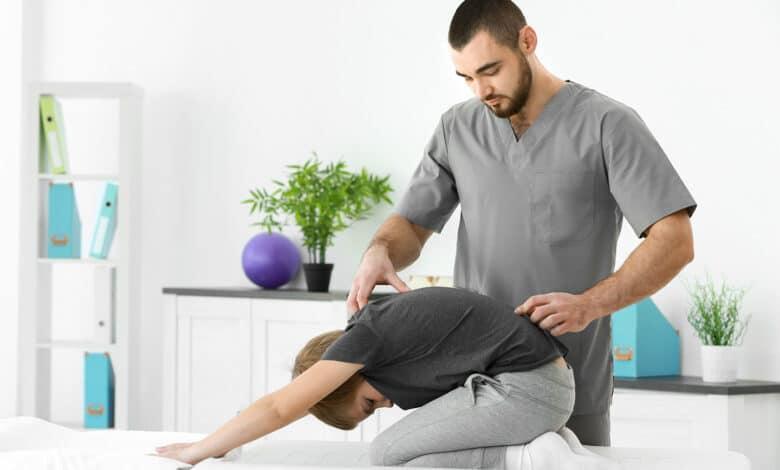
2. Start Physiotherapy Early
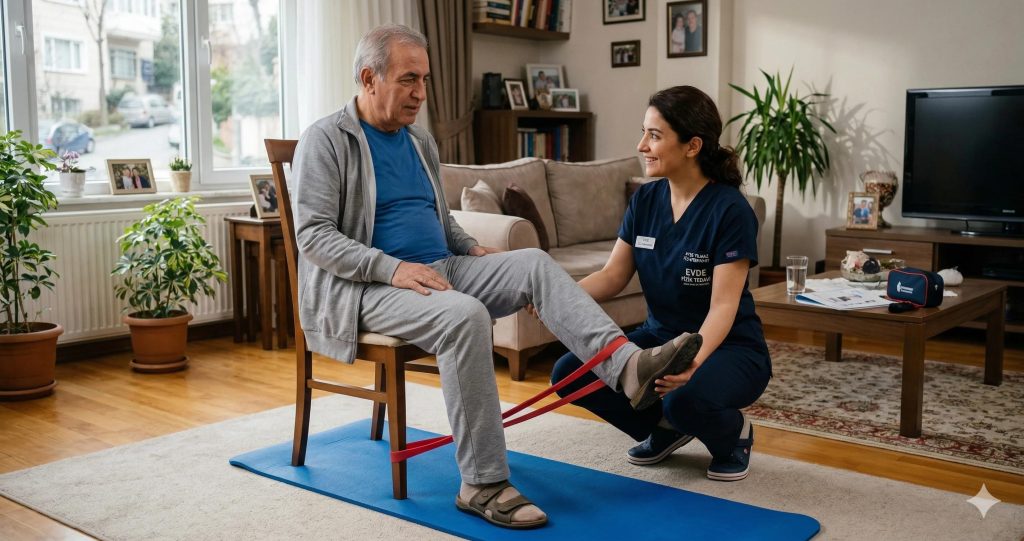
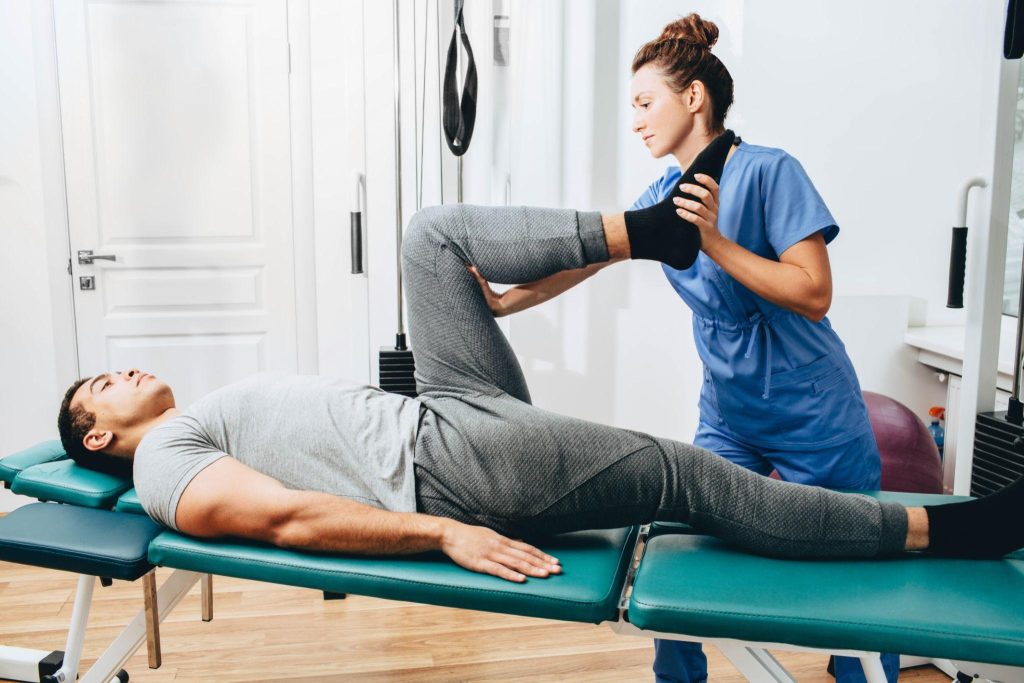
Once the acute pain reduces, physiotherapy plays a crucial role in recovery. A physiotherapist will guide you through exercises that restore strength, flexibility, and mobility.
Benefits include:
- Faster healing
- Reduced risk of re-injury
- Improved joint stability
3. Perform Strengthening Exercises
Strengthening the muscles around the knee is key to recovery. Focus on:
- Quadriceps strengthening
- Hamstring exercises
- Calf raises
These muscles support the knee joint and reduce stress on injured tissues.
4. Improve Flexibility
Gentle stretching exercises help maintain flexibility and prevent stiffness. Include:
- Hamstring stretches
- Quadriceps stretches
- Knee range-of-motion exercises
Always perform stretches slowly and avoid pain.
5. Maintain a Healthy Diet
Proper nutrition supports healing. Include:
- Protein-rich foods for tissue repair
- Calcium and Vitamin D for bone health
- Anti-inflammatory foods like fruits and vegetables
Staying hydrated is equally important.
6. Avoid Overloading the Knee
While activity is important, overexertion can delay recovery. Avoid:
- High-impact activities
- Running or jumping too soon
- Sudden movements
Gradually increase activity levels under professional guidance.
7. Use Support if Needed
Knee braces, supports, or crutches can help reduce pressure on the joint during recovery. They provide stability and prevent further injury.
8. Stay Consistent with Rehabilitation
Consistency is the key to faster recovery. Follow your physiotherapy routine regularly and do not skip exercises. Recovery may take time, but disciplined effort ensures better results.
When to See a Doctor
Seek medical attention if you experience:
- Severe pain or swelling
- Inability to bear weight
- Knee instability
- No improvement after a few weeks
Conclusion
Recovering from a knee injury requires patience, proper care, and consistent effort. By combining rest, physiotherapy, exercise, and healthy habits, you can speed up the healing process and return to your normal activities safely.
Remember, rushing recovery can lead to further injury—so focus on gradual progress and long-term health.