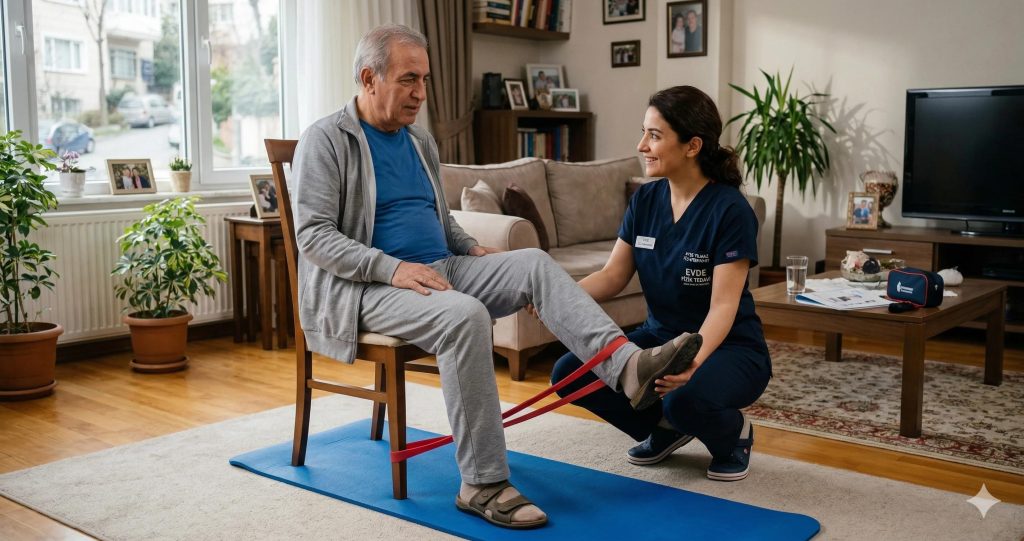

Physiotherapy Exercises for Wrist: A Complete Guide to Reducing Pain and Restoring Strength
The wrist is one of the most active joints in the human body. Whether you are typing on a computer, lifting groceries, playing sports, driving, or performing household tasks, your wrists are constantly involved in movement. Because of this continuous use, wrist pain and stiffness are common problems that affect people of all ages. Repetitive strain, injuries, arthritis, poor posture, and overuse can all lead to discomfort that interferes with daily life.
One of the safest and most effective ways to manage wrist pain is through Physiotherapy Exercises for Wrist. These exercises are designed to improve flexibility, restore mobility, strengthen the muscles supporting the wrist, and reduce pain naturally. Unlike relying only on medication, physiotherapy focuses on addressing the underlying cause of discomfort while helping prevent future injuries.
Whether you are recovering from a wrist sprain, tendon injury, surgery, or simply dealing with stiffness caused by long hours of computer work, the right rehabilitation program can significantly improve your recovery. In this guide, you will learn how Physiotherapy Exercises for Wrist can help restore normal function, who can benefit from them, and how to perform them safely for the best results.
What Are Physiotherapy Exercises for Wrist?

Physiotherapy Exercises for Wrist are specially designed movements created by physiotherapists to restore normal wrist function. These exercises focus on increasing flexibility, strengthening muscles, improving joint stability, reducing inflammation, and enhancing coordination.
The wrist is made up of multiple small bones, ligaments, tendons, muscles, and nerves working together. When any of these structures become injured or inflamed, everyday movements can become painful and difficult. Physiotherapy targets these affected structures gradually, allowing the body to heal while restoring normal movement patterns.
Depending on the cause of your symptoms, your physiotherapist may recommend stretching exercises during the early stages of recovery and strengthening exercises once pain begins to decrease. The program is always adjusted according to the severity of the injury and the patient’s progress.
Why Wrist Pain Happens

Understanding why wrist pain develops is important before beginning any exercise program. The wrist is constantly exposed to repetitive movement and pressure throughout daily activities. Over time, these repeated stresses can damage muscles, tendons, ligaments, or joints.
People who spend long hours typing, using a mouse, operating machinery, lifting heavy objects, or participating in sports such as tennis, badminton, golf, and weightlifting are more likely to develop wrist pain. Injuries from falls are another common cause, especially when people instinctively use their hands to break a fall.
Medical conditions including tendonitis, carpal tunnel syndrome, arthritis, ligament sprains, fractures, ganglion cysts, and nerve compression can also contribute to wrist discomfort. In many cases, early treatment with Physiotherapy Exercises for Wrist helps improve mobility and reduces the risk of long-term complications.
Common Symptoms That May Require Physiotherapy

Not every episode of wrist pain requires medical treatment, but persistent symptoms should never be ignored. Early physiotherapy often leads to quicker recovery and better long-term outcomes.
Pain while moving the wrist is one of the earliest signs that rehabilitation may be needed. Some people notice stiffness first thing in the morning, while others experience discomfort after repetitive activities. Swelling around the wrist joint, tenderness when pressing specific areas, reduced grip strength, difficulty lifting objects, clicking sounds, tingling sensations, numbness in the fingers, and limited range of motion are also common symptoms.
If these symptoms continue for several days or begin interfering with daily activities, professional evaluation is recommended before starting an exercise program.
Benefits of Physiotherapy Exercises for Wrist

One of the biggest advantages of Physiotherapy Exercises for Wrist is that they promote natural healing without depending entirely on pain medication. Carefully planned exercises stimulate blood circulation, allowing oxygen and nutrients to reach injured tissues more efficiently.
Improved circulation helps reduce inflammation while accelerating tissue repair. As pain gradually decreases, patients regain confidence in moving their wrist without fear of worsening the injury.
Strengthening the muscles surrounding the wrist provides additional support to the joint, making it more stable during everyday activities. Better flexibility allows smoother movement, reducing stiffness and improving comfort throughout the day.
Another important benefit is improved coordination between the hand, wrist, and forearm muscles. This coordination is essential for activities requiring fine motor skills such as writing, cooking, typing, or using tools.
Consistent rehabilitation also lowers the likelihood of recurring injuries by correcting muscle weakness and restoring proper movement mechanics.
Who Can Benefit from Physiotherapy Exercises for Wrist?

Almost anyone experiencing wrist discomfort can benefit from a structured rehabilitation program. Office workers who spend long hours typing often develop repetitive strain injuries that respond well to stretching and strengthening exercises.
Athletes who play racquet sports, perform gymnastics, lift weights, or participate in contact sports frequently require rehabilitation following overuse injuries or trauma.
Older adults living with arthritis often experience stiffness that limits their ability to perform daily activities. Gentle exercises help preserve mobility while reducing discomfort.
Individuals recovering after wrist fractures or surgery also benefit significantly from supervised rehabilitation once healing has progressed sufficiently. Patients diagnosed with tendonitis, ligament injuries, carpal tunnel syndrome, or chronic wrist instability can often improve their symptoms through consistent physiotherapy under professional guidance.
Preparing Before Starting Wrist Rehabilitation

Before beginning Physiotherapy Exercises for Wrist, it is important to ensure that the wrist is ready for movement. Exercising an acutely injured wrist too aggressively can delay healing instead of promoting recovery.
A short warm-up prepares the muscles and tendons for exercise by increasing blood flow. Applying a warm towel or heating pad for several minutes often helps reduce stiffness before movement begins.
Exercises should always be performed slowly without forcing the wrist into painful positions. Mild stretching discomfort is generally acceptable, but sharp pain should never be ignored.
Proper sitting posture also plays an important role during rehabilitation. Keeping the shoulders relaxed and maintaining a neutral wrist position helps reduce unnecessary stress throughout each exercise session.
People recovering from fractures or surgery should always follow their healthcare provider’s recommendations regarding when rehabilitation can safely begin.
Physiotherapy Exercises for Wrist Flexibility

One of the primary goals of Physiotherapy Exercises for Wrist is restoring flexibility. After injury or prolonged immobilization, the wrist often becomes stiff because muscles and connective tissues lose their normal elasticity.
Gentle flexibility exercises gradually restore movement by encouraging tissues to lengthen safely over time. Improved flexibility allows the wrist to move comfortably through its full range without excessive strain.
Patients often notice improvements in daily activities such as opening jars, carrying bags, writing, and lifting lightweight objects after consistently performing flexibility exercises.
Progress should always be gradual because forcing movement too quickly may increase inflammation instead of improving mobility.
Wrist Flexion Stretch

The wrist flexion stretch is one of the simplest rehabilitation exercises used by physiotherapists worldwide. This movement focuses on improving flexibility in the muscles located along the back of the forearm.
Begin by extending one arm straight in front of your body with the palm facing downward. Using the opposite hand, gently bend the wrist downward until a comfortable stretch is felt. Hold this position while breathing normally before slowly returning to the starting position.
The movement should remain smooth and controlled throughout the exercise. Over time, this stretch helps restore normal wrist flexibility while reducing stiffness associated with repetitive activities.
Wrist Extension Stretch
The wrist extension stretch targets the muscles located along the front of the forearm. These muscles frequently become tight after prolonged typing, lifting, or gripping activities.
Extend one arm in front with the palm facing downward. Using the opposite hand, carefully pull the fingers upward until a gentle stretch is felt across the underside of the forearm and wrist.
Maintaining relaxed shoulders throughout the stretch improves effectiveness while minimizing unnecessary tension elsewhere in the body. Consistent practice gradually improves flexibility, making everyday movements more comfortable.
Wrist Rotation Mobility Exercise

Wrist rotation is another valuable movement included in Physiotherapy Exercises for Wrist because it restores mobility in multiple directions.
Begin by bending the elbow to ninety degrees while keeping it close to the body. Slowly rotate the wrist clockwise before reversing the direction. The movement should remain smooth and pain-free throughout the exercise.
This mobility exercise improves coordination between the wrist, forearm, and hand while maintaining healthy joint function. It is especially beneficial for individuals recovering after periods of immobilization or repetitive strain injuries.Wrist Strengthening Through Physiotherapy Exercises for Wrist
Once pain and inflammation have started to improve, strengthening becomes the next important stage of rehabilitation. Strong muscles provide better support to the wrist joint and reduce the risk of future injuries. This is why Physiotherapy Exercises for Wrist focus not only on flexibility but also on building endurance and stability.
Strengthening should always begin with light resistance and gradually increase as comfort improves. Rushing into heavy exercises too soon can place unnecessary stress on healing tissues. With consistent practice, stronger wrist muscles improve grip strength, enhance control during movement, and make everyday activities such as lifting, carrying, writing, and using tools much easier.
Wrist Isometric Exercise
An isometric exercise strengthens the muscles without moving the joint. This makes it one of the safest exercises during the early stages of rehabilitation.
Place your forearm on a table while keeping the wrist in a neutral position. Press your hand gently against your other hand or a stable object without allowing the wrist to move. Hold the contraction for several seconds before relaxing.
This exercise activates the supporting muscles while placing minimal stress on the healing tissues. Many physiotherapists recommend it for patients recovering from tendon injuries or mild sprains.
Wrist Curl Exercise
The wrist curl is a classic strengthening movement commonly included in rehabilitation programs.
Sit comfortably with your forearm resting on a table and your palm facing upward while holding a light dumbbell or a small water bottle. Slowly lift the weight by bending your wrist upward before lowering it back down with complete control.
This movement strengthens the wrist flexor muscles that are responsible for gripping and lifting. Performing the exercise slowly is more beneficial than rushing through the movement.
As strength improves, resistance can be increased gradually under the guidance of a physiotherapist.
Reverse Wrist Curl
The reverse wrist curl focuses on the muscles located along the back of the forearm.
Rest your forearm on a table with your palm facing downward while holding a light weight. Lift the back of your hand toward the ceiling before lowering it slowly.
This exercise helps restore muscular balance between the front and back of the forearm, reducing the likelihood of overuse injuries and improving overall wrist stability.
Grip Strength Training
Grip strength is essential for almost every daily activity. Weak grip often develops after wrist injuries because the surrounding muscles become inactive during recovery.
A soft therapy ball or stress ball can be gently squeezed while maintaining comfortable breathing. The squeezing motion strengthens the muscles of the hand, fingers, and forearm while improving coordination.
As grip strength improves, patients usually notice better control when carrying shopping bags, opening jars, writing, and performing work-related tasks.
Tendon Gliding Exercises
Tendon gliding exercises are especially beneficial for individuals experiencing stiffness or recovering from carpal tunnel syndrome.
The movements involve slowly changing the position of the fingers through different hand shapes while keeping the wrist relaxed. These gentle motions help the tendons move smoothly within their surrounding tissues.
Regular tendon gliding improves flexibility, reduces stiffness, and decreases friction around the tendons, making hand movements more comfortable.
How Often Should You Perform Physiotherapy Exercises for Wrist?
The frequency of Physiotherapy Exercises for Wrist depends on the individual’s condition and stage of recovery. Most physiotherapists recommend performing gentle mobility exercises once or twice daily during the early stages. As pain decreases and strength improves, resistance exercises may be added several times per week.
Consistency is much more important than intensity. Performing exercises correctly every day usually produces better results than completing difficult workouts only occasionally.
Recovery times vary considerably. Mild overuse injuries may improve within a few weeks, while fractures, ligament injuries, or surgical recovery often require several months of rehabilitation.
Common Mistakes During Wrist Rehabilitation
Many people unknowingly slow their recovery by making simple mistakes during rehabilitation.
Ignoring pain is one of the most common problems. Mild stretching discomfort is acceptable, but sharp or increasing pain should never be ignored.
Another frequent mistake is progressing too quickly. Increasing resistance before the tissues are ready may lead to reinjury.
Poor exercise technique can also reduce effectiveness. Moving too quickly, using incorrect posture, or compensating with the shoulder instead of the wrist often places stress on the wrong muscles.
Skipping warm-ups, performing exercises inconsistently, and returning to heavy activities too early are additional factors that may delay recovery.
Following a structured rehabilitation plan helps ensure steady progress while minimizing setbacks.
Lifestyle Tips to Support Wrist Recovery
Exercise works best when combined with healthy daily habits. Maintaining good posture while typing keeps unnecessary pressure off the wrist joints. Using an ergonomic keyboard and mouse may also reduce repetitive strain.
Taking short breaks every thirty to sixty minutes allows the muscles to relax and reduces fatigue during prolonged computer work.
Applying ice after activities that increase soreness may help reduce inflammation, while gentle heat before exercising can improve flexibility.
Adequate hydration, balanced nutrition, quality sleep, and avoiding smoking all contribute to better tissue healing and faster recovery.
Protecting the wrist during sports by using proper technique and supportive braces when recommended can further reduce the risk of future injuries.
When to See a Physiotherapist
Although many mild wrist problems improve with home care, some situations require professional assessment.
Pain lasting longer than two weeks despite rest should be evaluated by a physiotherapist or healthcare provider. Significant swelling, visible deformity, severe weakness, inability to move the wrist, numbness that continues to worsen, or pain following a fall may indicate a more serious injury requiring medical attention.
A physiotherapist can accurately identify the cause of symptoms, develop an individualized treatment plan, monitor recovery, and safely progress exercises as healing occurs.
Early intervention often prevents chronic pain and allows patients to return to normal activities much sooner.
Frequently Asked Questions About Physiotherapy Exercises for Wrist
Many patients wonder how quickly they will notice improvement. Most individuals with mild wrist problems begin experiencing reduced stiffness and improved movement within two to four weeks of performing exercises consistently. More serious injuries naturally require additional recovery time.
Another common question is whether these exercises are safe for arthritis. In most cases, gentle stretching and strengthening help reduce stiffness, improve joint mobility, and support long-term function. However, exercises should be modified according to the severity of arthritis and should never cause significant pain.
People recovering from fractures frequently ask when rehabilitation should begin. Exercises should only start after approval from the treating physician once the bone has healed sufficiently. Beginning too early may interfere with proper healing.
Many individuals are also concerned about exercising through pain. Mild stretching sensations are normal, but severe or sharp pain indicates that the exercise should be stopped and reassessed by a healthcare professional.
Conclusion
Healthy wrists are essential for almost every task we perform, from working on a computer to cooking, exercising, driving, and enjoying recreational activities. Ignoring wrist pain may allow minor problems to become chronic conditions that significantly affect quality of life.
Regular Physiotherapy Exercises for Wrist offer a safe, effective, and evidence-based approach to restoring flexibility, increasing strength, improving joint stability, and reducing pain. When performed consistently and with proper technique, these exercises support natural healing while helping prevent future injuries.
Whether your symptoms are caused by repetitive strain, tendonitis, arthritis, a sports injury, or recovery after surgery, a structured rehabilitation program can make a meaningful difference. Patience and consistency remain the keys to successful recovery.
If your pain is severe, continues to worsen, or limits your daily activities despite regular exercise, consult a qualified physiotherapist for a personalized treatment plan. Starting the right rehabilitation program at the right time can help you regain full wrist function, return to your normal routine, and enjoy long-term joint health.