

Sciatica Pain Pregnancy Relief: Causes, Symptoms & Safe Treatment
Pregnancy is an exciting and life-changing journey, but it also brings many physical changes that can lead to discomfort and pain. One of the most common problems experienced by expectant mothers is sciatica pain. Sciatica during pregnancy occurs when the sciatic nerve, the largest nerve in the body, becomes irritated or compressed. This condition can cause pain that starts in the lower back or buttock and travels down the back of one leg. For some women, the pain is mild and occasional, while for others it becomes severe enough to interfere with walking, sleeping, sitting, and everyday activities.
Although pregnancy-related sciatica can be uncomfortable, it is usually temporary and often improves after childbirth. Understanding why it happens, recognizing the symptoms, and learning safe ways to manage the pain can make pregnancy much more comfortable. Because not every treatment is safe during pregnancy, it is important to focus on methods that protect both the mother and the developing baby.
What Is Sciatica?

The sciatic nerve is the longest and thickest nerve in the human body. It begins in the lower spine, passes through the buttocks, and extends down each leg to the feet. This nerve carries signals between the brain, spinal cord, and the muscles and skin of the legs.
Sciatica is not a disease itself but a symptom of irritation or pressure affecting the sciatic nerve. During pregnancy, this pressure may develop because of changes in posture, weight gain, hormonal changes, muscle tension, or the position of the growing baby. Unlike ordinary lower back pain, sciatica usually follows the path of the sciatic nerve and often affects only one side of the body.
Many pregnant women experience lower back pain without true sciatica. Sciatica is characterized by nerve pain that radiates from the lower back into the buttock and leg, often accompanied by tingling, numbness, or weakness.
Why Does Pregnancy Cause Sciatica?

Pregnancy places significant physical demands on the body. As the baby grows, the uterus becomes larger and shifts the mother’s center of gravity forward. To maintain balance, many women naturally lean backward, increasing the curve in the lower back. This change places additional stress on the spine, pelvic joints, muscles, and nerves.
Weight gain during pregnancy also contributes to increased pressure on the lower back and pelvis. The added weight places greater strain on the muscles that support the spine and may compress the sciatic nerve.
Hormonal changes play an equally important role. During pregnancy, the body produces a hormone called relaxin, which loosens ligaments in preparation for childbirth. While this increased flexibility helps during delivery, it can also reduce the stability of the pelvis and lower back, increasing the likelihood of nerve irritation.
As pregnancy progresses, the growing uterus may press directly against nearby muscles and nerves. In some women, the baby’s position places temporary pressure on the sciatic nerve, especially during the third trimester. Although this pressure often changes as the baby moves, it can cause episodes of significant discomfort.
Tight muscles in the buttocks, particularly the piriformis muscle, may also compress the sciatic nerve. This condition, known as piriformis syndrome, can develop during pregnancy because of changes in posture and increased muscle tension.
Common Symptoms of Sciatica During Pregnancy

Sciatica symptoms vary from one woman to another. Some experience occasional discomfort, while others develop persistent pain that affects daily life.
The most common symptom is pain that begins in the lower back or buttock and radiates down the back of the thigh. In some cases, the pain extends into the calf or even the foot. It usually affects only one side of the body, although both sides may occasionally be involved.
Many women describe the pain as sharp, burning, or shooting rather than dull and aching. The discomfort may worsen when standing for long periods, walking, climbing stairs, coughing, sneezing, or changing positions in bed.
Tingling sensations are also common. Some women feel pins and needles running down the leg, while others notice numbness in the thigh, calf, or foot.
Muscle weakness may occur if the nerve becomes significantly compressed. The affected leg may feel unstable, making walking more difficult.
Some women experience pain only during certain activities, while others continue to feel discomfort even while resting. Sleeping may become particularly challenging because finding a comfortable position becomes increasingly difficult as pregnancy progresses.
Risk Factors for Pregnancy Sciatica

Although any pregnant woman can develop sciatica, several factors increase the risk.
Women who have experienced lower back pain or sciatica before pregnancy are more likely to develop symptoms again. Previous spinal injuries, herniated discs, or chronic back problems may increase susceptibility.
Carrying excess body weight before pregnancy or gaining weight rapidly during pregnancy places greater pressure on the lower back and pelvis.
Poor posture, prolonged sitting, physically demanding work, or standing for extended periods may also contribute to nerve irritation.
Weak abdominal and core muscles provide less support for the growing uterus, increasing stress on the lower spine.
Women carrying larger babies or multiple babies may experience greater pelvic pressure, increasing the likelihood of sciatic nerve compression.
How Is Pregnancy Sciatica Diagnosed?
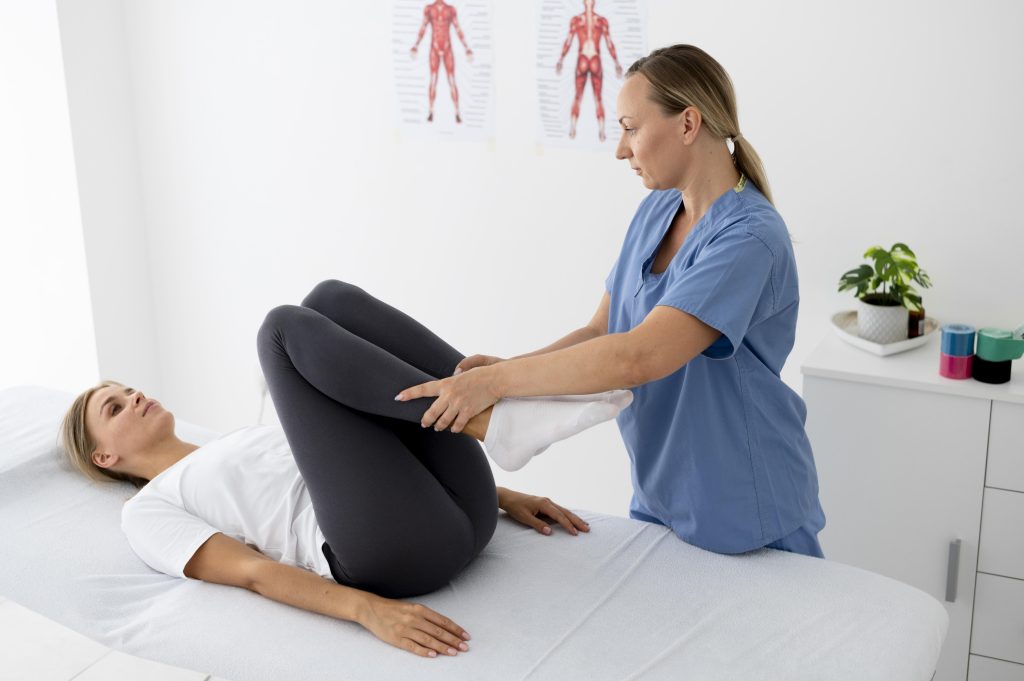
Diagnosing sciatica during pregnancy usually begins with a detailed medical history. Your healthcare provider will ask where the pain starts, how far it travels, what activities make it worse, and whether numbness or weakness is present.
A physical examination evaluates posture, spinal movement, muscle strength, reflexes, and sensation in the legs. The healthcare provider may gently examine the lower back, hips, and buttocks to identify areas of tenderness.
Because pregnancy limits the use of certain imaging tests, diagnosis is often based on symptoms and physical examination alone. MRI may occasionally be recommended if severe symptoms suggest a serious spinal condition, but this is usually reserved for specific situations when the benefits outweigh the risks.
Most cases of pregnancy-related sciatica do not require extensive testing because symptoms often improve after delivery.
Safe Treatment Options During Pregnancy

Treating sciatica during pregnancy focuses on relieving pain while ensuring the safety of both mother and baby. Since many medications are not recommended during pregnancy, healthcare providers often recommend conservative treatments first.
Resting for short periods may reduce pressure on the irritated nerve, but prolonged bed rest is generally discouraged because it can weaken muscles and increase stiffness. Gentle movement throughout the day helps maintain flexibility and improve circulation.
Applying a warm compress to the lower back or buttock may relax tight muscles and reduce discomfort. Some women also find relief with cold packs, especially when inflammation contributes to the pain.
Supportive maternity belts can help reduce pressure on the lower back by supporting the growing abdomen. Proper footwear with adequate cushioning and arch support also reduces strain on the spine while walking.
Maintaining good posture is extremely important during pregnancy. Sitting with adequate lower back support and avoiding slouching may reduce stress on the sciatic nerve.
Many healthcare providers recommend sleeping on the left side with a pillow placed between the knees. This position helps keep the hips aligned, reduces pelvic strain, and often decreases pressure on the sciatic nerve.
Physiotherapy is considered one of the safest and most effective treatments for pregnancy-related sciatica. A physiotherapist can design a personalized exercise program that strengthens the muscles supporting the spine while improving flexibility and reducing nerve irritation.
Gentle stretching exercises, pelvic stabilization exercises, breathing techniques, and posture correction can all contribute to significant pain relief when performed correctly.
Regular walking, swimming, and prenatal yoga may also improve mobility and reduce muscle tension, provided these activities are approved by your healthcare provider.
Final Thoughts

Sciatica during pregnancy is a common condition that develops when the growing baby, hormonal changes, weight gain, or altered posture place pressure on the sciatic nerve. The resulting pain may begin in the lower back or buttock and travel down one leg, sometimes accompanied by tingling, numbness, or muscle weakness. Although these symptoms can be frustrating, they are usually temporary and improve after childbirth.
Early recognition of symptoms, maintaining proper posture, staying physically active, performing pregnancy-safe stretches, and participating in physiotherapy can significantly reduce pain while improving mobility and daily comfort. Supportive sleeping positions, healthy lifestyle habits, and guidance from qualified healthcare professionals further contribute to a safer and more comfortable pregnancy.
Every pregnancy is unique, and treatment should always be individualized. If sciatica pain becomes severe, interferes with daily activities, or is accompanied by concerning neurological symptoms, seeking prompt medical evaluation is essential. With appropriate care and consistent self-management, most women can successfully control pregnancy-related sciatica and continue enjoying a healthy pregnancy.