

Thumb Joint Pain: Causes, Symptoms & Effective Treatments
Introduction
Thumb joint pain is one of the most common hand problems affecting people of all ages. Although the thumb is small compared to other parts of the body, it plays a vital role in nearly every daily activity. From holding a pen and typing on a keyboard to opening jars, lifting objects, texting on a smartphone, and shaking hands, the thumb is constantly in use. Because of this continuous movement and pressure, the joints of the thumb are more vulnerable to injuries, inflammation, and wear and tear.
Pain in the thumb joint may develop suddenly after an injury or gradually over weeks, months, or even years. Some people notice mild discomfort only while gripping or pinching objects, while others experience constant aching, swelling, stiffness, or weakness that interferes with everyday tasks. Depending on the underlying cause, the pain may affect the base of the thumb, the middle joint, or the joint near the thumbnail.
In many cases, thumb joint pain results from repetitive movements, arthritis, tendon inflammation, or ligament injuries. However, infections, nerve compression, and autoimmune diseases may also contribute to the problem. Identifying the exact cause is essential because each condition requires a different treatment approach.
Fortunately, most cases improve with early diagnosis, proper treatment, and simple lifestyle changes. Learning about the causes, symptoms, and available treatment options can help prevent the condition from becoming chronic and improve overall hand function.
This article explains everything you need to know about thumb joint pain, including its causes, symptoms, diagnosis, and treatment options.
Understanding the Thumb Joint
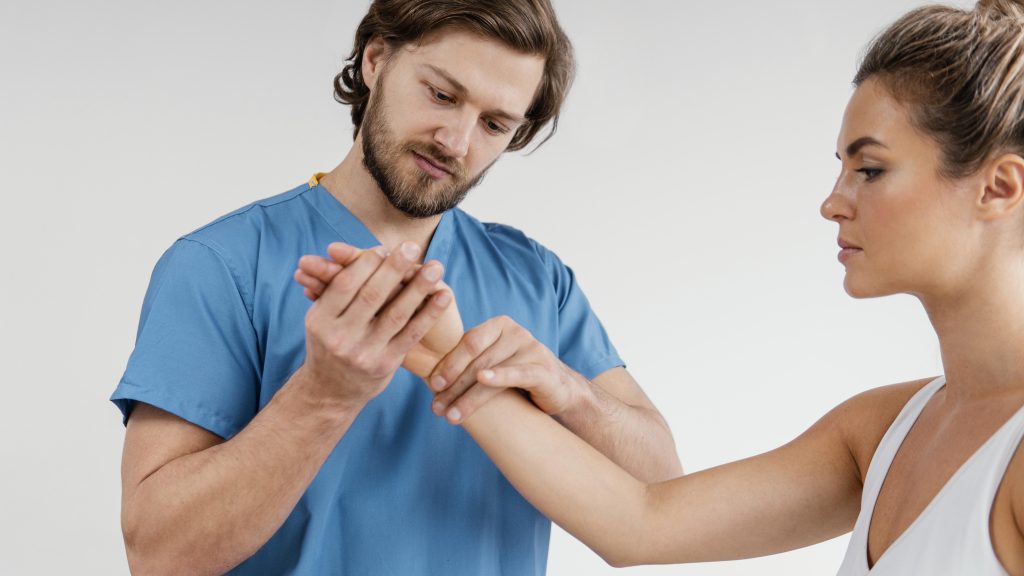
The thumb is unique because it has a wider range of motion than the other fingers. Unlike the remaining fingers, the thumb can move across the palm, allowing humans to grasp, pinch, and hold objects with remarkable precision.
The thumb consists of two bones connected by joints that work together with muscles, ligaments, tendons, cartilage, and nerves. The most important joint is located at the base of the thumb, where it meets the wrist. This joint is called the carpometacarpal (CMC) joint and allows the thumb to move in multiple directions.
Because the thumb performs countless gripping and pinching movements every day, the CMC joint experiences significant mechanical stress. Over time, this repeated pressure may lead to cartilage damage, tendon irritation, or joint inflammation.
Pain may also develop in the metacarpophalangeal (MCP) joint, which connects the thumb to the hand, or the interphalangeal (IP) joint near the thumb tip. The location of the pain often provides valuable clues about its underlying cause.
Common Causes of Thumb Joint Pain
One of the leading causes of thumb joint pain is osteoarthritis. This degenerative joint disease gradually wears away the protective cartilage covering the joint surfaces. As cartilage deteriorates, the bones begin rubbing against each other, causing pain, stiffness, swelling, and reduced movement. Thumb arthritis most commonly affects the base of the thumb and becomes more frequent with advancing age.
Rheumatoid arthritis is another important cause. Unlike osteoarthritis, rheumatoid arthritis is an autoimmune disease in which the immune system attacks healthy joint tissue. This condition commonly affects both hands and causes pain, warmth, swelling, and prolonged morning stiffness.
De Quervain’s tenosynovitis is a common tendon disorder affecting the thumb side of the wrist. The tendons controlling thumb movement become inflamed, causing pain whenever the thumb is moved, grasped, or twisted. New parents frequently develop this condition because of repetitive lifting of infants.
Trigger thumb develops when inflammation narrows the tendon sheath, making smooth tendon movement difficult. The thumb may catch, click, or lock during movement before suddenly releasing with discomfort.
Ligament injuries can also produce significant thumb joint pain. A sprained thumb often occurs during falls, sports injuries, skiing accidents, or activities that force the thumb backward. Severe ligament injuries may cause instability and weakness.
Fractures involving the thumb bones may occur after direct trauma or falls onto an outstretched hand. Broken thumbs usually produce immediate pain, swelling, bruising, and difficulty moving the joint.
Repetitive strain injuries are increasingly common among people who spend long hours typing, gaming, texting, or performing manual labor. Continuous gripping and repetitive thumb movements gradually irritate the joints and surrounding tendons.
Gout may occasionally affect the thumb joint. This condition occurs when uric acid crystals accumulate inside the joint, causing sudden severe pain, redness, swelling, and warmth.
Psoriatic arthritis may also involve the thumb joints, especially in individuals with psoriasis. Chronic inflammation gradually damages the joints if left untreated.
Less commonly, bacterial infections may affect the thumb joint following cuts, puncture wounds, or surgery. These infections require urgent medical treatment to prevent permanent damage.
Symptoms That May Accompany Thumb Joint Pain

Thumb joint pain often develops alongside other symptoms that help identify the underlying condition.
Many people notice aching that worsens while gripping, pinching, opening jars, turning keys, or lifting heavy objects. Others experience sharp pain whenever they bend or straighten the thumb.
Swelling around the joint is a common sign of inflammation. The thumb may appear larger than usual and feel tender when touched.
Morning stiffness commonly occurs in people with arthritis. The joint may require several minutes of movement before becoming comfortable.
Some individuals hear or feel clicking, popping, or grinding sensations during thumb movement. These symptoms often occur when cartilage becomes worn or tendons become inflamed.
Reduced grip strength may make everyday activities more difficult. Holding cups, carrying grocery bags, or using kitchen utensils may become uncomfortable.
Warmth and redness around the joint often indicate active inflammation or infection.
Trigger thumb frequently causes the thumb to lock temporarily before suddenly straightening with a noticeable snap.
Advanced arthritis may eventually produce visible deformities affecting the appearance and function of the thumb.
Occasionally, numbness or tingling develops if nearby nerves become compressed.
Who Is Most at Risk?

Although thumb joint pain can affect anyone, several factors increase the likelihood of developing the condition.
Older adults are more likely to experience thumb arthritis because cartilage naturally wears down over time.
Women develop thumb arthritis more frequently than men, particularly after menopause.
People whose occupations involve repetitive gripping or pinching are at greater risk. Office workers, mechanics, plumbers, electricians, carpenters, dentists, healthcare professionals, cooks, musicians, and hairdressers often place repeated stress on the thumb joints.
Athletes participating in skiing, basketball, volleyball, climbing, tennis, golf, or weightlifting may experience thumb injuries more often because of repeated impacts and forceful gripping.
Individuals with diabetes have a higher risk of tendon disorders, including trigger thumb.
People with rheumatoid arthritis, gout, or psoriatic arthritis are more likely to develop chronic thumb joint inflammation.
Obesity contributes to increased inflammation throughout the body and may accelerate joint degeneration.
A previous thumb injury can increase the risk of developing arthritis later in life.
How Doctors Diagnose Thumb Joint Pain

Diagnosis begins with a detailed discussion of your symptoms and medical history. Your healthcare provider will ask when the pain started, whether it followed an injury, which activities worsen the discomfort, and whether swelling or stiffness is present.
During the physical examination, the doctor evaluates thumb movement, grip strength, tenderness, joint stability, and range of motion. Specific movement tests may help identify arthritis, tendon injuries, or ligament damage.
X-rays are commonly performed to detect fractures, arthritis, bone spurs, and joint narrowing.
Ultrasound examinations allow doctors to visualize tendons, ligaments, and soft tissue inflammation in real time.
MRI scans provide highly detailed images of cartilage, tendons, ligaments, muscles, nerves, and surrounding structures when more information is required.
Blood tests may be recommended if autoimmune diseases such as rheumatoid arthritis or conditions like gout are suspected. These tests help identify inflammation and abnormal immune activity.
In rare situations where infection is suspected, joint fluid may be collected and analyzed to identify bacteria or uric acid crystals.
Why Early Diagnosis Matters

Many people ignore thumb joint pain until everyday activities become difficult. Unfortunately, delaying treatment may allow underlying conditions to progress. Untreated arthritis can gradually damage cartilage and permanently reduce thumb movement, while untreated tendon injuries may lead to chronic stiffness and weakness.
Early diagnosis allows healthcare providers to identify the exact cause of pain before permanent damage occurs. Whether the problem is arthritis, tendonitis, trigger thumb, ligament injury, fracture, or nerve compression, timely treatment greatly improves the chances of full recovery and long-term hand function.
Effective Treatments
The treatment for thumb joint pain depends on the underlying cause, the severity of the symptoms, and how much the condition affects daily activities. In many cases, early treatment helps reduce pain, improve movement, and prevent long-term joint damage. While some people recover with simple home care, others may require medications, physical therapy, or surgical intervention.
If overuse is responsible for the pain, resting the thumb is usually the first recommendation. Reducing repetitive activities such as typing, texting, gaming, lifting heavy objects, or prolonged gripping allows inflamed tissues to heal naturally. Taking regular breaks during work can also reduce ongoing stress on the joint.
Applying ice during the first 24 to 48 hours after the pain begins can help reduce swelling and inflammation. A cold pack wrapped in a towel should be placed over the painful area for about 15 to 20 minutes several times each day. Once swelling decreases, warm compresses may help improve blood circulation and relieve stiffness, especially in people with arthritis.
Over-the-counter pain relievers such as acetaminophen or nonsteroidal anti-inflammatory drugs (NSAIDs) are commonly used to reduce discomfort. These medications can provide temporary relief, but they should be taken only as directed or under the advice of a healthcare professional.
Thumb splints or braces are often recommended for arthritis, tendonitis, and ligament injuries. Wearing a supportive splint helps stabilize the joint, reduce painful movement, and promote healing. Some people only need to wear the splint during activities, while others benefit from using it at night.
People with rheumatoid arthritis or psoriatic arthritis may require prescription medications that reduce inflammation and slow disease progression. Early treatment of these autoimmune conditions can protect the joints from permanent damage and improve long-term function.
De Quervain’s tenosynovitis often responds well to activity modification, splinting, anti-inflammatory medications, and physical therapy. If symptoms continue despite conservative treatment, corticosteroid injections may be recommended to reduce inflammation around the affected tendons.
Trigger thumb may also improve with splinting and corticosteroid injections. When the thumb repeatedly locks despite treatment, a minor surgical procedure may be performed to release the tendon sheath and restore smooth movement.
If gout is responsible for the pain, medications that lower uric acid levels may be prescribed to prevent future attacks. During an acute episode, anti-inflammatory medications help reduce pain and swelling.
Physical or occupational therapy plays an important role in recovery. A therapist can teach strengthening exercises, stretching techniques, and joint protection strategies that improve thumb function while reducing future injuries.
Severe ligament tears, fractures, advanced arthritis, or failed conservative treatment may require surgery. Depending on the condition, surgical procedures may involve ligament repair, tendon reconstruction, joint fusion, or joint replacement.
Home Remedies
Many people experience significant relief from thumb joint pain through simple home care techniques.
Resting the thumb while avoiding activities that trigger pain gives inflamed tissues time to recover. Although complete immobilization is rarely necessary, limiting repetitive movements can speed healing.
Keeping the hand elevated above heart level during periods of swelling may reduce fluid buildup around the joint.
Gentle thumb stretching exercises performed after the acute pain subsides help improve flexibility and reduce stiffness. Movements should always remain comfortable and should never force the joint beyond its natural range.
Maintaining good hydration supports healthy cartilage and overall joint function. Drinking enough water also helps maintain soft tissue health throughout the body.
A nutritious diet rich in fruits, vegetables, lean proteins, whole grains, nuts, seeds, and healthy fats provides nutrients that support tissue repair while helping reduce inflammation.
Maintaining a healthy body weight may also reduce inflammation associated with arthritis and other chronic conditions.
Some individuals find that ergonomic keyboards, supportive computer equipment, and adaptive tools reduce strain on the thumb during work and daily activities.
Avoiding smoking is another important lifestyle change because tobacco reduces blood circulation and slows tissue healing.
Possible Complications

Ignoring thumb joint pain may allow the underlying condition to worsen over time.
Untreated osteoarthritis gradually destroys cartilage, causing increasing pain, stiffness, and loss of thumb movement.
Rheumatoid arthritis may permanently damage the joints if inflammation remains uncontrolled.
Untreated tendon disorders such as De Quervain’s tenosynovitis or trigger thumb may lead to chronic pain and reduced hand function.
Severe ligament injuries may heal improperly, leaving the thumb unstable and weak during gripping activities.
Fractures that do not heal correctly may result in chronic pain, arthritis, and reduced movement.
Persistent thumb weakness may make simple daily activities such as writing, cooking, dressing, carrying objects, or opening containers increasingly difficult.
Joint infections can rapidly damage cartilage and surrounding tissues if treatment is delayed, making early medical attention essential.
Prevention
Although not every case of thumb joint pain can be prevented, healthy habits significantly reduce the risk.
Using proper hand posture while typing, writing, or texting minimizes unnecessary stress on the thumb joints.
Taking frequent breaks during repetitive work allows muscles and tendons to recover before fatigue develops.
Performing regular hand and thumb stretching exercises improves flexibility and reduces stiffness.
Using ergonomic tools and maintaining proper workstation setup can reduce repetitive strain injuries.
Wearing protective equipment during sports and physically demanding work helps prevent thumb injuries.
Maintaining good control of chronic conditions such as diabetes, rheumatoid arthritis, and gout lowers the likelihood of joint complications.
Eating a balanced diet rich in calcium, vitamin D, and anti-inflammatory foods supports healthy bones and joints.
Regular physical activity improves circulation, strengthens muscles, and helps maintain healthy joint mobility.
Avoiding smoking and limiting alcohol intake contribute to healthier connective tissues and better long-term healing.
Seeking prompt medical care after thumb injuries helps prevent long-term complications.
When to See a Doctor
Mild thumb pain caused by temporary overuse often improves within several days of rest and home treatment. However, medical evaluation is recommended if the pain lasts longer than two weeks, repeatedly returns, or gradually becomes more severe.
You should seek immediate medical attention if the thumb becomes severely swollen, appears deformed, cannot be moved, or if pain develops after a major fall or accident.
Redness, warmth, pus, fever, or severe swelling may indicate an infection requiring urgent treatment.
Sudden numbness, tingling, or weakness affecting the thumb should also be evaluated because nerve compression or serious injury may be present.
Individuals with rheumatoid arthritis, diabetes, gout, or weakened immune systems should consult their healthcare provider promptly if new thumb pain develops.
Frequently Asked Questions

Many people ask whether thumb joint pain can occur without an injury. The answer is yes. Arthritis, tendonitis, repetitive strain, trigger thumb, gout, and autoimmune diseases commonly cause pain without any obvious trauma.
Another common question is whether smartphone use can cause thumb pain. Frequent texting, scrolling, and gaming place repeated stress on the thumb tendons and joints, which may lead to overuse injuries over time.
People also wonder whether thumb arthritis can be cured. Although osteoarthritis cannot be completely reversed, early treatment can effectively reduce pain, improve movement, and slow disease progression.
Many patients ask how long recovery takes. Mild overuse injuries often improve within a few weeks, while chronic conditions such as arthritis require ongoing management to control symptoms and maintain hand function.
Final Thoughts
Thumb joint pain is a common condition that may result from arthritis, tendonitis, ligament injuries, trigger thumb, repetitive strain, fractures, gout, or autoimmune diseases. Because the thumb is essential for gripping, pinching, and performing everyday activities, even mild pain can significantly affect quality of life.
Most people recover successfully when the underlying cause is identified early and appropriate treatment begins promptly. Resting the thumb, reducing inflammation, performing rehabilitation exercises, and following healthy lifestyle habits often provide lasting relief. More advanced conditions may require prescription medications, injections, or surgery to restore normal function.
If your thumb joint pain persists despite home care, limits your ability to use your hand, or is accompanied by severe swelling, deformity, numbness, or fever, consult a healthcare professional for a complete evaluation. Early diagnosis and proper treatment can protect your thumb joint, reduce pain, improve mobility, and help you return to your normal daily activities with confidence.