

Why Is My Hearing So Sensitive? Causes, Symptoms, and Effective Ways to Find Relief
Have you ever felt like everyday sounds suddenly seem painfully loud? The sound of dishes clattering, a barking dog, traffic noise, or even someone speaking at a normal volume may feel overwhelming. If you’re asking yourself, “Why is my hearing so sensitive?“, you’re not alone. Increased sensitivity to sound is a common issue that can affect people of all ages and significantly impact daily life.
Sensitive hearing, medically known as hyperacusis, is a condition where the brain perceives ordinary sounds as excessively loud or uncomfortable. While some cases are temporary and resolve on their own, others may indicate an underlying medical condition that requires evaluation and treatment.
In this guide, you’ll learn what causes sensitive hearing, the symptoms to watch for, how it’s diagnosed, treatment options, home remedies, and when it’s time to seek medical advice.
What Does Sensitive Hearing Mean?
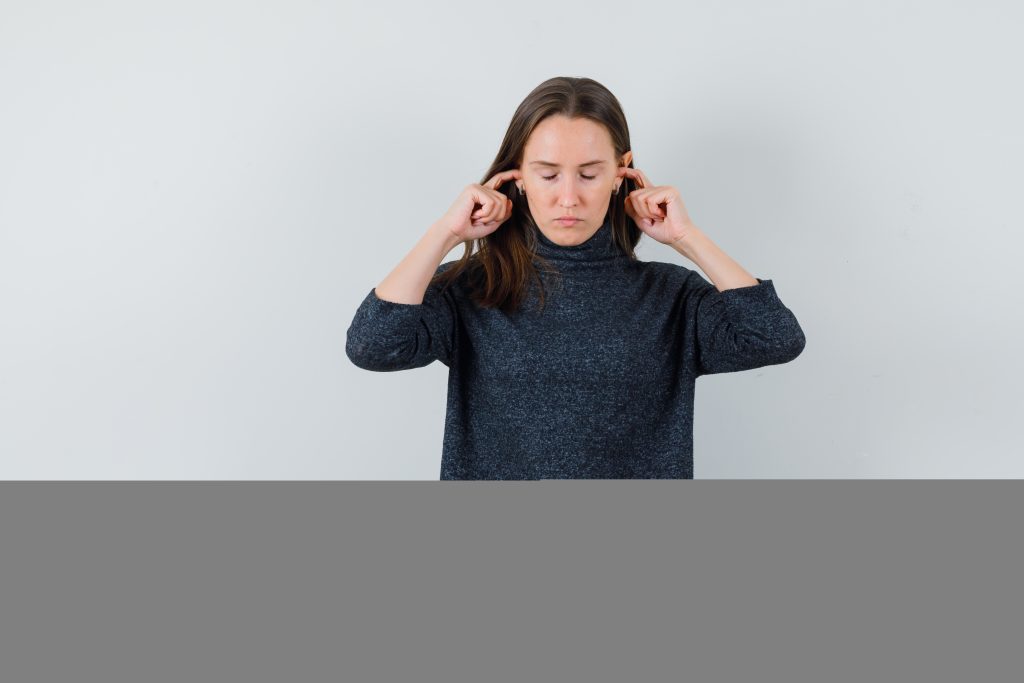
Sensitive hearing refers to an abnormal intolerance to everyday sounds. Instead of processing normal environmental noise comfortably, the ears and brain react as though these sounds are much louder than they actually are.
People with sensitive hearing often find themselves avoiding noisy environments because ordinary sounds can become painful, stressful, or even frightening. This condition differs from having excellent hearing. Someone with hyperacusis isn’t hearing better—they’re processing sound differently.
Common Symptoms of Sensitive Hearing
The symptoms of sound sensitivity vary from person to person. Some individuals experience mild discomfort, while others develop severe reactions to normal sounds.
Common symptoms include:
Feeling pain or discomfort from everyday sounds
Difficulty tolerating conversations in busy places
Sensitivity to high-pitched noises
Ringing in the ears (tinnitus)
Ear fullness or pressure
Headaches after exposure to loud sounds
Anxiety around noisy environments
Difficulty concentrating
Fatigue caused by constant sound exposure
Some people experience symptoms in only one ear, while others notice sensitivity in both ears.
What Causes Hearing to Become So Sensitive?
There are many possible reasons why hearing becomes unusually sensitive. Identifying the underlying cause is essential because treatment depends on the source of the problem.
Hyperacusis

Hyperacusis is one of the most common causes of sound sensitivity. The brain increases the volume of incoming sounds, making normal noises seem painfully loud.
Researchers believe this occurs because the central auditory system becomes overly responsive after injury, illness, or nerve dysfunction.
Exposure to Loud Noise
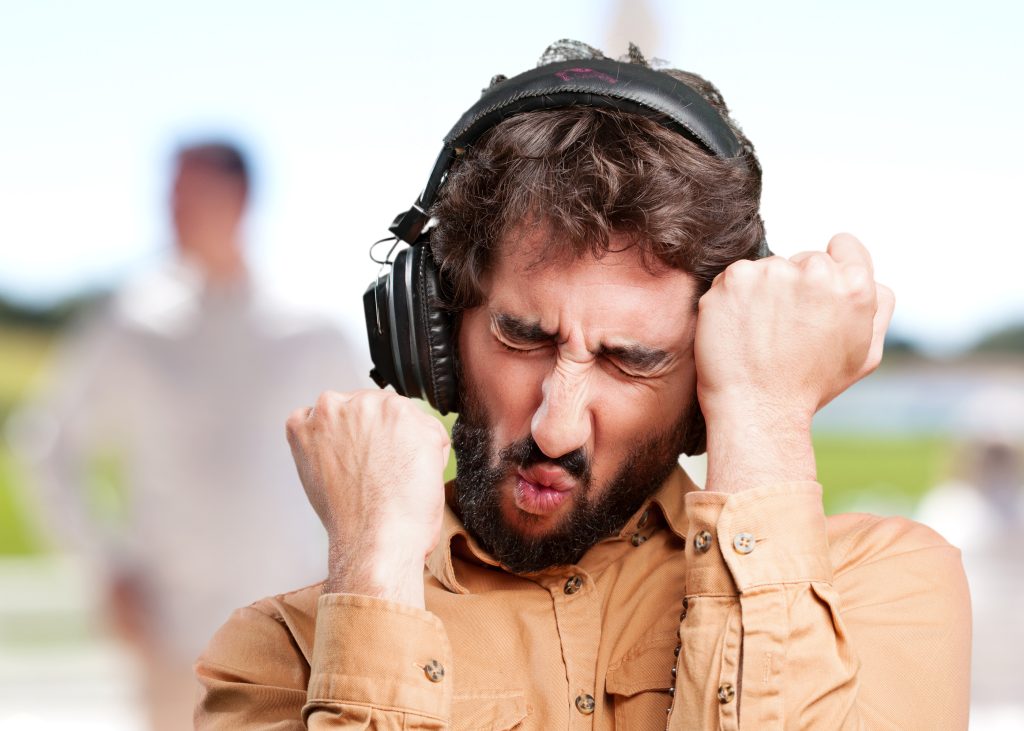
Spending long periods around loud music, construction equipment, machinery, concerts, or headphones at high volume can damage the tiny hair cells inside the inner ear.
Ironically, hearing damage may cause increased sound sensitivity rather than hearing loss alone.
Ear Infections

Middle ear or inner ear infections can temporarily affect how sound is processed.
Inflammation and fluid buildup may create unusual sensitivity until the infection clears.
Migraine

Many people with migraines become extremely sensitive to sound during an attack.
Even normal conversations or household noises can worsen headache symptoms.
Some individuals experience sound sensitivity even before the migraine begins.
Tinnitus
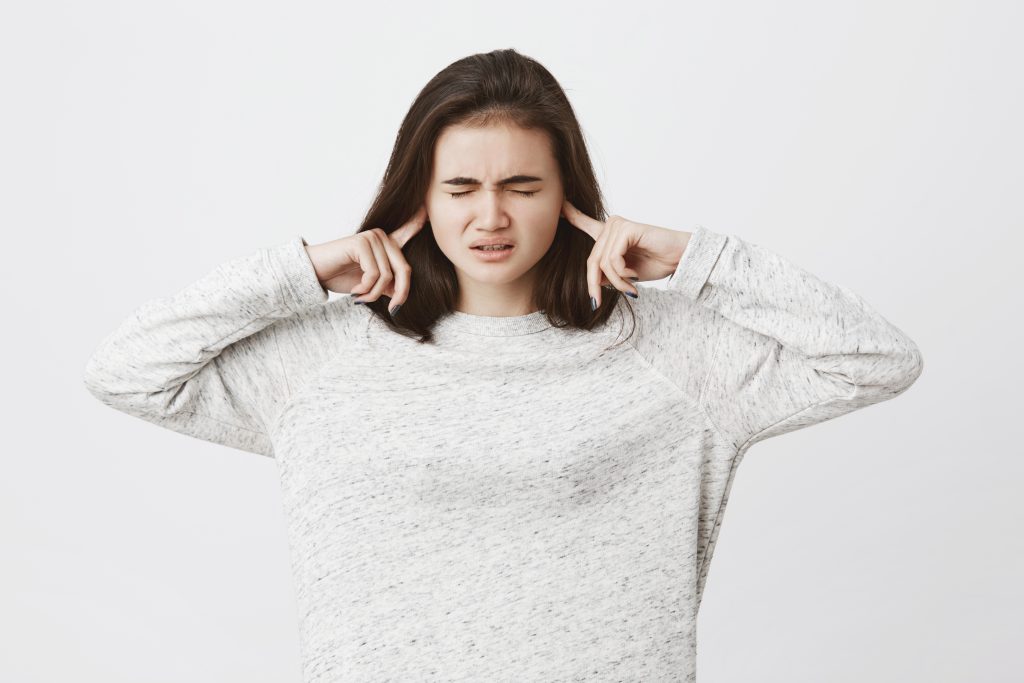
Tinnitus causes ringing, buzzing, or humming in the ears.
Many people with tinnitus also develop hyperacusis because the auditory system becomes more reactive to sound.
Head Injury
A concussion or traumatic brain injury can affect the nerves responsible for hearing.
After a head injury, patients sometimes report that everyday sounds seem painfully loud.
Bell’s Palsy
Bell’s palsy affects the facial nerve, including a tiny muscle inside the middle ear that helps control sound intensity.
When this muscle weakens, sounds may appear much louder than normal.
Ménière’s Disease
Ménière’s disease affects the inner ear and commonly causes:
Vertigo
Hearing loss
Ear fullness
Tinnitus
Sound sensitivity
Symptoms often come and go in episodes.
Stress and Anxiety
Mental health can influence the way the brain processes sensory information.
High levels of anxiety or chronic stress may increase awareness of sounds, making everyday environments feel overwhelming.
Autism Spectrum Disorder
Many individuals with autism experience heightened sensory processing, including increased sensitivity to sound.
Certain noises that others barely notice may become extremely uncomfortable.
Certain Medications
Some medications may temporarily affect hearing or make sounds seem louder.
These include certain antibiotics, chemotherapy drugs, aspirin in high doses, and some diuretics.
Never stop taking prescribed medication without consulting your healthcare provider.
Risk Factors
Several factors increase the likelihood of developing sensitive hearing.
People who frequently work in noisy environments, have a history of ear infections, experience migraines, suffer head injuries, or have tinnitus may be at greater risk. Chronic stress, anxiety disorders, and certain neurological conditions can also contribute to sound sensitivity.
How Doctors Diagnose Sensitive Hearing
A healthcare provider begins by asking about your symptoms, medical history, and recent exposure to loud sounds.
Your evaluation may include:
A physical examination of the ears
A hearing test (audiogram)
Loudness discomfort level testing
Tympanometry to assess middle ear function
Imaging studies if a neurological condition is suspected
Blood tests if infection or autoimmune disease is considered
Proper diagnosis helps determine whether hyperacusis is the primary condition or whether another medical problem is causing your symptoms.
Treatment for Sensitive Hearing
Treatment depends on the underlying cause.
If an ear infection is responsible, antibiotics or other medications may relieve symptoms once the infection resolves.
People with hyperacusis often benefit from sound therapy, which gradually retrains the brain to tolerate normal sounds again.
Hearing specialists may recommend wearable sound generators that expose the ears to gentle background noise over time.
When migraines cause sound sensitivity, managing migraine triggers and using appropriate medications often reduces symptoms.
Individuals experiencing anxiety-related sound sensitivity may improve with stress management techniques, counseling, or cognitive behavioral therapy.
If medications contribute to the problem, a healthcare provider may recommend alternatives when appropriate.
In cases related to neurological conditions, treatment focuses on managing the underlying disorder.
Home Remedies to Reduce Sound Sensitivity
Although home care cannot cure every cause of sensitive hearing, several strategies may help improve comfort.
Protect your ears from extremely loud environments but avoid wearing earplugs constantly because excessive protection may increase sound sensitivity over time.
Listen to soft background sounds such as nature recordings or white noise to help the brain become accustomed to normal sound levels.
Practice relaxation exercises, deep breathing, meditation, or yoga to reduce stress.
Get adequate sleep each night since fatigue can worsen sensory sensitivity.
Limit caffeine and alcohol if they seem to increase symptoms.
Keep headphone volume below 60 percent and avoid listening for extended periods.
Take regular breaks if you work in noisy environments.
Can Sensitive Hearing Go Away?
Yes, in many cases.
If hearing sensitivity results from an ear infection, temporary inflammation, or recent loud noise exposure, symptoms often improve within days or weeks after the underlying problem resolves.
However, chronic hyperacusis or neurological conditions may require ongoing treatment and sound therapy for lasting improvement.
Early diagnosis generally leads to better outcomes.
When Should You See a Doctor?

You should seek medical attention if sensitive hearing lasts longer than a few days, becomes progressively worse, or interferes with daily activities.
Immediate medical evaluation is recommended if sound sensitivity develops after a head injury or is accompanied by sudden hearing loss, severe dizziness, facial weakness, persistent ear pain, or fluid draining from the ear.
Prompt treatment can help prevent complications and identify serious underlying conditions.
Tips to Protect Your Hearing

Maintaining healthy hearing habits can reduce your risk of future hearing problems.
Wear hearing protection around loud machinery or concerts, keep personal listening devices at safe volume levels, avoid inserting objects into your ears, treat ear infections promptly, manage stress effectively, and schedule hearing evaluations if you notice persistent changes in hearing.
Healthy hearing depends on protecting both the ears and the brain’s ability to process sound correctly.
Final Thoughts
If you’ve been wondering, “Why is my hearing so sensitive?”, the answer isn’t always straightforward. Sensitive hearing can result from temporary issues like ear infections or noise exposure, but it may also be linked to conditions such as hyperacusis, migraines, tinnitus, stress, or neurological disorders.
The good news is that many people experience significant improvement once the underlying cause is identified and treated. If everyday sounds have become uncomfortable or painful, don’t ignore the symptoms. A hearing specialist or healthcare provider can perform the necessary tests, determine the cause, and recommend the most effective treatment plan to help you return to comfortable, everyday listening.