Exercise Equipment for Lower Back Pain: Best Tools for Safe Pain Relief
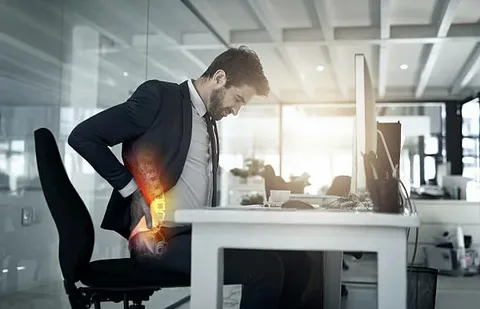
Lower back pain is one of the most common musculoskeletal problems affecting millions of people worldwide. Whether caused by poor posture, prolonged sitting, muscle strain, or underlying conditions, lower back pain can interfere with daily activities and reduce quality of life.
Fortunately, the right exercise equipment can help strengthen muscles, improve flexibility, support recovery, and reduce pain. Regular exercise combined with appropriate equipment can play a vital role in managing lower back pain and preventing future episodes.
This article explores the best exercise equipment for lower back pain, their benefits, and how to use them safely.
What Causes Lower Back Pain?

Lower back pain can develop for many reasons. Some of the most common causes include:
- Poor posture while sitting or standing
- Muscle strain or ligament sprain
- Prolonged sitting at a desk
- Weak core muscles
- Herniated or bulging discs
- Sciatica
- Arthritis
- Obesity and excess body weight
- Sedentary lifestyle
- Improper lifting techniques
Understanding the underlying cause of your back pain is essential before beginning any exercise program.
How Exercise Equipment Helps Lower Back Pain
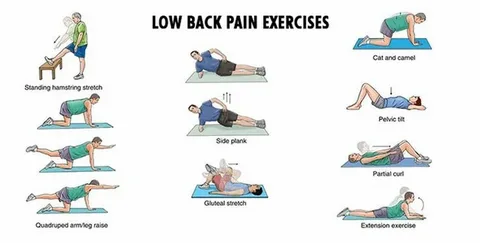
Using exercise equipment appropriately can provide several benefits, including:
- Strengthening core and back muscles
- Improving spinal stability
- Enhancing flexibility and mobility
- Reducing stiffness
- Promoting proper posture
- Increasing blood circulation
- Supporting rehabilitation after injury
- Decreasing the risk of recurring pain
Always consult a healthcare professional or physiotherapist before starting new exercises if your pain is severe or persistent.
Best Exercise Equipment for Lower Back Pain
Below are some of the most effective exercise tools for relieving and managing lower back pain.
1. Stability Ball (Exercise Ball)
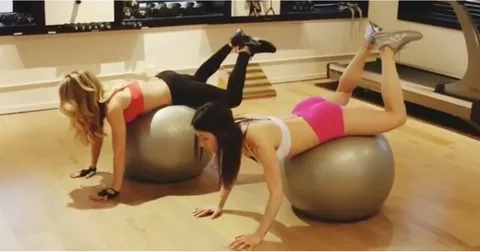
A stability ball is one of the most versatile pieces of equipment for lower back rehabilitation.
Benefits:
- Strengthens core muscles
- Improves balance and coordination
- Enhances posture
- Increases spinal stability
Recommended Exercises:
- Pelvic tilts
- Ball bridges
- Wall squats
- Bird dog exercise
- Seated balance exercises
Safety Tips:
- Choose the correct ball size.
- Keep movements slow and controlled.
- Maintain proper posture throughout exercises.
2. Resistance Bands
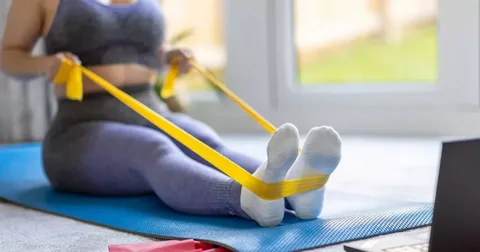
Resistance bands are affordable, portable, and highly effective for strengthening muscles that support the lower back.
Benefits:
- Builds core strength
- Improves flexibility
- Provides low-impact resistance
- Suitable for beginners
Best Resistance Band Exercises:
- Seated rows
- Clamshells
- Standing hip abduction
- Lateral walks
- Pallof press
Why Physiotherapists Recommend Resistance Bands:
Resistance bands allow gradual progression without placing excessive stress on the spine.
3. Exercise Bike
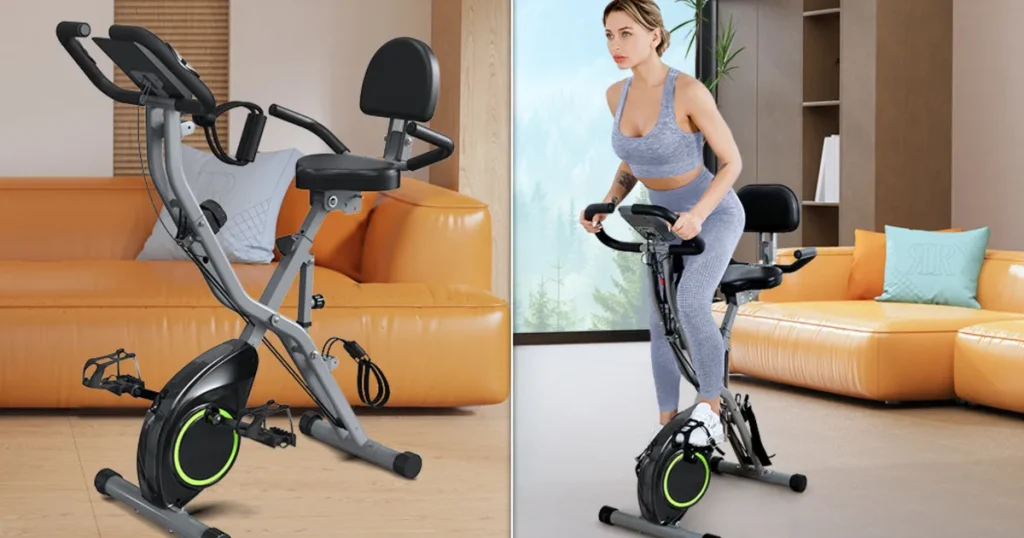
Stationary bikes offer a low-impact cardiovascular workout while minimizing stress on joints and the lower back.
Benefits:
- Improves cardiovascular health
- Increases blood flow to muscles
- Helps maintain healthy body weight
- Provides low-impact exercise
Types of Bikes:
Upright Bike
Suitable for individuals with mild back pain and good posture.
Recumbent Bike
Often considered the best choice for people with chronic lower back pain because it provides:
- Better lumbar support
- Reduced spinal compression
- More comfortable seating position
Important Considerations:
- Adjust seat height properly.
- Keep your back supported.
- Avoid excessive forward bending.
4. Foam Roller
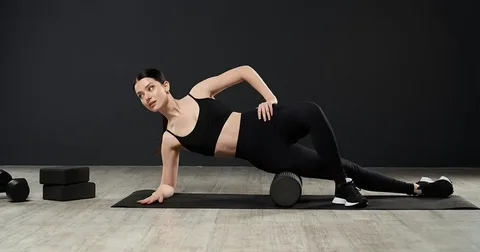
Foam rollers are widely used for self-myofascial release and muscle recovery.
Benefits:
- Reduces muscle tightness
- Improves flexibility
- Enhances circulation
- Relieves tension in surrounding muscles
Areas to Target:
- Glutes
- Hamstrings
- Hip flexors
- Upper back
Avoid:
Rolling directly over the lower spine, especially if pain is severe.
5. Walking Pad or Treadmill
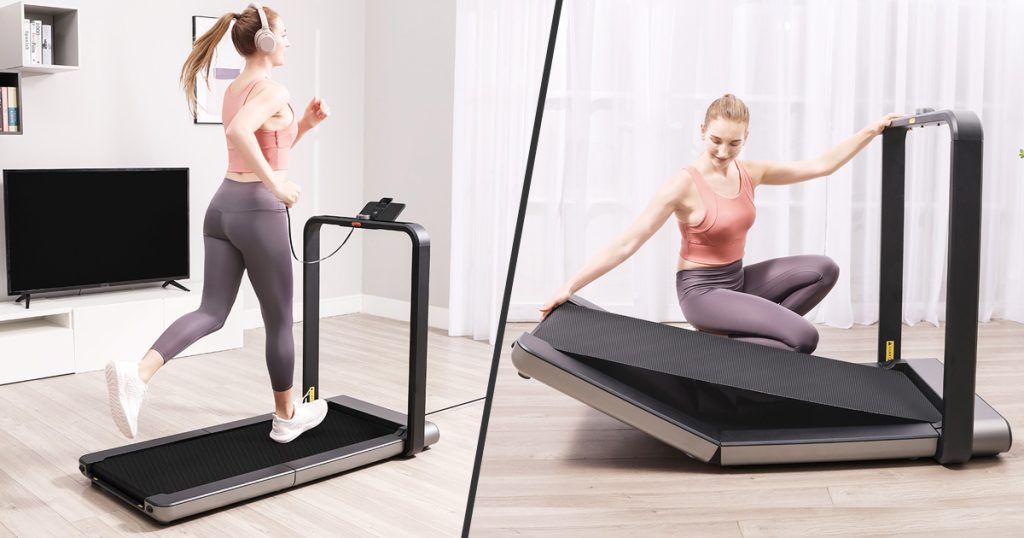
Walking is often one of the safest and most effective activities for lower back pain.
Benefits:
- Improves mobility
- Strengthens supporting muscles
- Promotes weight management
- Enhances circulation
Treadmill Tips:
- Walk at a comfortable pace.
- Keep posture upright.
- Avoid holding onto rails continuously.
- Wear supportive footwear.
Start with short sessions of 10 to 15 minutes and gradually increase duration.
6. Pilates Reformer
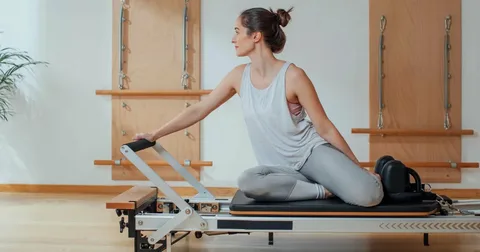
Pilates equipment, particularly the reformer machine, is frequently used during physiotherapy rehabilitation.
Benefits:
- Strengthens deep core muscles
- Improves posture
- Enhances flexibility
- Encourages controlled movements
Pilates May Help Improve:
- Chronic lower back pain
- Core weakness
- Poor spinal alignment
A certified instructor should supervise beginners.
7. Inversion Table
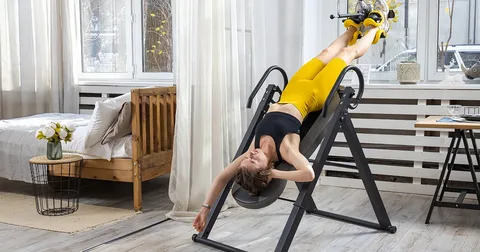
An inversion table allows users to hang at varying angles to decompress the spine.
Potential Benefits:
- Temporary reduction in spinal pressure
- Stretching of back muscles
- Relief from muscle tension
However:
Research on inversion therapy remains mixed.
Avoid Inversion Therapy If You Have:
- High blood pressure
- Heart disease
- Glaucoma
- Pregnancy
Always seek professional advice before using inversion tables.
Exercise Equipment to Avoid With Lower Back Pain
Certain equipment may worsen symptoms, especially when used incorrectly.
Use Caution With:
- Heavy leg press machines
- High-impact treadmills
- Heavy free weights
- Twisting abdominal machines
- Deep squats with excessive weight
Poor technique significantly increases injury risk.
Tips for Using Exercise Equipment Safely
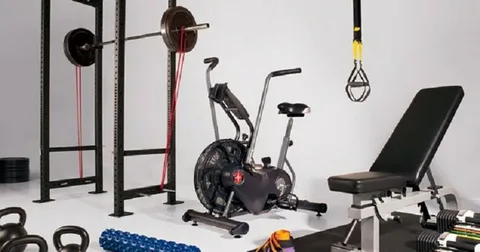
Follow these guidelines to reduce the risk of aggravating your pain:
- Warm up for at least 5 to 10 minutes.
- Start with low resistance.
- Focus on proper form.
- Progress gradually.
- Stop if sharp pain occurs.
- Stretch after exercising.
- Stay hydrated.
- Maintain consistent exercise habits.
Sample Weekly Exercise Routine
Monday
- Walking: 20 minutes
- Resistance band exercises: 15 minutes
Tuesday
- Stability ball exercises: 20 minutes
- Gentle stretching: 10 minutes
Wednesday
- Rest or light walking
Thursday
- Recumbent bike: 20 minutes
- Core strengthening exercises: 15 minutes
Friday
- Pilates exercises: 20 minutes
Saturday
- Walking or swimming: 30 minutes
Sunday
- Recovery and stretching
When to See a Physiotherapist
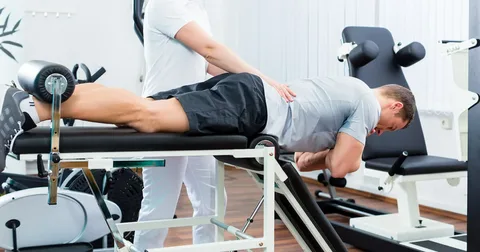
Seek professional medical advice if you experience:
- Severe or worsening pain
- Pain lasting longer than a few weeks
- Numbness or tingling
- Leg weakness
- Difficulty walking
- Loss of bladder or bowel control
A physiotherapist can design an individualized treatment plan tailored to your condition.
Frequently Asked Questions (FAQs)
What is the best exercise equipment for lower back pain?
Recumbent bikes, stability balls, and resistance bands are among the most recommended options because they provide low-impact exercise while strengthening supportive muscles.
Is walking good for lower back pain?
Yes. Walking is generally considered one of the safest and most effective exercises for reducing lower back pain.
Can exercise equipment make back pain worse?
Yes. Incorrect technique, excessive resistance, or inappropriate equipment may aggravate symptoms.
Are resistance bands safe for people with back pain?
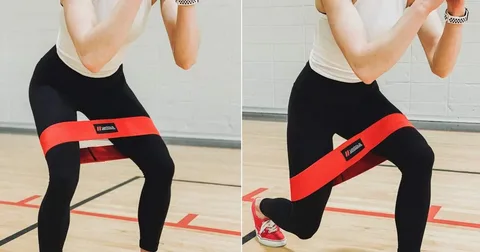
In most cases, yes. Resistance bands provide controlled, low-impact strengthening when used correctly.
Conclusion
The right exercise equipment can be a valuable part of managing lower back pain. Tools such as stability balls, resistance bands, recumbent bikes, foam rollers, and Pilates equipment can strengthen muscles, improve flexibility, and support long-term spinal health.
However, exercise should always be performed with proper technique and tailored to your individual needs. If symptoms persist or worsen, consulting a qualified physiotherapist is the best course of action.
With consistency, proper guidance, and the right equipment, many people can successfully reduce lower back pain and improve their overall quality of life.