
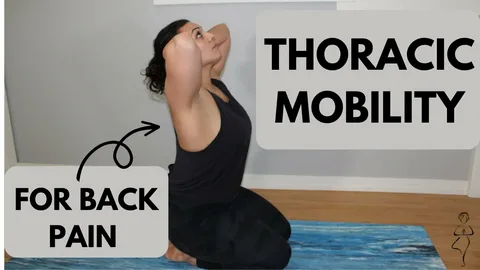
Stretching Exercises for Thoracic Back Pain: Improve Mobility and Reduce Discomfort
Thoracic back pain refers to discomfort or stiffness in the middle part of the spine, also known as the thoracic spine. This area extends from the base of the neck to the bottom of the rib cage. Unlike lower back pain, thoracic pain is often caused by poor posture, prolonged sitting, muscle tension, lack of movement, or repetitive activities.
Regular stretching exercises can help relieve thoracic back pain by improving flexibility, reducing muscle tightness, and restoring proper movement. In this guide, you’ll learn effective stretching exercises for thoracic back pain and tips to keep your mid-back healthy.
What Causes Thoracic Back Pain?
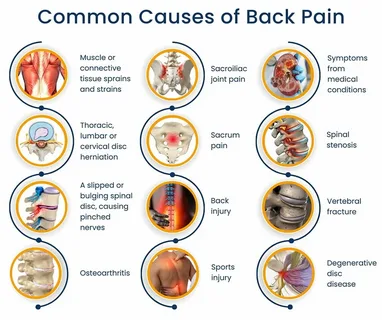
Several factors can contribute to pain in the thoracic region, including:
- Poor posture while sitting or working
- Long hours spent at a desk
- Muscle strain or overuse
- Weak back and core muscles
- Lack of physical activity
- Repetitive movements
- Carrying heavy bags or improper lifting
- Stress and muscle tension
- Spinal conditions such as kyphosis or scoliosis
Common symptoms include:
- Aching or stiffness in the middle back
- Pain between the shoulder blades
- Reduced flexibility
- Muscle tightness
- Pain that worsens after prolonged sitting
Benefits of Stretching for Thoracic Back Pain
Performing stretching exercises regularly may provide several benefits:
- Improves spinal mobility
- Reduces muscle tension and stiffness
- Enhances posture
- Increases flexibility
- Promotes blood circulation
- Relieves pain between the shoulder blades
- Reduces the risk of future injuries
- Improves overall movement and function
For best results, perform these stretches consistently and move gently without forcing your body.
Best Stretching Exercises for Thoracic Back Pain
1. Cat-Cow Stretch
The Cat-Cow stretch is one of the most effective exercises for improving thoracic spine mobility.
How to Perform:
- Start on your hands and knees.
- Keep your wrists under your shoulders and knees under your hips.
- Inhale and arch your back while lifting your chest and head (Cow position).
- Exhale and round your spine toward the ceiling (Cat position).
- Continue moving slowly between both positions.
Duration:
- Perform for 10–15 repetitions.
Benefits:
- Increases spinal flexibility
- Relieves stiffness
- Improves posture
2. Child’s Pose
Child’s Pose gently stretches the muscles of the middle and upper back.
How to Perform:
- Kneel on the floor.
- Sit back onto your heels.
- Extend your arms forward.
- Lower your chest toward the floor.
- Relax and breathe deeply.
Duration:
- Hold for 20–30 seconds.
- Repeat 3 times.
Benefits:
- Relaxes back muscles
- Reduces tension
- Improves flexibility
3. Thoracic Extension Over a Chair
This stretch targets the thoracic spine directly.
How to Perform:
- Sit on a sturdy chair with a low backrest.
- Place your hands behind your head.
- Lean backward over the chair while keeping your hips stable.
- Look toward the ceiling.
- Return to the starting position.
Repetitions:
- Perform 10 repetitions.
Benefits:
- Restores thoracic extension
- Counteracts poor posture
- Improves spinal mobility
4. Thread the Needle Stretch
This exercise helps reduce tension between the shoulder blades.
How to Perform:
- Begin on all fours.
- Slide your right arm underneath your left arm.
- Lower your shoulder and head toward the floor.
- Hold the stretch.
- Return to the starting position and switch sides.
Duration:
- Hold for 20–30 seconds per side.
- Repeat 2–3 times.
Benefits:
- Improves spinal rotation
- Reduces stiffness
- Stretches the upper and middle back
5. Seated Thoracic Rotation Stretch
Thoracic rotation is essential for daily activities.
How to Perform:
- Sit upright in a chair.
- Cross your arms over your chest.
- Slowly rotate your upper body to one side.
- Hold briefly and return to center.
- Repeat on the opposite side.
Repetitions:
- Perform 10 repetitions on each side.
Benefits:
- Enhances rotational mobility
- Relieves muscle tightness
- Supports healthy spinal movement
6. Open Book Stretch
The Open Book stretch improves thoracic mobility and chest flexibility.
How to Perform:
- Lie on your side with knees bent.
- Extend both arms straight in front of you.
- Slowly lift the top arm and rotate it across your body.
- Open your chest toward the ceiling.
- Return slowly.
Repetitions:
- Perform 10 repetitions per side.
Benefits:
- Improves thoracic rotation
- Stretches chest muscles
- Reduces stiffness
7. Doorway Chest Stretch
Tight chest muscles often contribute to poor posture and thoracic pain.
How to Perform:
- Stand in a doorway.
- Place your forearms on both sides of the frame.
- Step one foot forward gently.
- Lean your body slightly forward.
Duration:
- Hold for 20–30 seconds.
- Repeat 3 times.
Benefits:
- Opens the chest
- Improves posture
- Reduces upper back strain
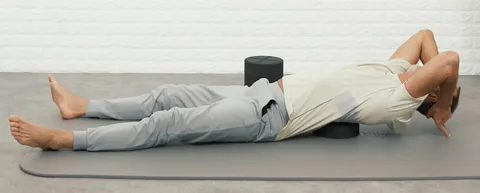
8. Foam Roller Thoracic Stretch
A foam roller can effectively mobilize the thoracic spine.
How to Perform:
- Lie on your back with a foam roller positioned under your upper back.
- Support your head with your hands.
- Gently lean backward over the roller.
- Return to neutral and repeat.
Repetitions:
- Perform 8–10 repetitions.
Benefits:
- Improves spinal extension
- Releases muscle tension
- Enhances mobility
9. Side Bend Stretch
This exercise stretches the muscles along the sides of the torso.
How to Perform:
- Stand with feet shoulder-width apart.
- Raise one arm overhead.
- Slowly bend toward the opposite side.
- Hold briefly and switch sides.
Duration:
- Hold for 20 seconds per side.
Benefits:
- Improves flexibility
- Relieves muscle tightness
- Enhances spinal mobility
10. Wall Angels
Wall Angels help strengthen postural muscles while stretching the chest.
How to Perform:
- Stand with your back against a wall.
- Place your arms in a goalpost position.
- Slowly raise and lower your arms while keeping them against the wall.
Repetitions:
- Perform 10–15 repetitions.
Benefits:
- Improves posture
- Strengthens upper back muscles
- Reduces thoracic discomfort
Tips for Safe Stretching

To avoid injury and maximize benefits:
- Warm up before stretching.
- Stretch slowly and gently.
- Never bounce during stretches.
- Breathe normally throughout each movement.
- Stop immediately if pain increases.
- Perform stretches consistently.
- Maintain proper posture during exercises.
Lifestyle Tips to Prevent Thoracic Back Pain
In addition to stretching, consider these healthy habits:
- Maintain good sitting posture.
- Take breaks every 30–60 minutes when sitting.
- Use an ergonomic workstation.
- Stay physically active.
- Strengthen your core muscles.
- Avoid carrying heavy loads improperly.
- Sleep on a supportive mattress.
- Manage stress levels.
When to See a Healthcare Professional

Seek medical attention if you experience:
- Severe or worsening pain
- Pain following an injury or accident
- Numbness or tingling
- Weakness in the arms or legs
- Difficulty breathing
- Unexplained weight loss
- Persistent pain lasting several weeks
A healthcare professional or physiotherapist can assess your condition and recommend an appropriate treatment plan.
Conclusion
Stretching exercises for thoracic back pain can be an effective way to reduce stiffness, improve mobility, and promote better posture. Incorporating exercises such as Cat-Cow, Child’s Pose, Thread the Needle, and Thoracic Extensions into your daily routine may help relieve discomfort and support long-term spinal health.
Consistency is key. Perform these stretches regularly, listen to your body, and combine stretching with healthy posture habits for the best results.