
Best Sleeping Positions for Lower Back Pain: A Complete Guide to Better Sleep and Pain Relief
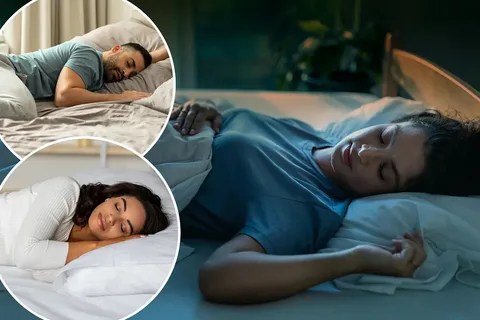
Lower back pain is one of the most common health complaints worldwide. It can make everyday activities difficult and significantly affect sleep quality. Many people struggle to find a comfortable position at night, often waking up with increased pain and stiffness. Fortunately, choosing the right sleeping position can help reduce pressure on the spine, improve spinal alignment, and promote better rest.
In this guide, we’ll explore the best sleeping positions for lower back pain, their benefits, and additional tips to help you sleep more comfortably.
Why Sleeping Position Matters for Lower Back Pain
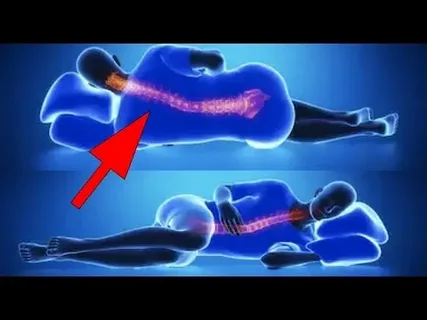
Your sleeping posture directly affects the alignment of your spine. Poor sleeping positions can place extra stress on the muscles, ligaments, and discs in the lower back, leading to increased pain and stiffness.
Benefits of maintaining a proper sleeping position include:
- Reducing pressure on the lower back
- Supporting the natural curve of the spine
- Minimizing muscle tension
- Improving sleep quality
- Preventing morning stiffness
- Promoting faster recovery from back pain
Best Sleeping Positions for Lower Back Pain
1. Sleeping on Your Back With a Pillow Under Your Knees
Sleeping on your back is often considered one of the best positions for lower back pain because it distributes body weight evenly and helps maintain spinal alignment.
How to Do It
- Lie flat on your back.
- Place a pillow underneath your knees.
- Keep your head supported with a comfortable pillow.
- Maintain a neutral spine position.
Benefits
- Reduces pressure on the lower back
- Supports the natural spinal curve
- Evenly distributes body weight
- Helps prevent unnecessary twisting
Additional Tip
For extra support, place a small rolled towel under the lower back.
2. Side Sleeping With a Pillow Between the Knees

Side sleeping is another excellent option, especially for people with chronic lower back pain.
How to Do It
- Lie on your side with your knees slightly bent.
- Place a firm pillow between your knees.
- Keep your shoulders, hips, and spine aligned.
Benefits
- Keeps the pelvis aligned
- Reduces stress on the lower back
- Prevents spinal twisting
- Improves overall comfort
Who May Benefit?
- Individuals with sciatica
- People with degenerative disc disease
- Pregnant women experiencing lower back pain
3. Fetal Position
The fetal position involves lying on your side with your knees gently drawn toward your chest.
How to Do It
- Lie on your side.
- Gently pull your knees toward your chest.
- Curl your torso slightly.
Benefits
- Opens space between the vertebrae
- Reduces pressure on spinal discs
- May relieve symptoms caused by herniated discs
Important Note
Avoid curling into a tight ball, as excessive bending may increase stiffness.
4. Sleeping on Your Side With Both Knees Bent
This modified side-sleeping position offers additional spinal support.
Steps
- Lie on either side.
- Bend both knees comfortably.
- Keep your back straight.
- Use supportive pillows as needed.
Benefits
- Maintains spinal alignment
- Reduces muscle tension
- Supports the hips and pelvis
5. Reclined Sleeping Position
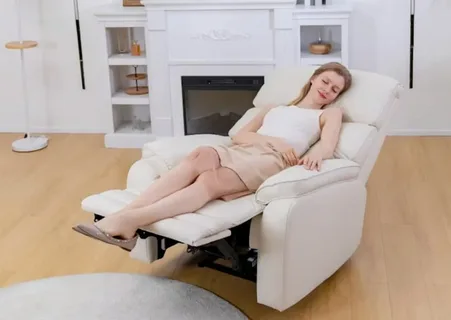
Sleeping in a slightly reclined position may help some individuals, particularly those with spinal conditions.
How to Do It
- Use an adjustable bed or reclining chair.
- Elevate the upper body slightly.
- Ensure the lower back remains supported.
Benefits
- Reduces pressure on spinal discs
- Supports the lumbar spine
- May improve comfort in individuals with spinal stenosis
Sleeping Positions to Avoid
Certain sleeping positions can worsen lower back pain.
Sleeping on Your Stomach
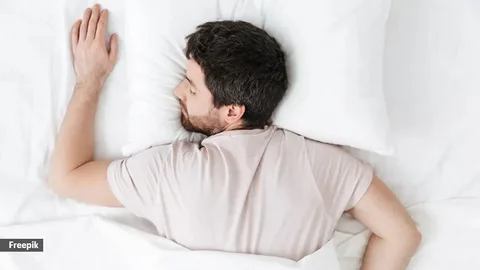
Stomach sleeping is generally not recommended because it places significant stress on the lower back and neck.
Problems Associated With Stomach Sleeping
- Increases pressure on the lumbar spine
- Forces the neck into an awkward position
- Flattens the natural spinal curve
- May cause muscle strain
If You Must Sleep on Your Stomach
Try these modifications:
- Place a pillow under your pelvis and lower abdomen.
- Use a thin pillow or no pillow under your head.
Choosing the Right Mattress for Lower Back Pain
Your mattress plays a crucial role in spinal health.
Features of a Good Mattress
- Medium-firm support
- Proper spinal alignment
- Pressure relief for hips and shoulders
- Adequate comfort without excessive sinking
Research suggests that medium-firm mattresses may provide the best balance between comfort and support for many individuals with lower back pain.
Signs Your Mattress May Be Causing Pain
- Waking up with stiffness or soreness
- Improved pain after getting out of bed
- Visible sagging or uneven surfaces
- Mattress older than 7–10 years
Selecting the Right Pillow
A supportive pillow can significantly improve sleeping posture.
Tips for Choosing a Pillow
- Use a pillow that keeps your head aligned with your spine.
- Side sleepers generally benefit from thicker pillows.
- Back sleepers often prefer medium-loft pillows.
- Replace worn-out pillows regularly.
Additional Tips for Sleeping With Lower Back Pain
Consider these strategies to improve sleep quality:
- Maintain a consistent sleep schedule.
- Stretch gently before bedtime.
- Avoid heavy meals late at night.
- Practice relaxation techniques.
- Stay physically active during the day.
- Avoid prolonged sitting before bed.
- Use supportive bedding.
- Keep your bedroom cool and comfortable.
Gentle Stretches Before Bed
Performing gentle stretches before sleep may reduce muscle tension.
Recommended stretches include:
- Child’s Pose
- Cat-Cow Stretch
- Knee-to-Chest Stretch
- Pelvic Tilts
- Seated Forward Fold
Always perform stretches slowly and avoid movements that increase pain.
Lifestyle Habits That Help Reduce Lower Back Pain

Improving daily habits can complement proper sleeping positions.
Healthy Habits Include:
- Maintaining good posture
- Strengthening core muscles
- Managing body weight
- Staying hydrated
- Avoiding prolonged inactivity
- Practicing proper lifting techniques
When to See a Healthcare Professional
Seek medical attention if your lower back pain:
- Persists for several weeks
- Becomes progressively worse
- Causes numbness or tingling
- Spreads down one or both legs
- Interferes significantly with sleep or daily activities
- Occurs after an injury or accident
A healthcare professional or physiotherapist can evaluate your symptoms and recommend appropriate treatment.
Frequently Asked Questions (FAQs)
Is sleeping on the floor good for lower back pain?
Sleeping on the floor may help some individuals, but it is not suitable for everyone. A supportive mattress is generally a better option.
What is the worst sleeping position for lower back pain?
Sleeping on your stomach is often considered the worst position because it places extra strain on the lower back and neck.
Can a pillow between the knees help lower back pain?
Yes. A pillow between the knees can improve spinal alignment and reduce stress on the lower back when sleeping on your side.
How can I reduce morning back stiffness?

Using proper sleeping positions, stretching regularly, and sleeping on a supportive mattress may help reduce morning stiffness.
Conclusion
Finding the best sleeping position for lower back pain can make a significant difference in both pain relief and sleep quality. Sleeping on your back with a pillow under your knees, side sleeping with a pillow between your legs, and using a reclined position are among the most effective options.
Combining proper sleeping posture with a supportive mattress, healthy lifestyle habits, and regular physical activity can help reduce lower back pain and improve overall well-being. If your symptoms persist or worsen, consult a healthcare professional for a thorough evaluation and personalized treatment plan.