

How to Prevent Back Pain Naturally: 11 Simple Habits for Lasting Relief
Introduction
How to Prevent Back Pain Naturally is a question many people ask because back pain has become one of the most common health problems worldwide. Whether you work in an office, spend long hours driving, lift heavy objects, or simply have poor posture, your spine is constantly under stress. While many people focus on treating back pain after it begins, prevention is often the most effective way to maintain a healthy, pain-free back for years to come.
Back pain can affect people of all ages and lifestyles. It may start as mild discomfort after a long day and gradually become a chronic condition that limits movement, reduces productivity, and affects sleep quality. Fortunately, most cases of back pain can be prevented by making simple changes to your daily routine. Healthy posture, regular physical activity, proper nutrition, and maintaining a healthy body weight all play an important role in protecting your spine.
Many people believe that preventing back pain requires expensive treatments or complicated exercise programs. In reality, natural prevention focuses on building healthy habits that support the muscles, joints, ligaments, and discs of the spine. Small improvements made consistently over time often provide better long-term results than temporary treatments.
This comprehensive guide explains How to Prevent Back Pain Naturally, the factors that increase your risk, and the daily habits that help keep your spine healthy. Whether you have experienced back pain before or want to avoid it in the future, these practical strategies can help you improve your overall spinal health.
Why Back Pain Is So Common

Understanding How to Prevent Back Pain Naturally begins with knowing why back pain develops in the first place. The human spine is designed to support body weight while allowing flexibility and movement. Every day, it experiences pressure from standing, walking, lifting, bending, and sitting.
Modern lifestyles place additional stress on the spine. Many people spend hours sitting at desks, looking down at phones, driving vehicles, or working on computers. These activities reduce muscle activity and place continuous pressure on the lower back. Over time, weak muscles and poor posture increase the likelihood of developing pain.
A lack of physical exercise is another major contributor. Without regular movement, the muscles that support the spine become weaker, making it harder for the back to handle daily activities. As people age, natural wear and tear also affects the spinal discs and joints, increasing the risk of discomfort.
Fortunately, many of these risk factors can be managed through healthy lifestyle choices and consistent self-care.
Understanding the Structure of the Spine

Before learning How to Prevent Back Pain Naturally, it helps to understand how the spine works. The spine is made up of bones called vertebrae that are stacked on top of each other. Between these bones are soft discs that act as cushions, absorbing shock during movement.
Strong muscles, ligaments, and tendons surround the spine to provide stability and allow smooth movement. The spinal cord travels through the center of the vertebrae, carrying nerve signals between the brain and the rest of the body.
When these muscles become weak or tight, or when poor posture places extra stress on the joints and discs, pain can develop. Keeping every part of the spine healthy is essential for preventing injury and maintaining mobility throughout life.
Maintain Good Posture Throughout the Day

Good posture is one of the most effective natural ways to protect your spine. Whether sitting, standing, or walking, proper body alignment reduces unnecessary pressure on the muscles and joints.
While sitting, your shoulders should remain relaxed, your feet should rest flat on the floor, and your lower back should be supported by the chair. Avoid leaning forward toward your computer screen or crossing your legs for long periods.
Standing with your weight evenly distributed between both feet also helps maintain spinal alignment. Keeping your head directly above your shoulders prevents unnecessary strain on the neck and upper back.
Developing good posture habits takes time, but consistent awareness significantly reduces the risk of future back problems.
Strengthen Your Core Muscles

A strong core provides the foundation for a healthy spine. The abdominal muscles, lower back muscles, pelvic muscles, and diaphragm work together to stabilize the body during movement.
Weak core muscles force the spine to absorb greater stress during lifting, bending, and walking. Strengthening these muscles improves balance, stability, and posture while reducing the risk of injury.
Exercises such as pelvic tilts, bridges, modified planks, and gentle abdominal strengthening can gradually improve core stability. These exercises should always be performed with proper technique to avoid placing unnecessary stress on the back.
People who maintain strong core muscles often experience fewer episodes of back pain and recover more quickly if discomfort occurs.
Stay Physically Active Every Day

Regular movement is another essential part of How to Prevent Back Pain Naturally. Physical activity improves blood circulation, strengthens supporting muscles, and keeps the joints flexible.
Walking is one of the simplest forms of exercise and provides excellent benefits for spinal health. Even a daily thirty-minute walk helps improve endurance, posture, and muscle strength.
Swimming is another excellent option because water supports body weight while allowing gentle movement without placing excessive pressure on the spine. Cycling, yoga, and low-impact aerobic exercises can also improve overall fitness and flexibility.
Remaining inactive for long periods causes muscles to become stiff and weak. Simple movement throughout the day helps maintain healthy spinal function.
Maintain a Healthy Body Weight

Excess body weight increases the amount of pressure placed on the spine, particularly the lower back. Carrying additional weight forces the muscles and joints to work harder during everyday activities.
Maintaining a healthy weight reduces stress on the spinal discs, improves posture, and lowers the risk of chronic back pain. Healthy eating combined with regular physical activity is the safest and most effective approach to long-term weight management.
Crash diets should be avoided because they often reduce muscle mass instead of body fat. Strong muscles are essential for protecting the spine and maintaining stability.
Lift Objects the Right Way
Improper lifting techniques are a leading cause of back injuries. Many people bend from the waist when picking up heavy objects, placing excessive pressure on the lower back.
Instead, bend your knees, keep your back straight, and hold the object close to your body while lifting with your legs. Avoid twisting your spine while carrying heavy items.
Even everyday tasks such as lifting grocery bags, moving furniture, or picking up children should be performed carefully to protect the spine from sudden strain.
Practicing proper lifting habits every day is one of the easiest ways to reduce the risk of developing long-term back problems.
Improve Flexibility Through Gentle Stretching
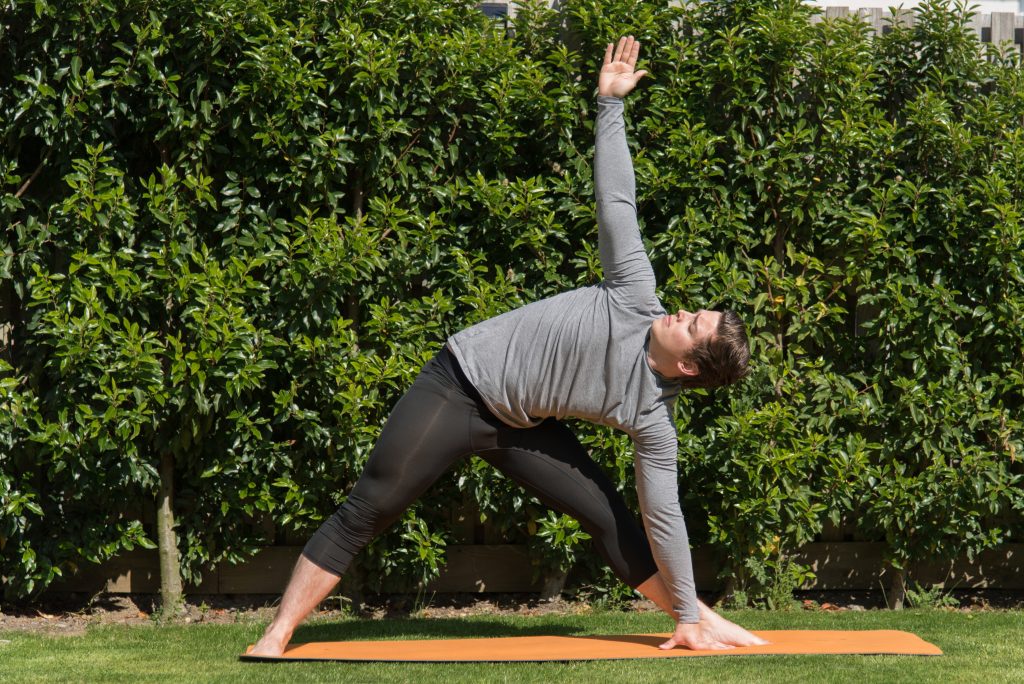
Flexibility plays an important role in spinal health. Tight muscles around the hips, hamstrings, and lower back limit movement and increase pressure on the spine.
Gentle stretching keeps muscles relaxed and improves overall mobility. Regular stretching also reduces stiffness after sitting or standing for long periods.
Stretching should never cause sharp pain. Slow, controlled movements allow muscles to lengthen safely while improving flexibility over time.
Many physiotherapists recommend incorporating stretching into both morning and evening routines to maintain healthy movement patterns.
Reduce Stress for Better Spine Health
Mental stress often causes physical tension throughout the body. Many people unconsciously tighten their shoulders, neck, and back muscles when feeling anxious or overwhelmed.
Over time, this muscle tension contributes to stiffness, headaches, and persistent back discomfort. Relaxation techniques such as deep breathing, meditation, and gentle yoga help reduce stress while promoting muscle relaxation.
Getting enough sleep also allows muscles and tissues to recover after daily activities. Quality rest supports healing and helps maintain healthy spinal function.
Eat a Balanced Diet for a Healthy Spine

Nutrition plays an important role in spinal health, and it is often overlooked when discussing How to Prevent Back Pain Naturally. The bones, muscles, ligaments, and discs of the spine require essential nutrients to stay strong and function properly. A well-balanced diet supports tissue repair, reduces inflammation, and helps maintain a healthy body weight, all of which contribute to a healthier back.
Calcium is necessary for strong bones, while vitamin D helps the body absorb calcium effectively. Protein supports muscle growth and repair, making it an essential part of preventing injuries. Magnesium also contributes to proper muscle function and helps reduce muscle tension. Eating a variety of fruits, vegetables, lean proteins, whole grains, and healthy fats provides the nutrients needed to support overall spinal health.
Highly processed foods that contain excessive sugar and unhealthy fats may contribute to inflammation and weight gain, increasing the risk of back pain over time. Making healthier food choices each day supports not only the spine but also overall physical well-being.
Stay Hydrated Every Day
Many people do not realize that proper hydration supports the health of the spinal discs. These discs act as cushions between the vertebrae and require adequate water to maintain their flexibility and shock-absorbing ability.
Drinking enough water throughout the day helps keep the body functioning efficiently and supports muscle performance. Dehydration may contribute to muscle fatigue, cramps, and reduced flexibility, increasing the likelihood of discomfort during physical activity.
If you want to understand How to Prevent Back Pain Naturally, developing the habit of staying well hydrated is one of the simplest and most effective daily practices.
Choose the Right Mattress and Sleeping Position
Quality sleep allows the body to repair damaged tissues and recover from daily physical stress. Sleeping on an old or unsupportive mattress may place unnecessary pressure on the spine and contribute to morning stiffness.
A medium-firm mattress often provides the right balance of comfort and spinal support for most people. Side sleepers may benefit from placing a pillow between their knees to keep the hips and spine aligned. People who sleep on their backs can place a pillow under their knees to reduce pressure on the lower back.
Sleeping on the stomach is generally less favorable because it may increase strain on the neck and lower back. Maintaining proper sleeping posture supports spinal alignment throughout the night.
Create an Ergonomic Workspace
Many adults spend several hours each day working at a desk or using a computer. Poor workstation setup is one of the leading causes of posture-related back pain.
An ergonomic workspace helps maintain the natural curve of the spine. The computer monitor should be positioned at eye level, while the keyboard and mouse should allow the elbows to remain comfortably bent. The chair should support the lower back, and both feet should rest flat on the floor.
Taking short movement breaks every thirty to sixty minutes prevents stiffness and improves circulation. Standing, stretching, or walking for a few minutes throughout the workday reduces prolonged stress on the spine.
Avoid Sitting for Long Periods
One of the most effective answers to How to Prevent Back Pain Naturally is reducing prolonged sitting. Sitting for many hours places continuous pressure on the lower back and weakens the muscles responsible for supporting the spine.
Whenever possible, alternate between sitting and standing throughout the day. Even simple activities such as walking during phone calls or stretching between tasks help improve blood circulation and reduce muscle stiffness.
Small movement breaks may seem insignificant, but they make a meaningful difference when practiced consistently over time.
Wear Supportive Footwear
Footwear directly affects posture and spinal alignment. Shoes that provide poor support may alter walking patterns and increase stress on the knees, hips, and lower back.
Comfortable shoes with proper cushioning and arch support help distribute body weight more evenly. Individuals who spend long hours standing or walking should choose supportive footwear designed for prolonged use.
High heels, worn frequently, may shift body weight forward and increase pressure on the lower back. Choosing supportive shoes whenever possible contributes to healthier posture and reduced spinal strain.
Listen to Your Body
Pain is the body’s natural warning signal. Ignoring discomfort and continuing activities that increase pain may lead to more serious injuries.
If certain movements consistently cause back pain, they should be modified rather than ignored. Resting briefly after strenuous activities, practicing proper lifting techniques, and avoiding sudden twisting movements all help protect the spine.
Understanding personal physical limits is an important part of maintaining long-term spinal health.
When Should You See a Physiotherapist?
Although many people successfully learn How to Prevent Back Pain Naturally, some situations require professional evaluation. Persistent pain lasting several weeks, recurring episodes of back pain, or discomfort that limits normal activities should be assessed by a qualified physiotherapist or healthcare provider.
Physiotherapists identify movement problems, muscle weakness, posture issues, and flexibility limitations that contribute to pain. They create individualized rehabilitation programs designed to improve strength, mobility, and overall spinal function.
Early physiotherapy often prevents minor problems from becoming chronic conditions and helps people return to normal activities more quickly.
Common Mistakes That Increase the Risk of Back Pain
Many daily habits unknowingly place unnecessary stress on the spine. Poor posture while using mobile phones, carrying heavy bags on one shoulder, skipping exercise, sleeping in awkward positions, and lifting objects incorrectly are among the most common causes of preventable back pain.
Another frequent mistake is remaining inactive after experiencing mild discomfort. While temporary rest may be helpful, prolonged inactivity often weakens the muscles that support the spine and delays recovery. Gentle movement is usually more beneficial than complete bed rest for most uncomplicated back pain cases.
Making small corrections to these everyday habits significantly lowers the risk of developing future spinal problems.
Conclusion
Learning How to Prevent Back Pain Naturally is one of the best investments you can make for your long-term health. Although back pain is extremely common, many cases can be prevented through simple daily habits that support the spine and surrounding muscles.
Maintaining good posture, staying physically active, strengthening the core, eating a balanced diet, staying hydrated, sleeping on a supportive mattress, and using proper lifting techniques all work together to reduce stress on the back. These natural strategies not only lower the risk of injury but also improve mobility, flexibility, and overall quality of life.
Consistency is the key to success. Healthy habits practiced every day provide lasting protection for the spine and help you remain active for years to come. If pain persists despite these preventive measures, seeking professional medical or physiotherapy advice is the safest way to identify the underlying cause and receive appropriate treatment.
Frequently Asked Questions
Is it possible to prevent back pain naturally?
Yes. Most people can significantly reduce their risk of back pain by maintaining good posture, exercising regularly, eating a healthy diet, maintaining a healthy weight, and using proper body mechanics during daily activities.
Can walking help prevent back pain?
Yes. Walking strengthens muscles, improves flexibility, enhances circulation, and supports spinal health, making it one of the safest exercises for preventing back pain.
Does body weight affect back pain?
Yes. Excess body weight places additional stress on the spine, particularly the lower back, increasing the likelihood of discomfort and long-term spinal problems.
When should I seek medical advice?
You should consult a healthcare professional if your back pain lasts for several weeks, becomes severe, spreads into the legs, causes numbness or weakness, or interferes with your normal daily activities.