
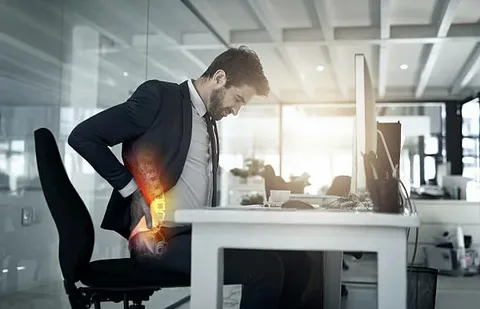
Lower Back Pain and Sitting: Causes, Prevention, and Effective Relief Strategies
Sitting for long periods has become a normal part of modern life. Whether you work at a desk, drive for extended hours, study, or spend time using digital devices, prolonged sitting can take a toll on your body—especially your lower back. Lower back pain is one of the leading causes of discomfort and disability worldwide, and a sedentary lifestyle is a major contributing factor.
Many people believe that sitting is a resting position for the body. However, prolonged sitting can place significant stress on the spine, weaken supporting muscles, and lead to stiffness and pain. Understanding how sitting affects your lower back and learning effective prevention strategies can help you maintain a healthy spine and improve your overall quality of life.
What Is Lower Back Pain?
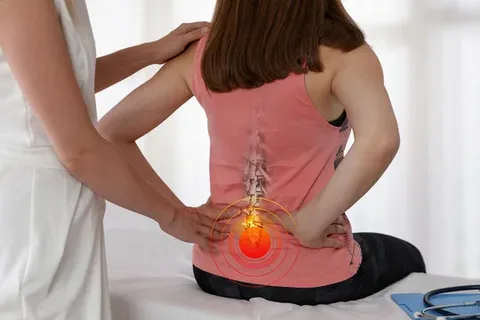
Lower back pain refers to pain, stiffness, or discomfort in the lumbar region, which is the area located between the ribs and pelvis. The pain may range from mild to severe and can occur suddenly or develop gradually over time.
Types of Lower Back Pain
- Acute Lower Back Pain
- Lasts less than six weeks.
- Often caused by muscle strain or minor injuries.
- Subacute Lower Back Pain
- Lasts between six and twelve weeks.
- Chronic Lower Back Pain
- Persists for more than twelve weeks.
- May require professional assessment and treatment.
How Does Sitting Cause Lower Back Pain?
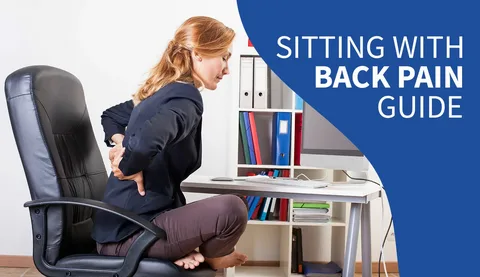
Prolonged sitting places increased pressure on the structures of the lower spine. When you sit for extended periods, particularly with poor posture, the muscles, joints, and spinal discs can become stressed.
Common Ways Sitting Contributes to Back Pain
- Increases pressure on spinal discs.
- Causes tightening of the hip flexor muscles.
- Weakens the abdominal and core muscles.
- Reduces blood circulation.
- Promotes poor posture.
- Leads to muscle fatigue and stiffness.
Everyday Activities That Involve Prolonged Sitting
- Office work.
- Remote working from home.
- Long-distance driving.
- Studying for extended periods.
- Gaming.
- Watching television.
- Using smartphones or tablets for long hours.
Common Symptoms of Sitting-Related Lower Back Pain
The symptoms of lower back pain associated with prolonged sitting can vary from person to person.
Common Symptoms Include:
- Dull or aching pain in the lower back.
- Stiffness after standing up.
- Pain that worsens after sitting for long periods.
- Difficulty standing upright.
- Muscle tightness around the hips and buttocks.
- Reduced flexibility.
- Fatigue in the lower back muscles.
Additional Symptoms May Include:
- Tingling sensations.
- Numbness in the legs.
- Burning pain.
- Muscle spasms.
- Pain radiating down the legs.
Risk Factors for Lower Back Pain While Sitting
Certain factors may increase the likelihood of developing lower back pain.
Lifestyle Factors
- Physical inactivity.
- Being overweight or obese.
- Smoking.
- Lack of regular exercise.
- Poor sleeping habits.
Occupational Factors
- Desk jobs.
- Driving professions.
- Working without ergonomic support.
- Sitting for prolonged periods without breaks.
Physical Factors
- Weak core muscles.
- Poor posture.
- Tight hamstrings.
- Previous back injuries.
- Existing spinal conditions.
The Impact of Poor Posture
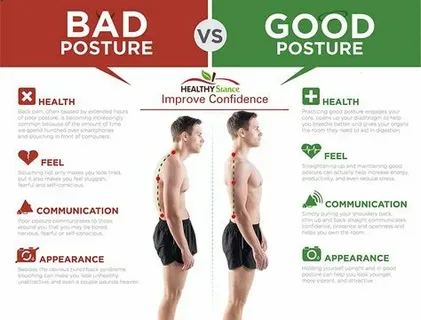
Poor posture is one of the most common causes of lower back pain among individuals who sit for extended periods.
Examples of Poor Sitting Habits
- Slouching in the chair.
- Leaning forward toward the screen.
- Sitting without lower back support.
- Crossing the legs for prolonged periods.
- Looking down at mobile devices continuously.
- Hunching the shoulders.
Effects of Poor Posture
- Increased stress on spinal structures.
- Muscle imbalance.
- Reduced flexibility.
- Neck and shoulder pain.
- Chronic lower back pain.
- Decreased productivity.
How to Sit Properly to Prevent Lower Back Pain

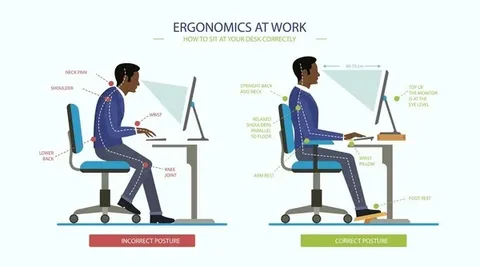
Maintaining proper sitting posture can significantly reduce stress on the spine and help prevent discomfort.
Tips for Correct Sitting Posture
Keep Your Feet Flat
- Place both feet flat on the floor.
- Avoid letting your feet hang.
- Use a footrest if necessary.
Maintain Proper Knee Position
- Keep knees at hip level or slightly lower.
- Avoid crossing your legs for long periods.
Support Your Lower Back
- Use lumbar support if available.
- Place a small cushion behind the lower back if needed.
Sit Upright
- Keep your back straight.
- Relax your shoulders.
- Avoid slouching.
Position Your Screen Correctly
- Keep the monitor at eye level.
- Position the screen about an arm’s length away.
Maintain Proper Arm Position
- Keep elbows close to the body.
- Maintain elbows at approximately ninety degrees.
Workplace Ergonomics for Better Back Health
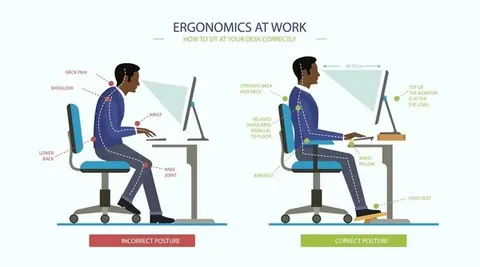
Creating an ergonomic workstation can help reduce strain on the lower back.
Features of an Ergonomic Chair
- Adjustable seat height.
- Lumbar support.
- Adjustable armrests.
- Comfortable cushioning.
- Proper back support.
Desk Setup Recommendations
- Keep the keyboard close to your body.
- Place the mouse within easy reach.
- Ensure adequate leg space.
- Avoid twisting while working.
Additional Ergonomic Tips
- Alternate between sitting and standing.
- Change positions frequently.
- Use a sit-stand desk if possible.
- Take movement breaks throughout the day.
Why Regular Movement Is Important
Remaining seated for prolonged periods can worsen lower back discomfort. Regular movement helps reduce spinal stress and improve circulation.
Follow the 30-Minute Rule
Experts often recommend standing up and moving every thirty minutes.
Activities During Breaks
- Walk around the room or office.
- Stretch gently.
- Climb stairs.
- Refill your water bottle.
- Perform light mobility exercises.
Benefits of Taking Regular Breaks
- Improves blood circulation.
- Reduces stiffness.
- Decreases pressure on spinal discs.
- Enhances concentration and productivity.
Exercises and Stretches for Lower Back Pain Relief
Exercise plays a vital role in managing and preventing lower back pain.
1. Pelvic Tilts
How to Perform:
- Lie on your back with knees bent.
- Tighten your abdominal muscles.
- Flatten your lower back against the floor.
- Hold for five seconds.
- Repeat ten to fifteen times.
Benefits:
- Improves core activation.
- Reduces lower back stiffness.
2. Cat-Camel Stretch
How to Perform:
- Begin on your hands and knees.
- Slowly arch your back upward.
- Gently lower into a relaxed position.
- Repeat ten times.
Benefits:
- Improves spinal mobility.
- Reduces muscle tension.
3. Child’s Pose
How to Perform:
- Kneel on the floor.
- Sit back on your heels.
- Extend your arms forward.
- Hold for twenty to thirty seconds.
Benefits:
- Gently stretches the lower back.
- Promotes relaxation.
4. Hip Flexor Stretch
How to Perform:
- Kneel on one knee.
- Step the opposite foot forward.
- Gently push the hips forward.
- Hold for thirty seconds on each side.
Benefits:
- Reduces hip tightness caused by prolonged sitting.
5. Bridge Exercise
How to Perform:
- Lie on your back with knees bent.
- Lift your hips toward the ceiling.
- Hold for five seconds.
- Lower slowly and repeat.
Benefits:
- Strengthens the gluteal muscles.
- Supports spinal stability.
Strengthening the Core for Long-Term Relief
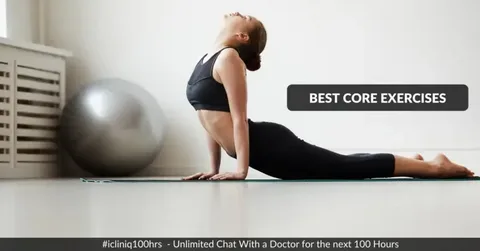
Strong core muscles help support the spine and reduce the risk of lower back pain.
Effective Core Exercises
- Planks.
- Side planks.
- Bird-dog exercise.
- Dead bug exercise.
- Glute bridges.
Benefits of Core Strengthening
- Improves posture.
- Enhances spinal stability.
- Reduces injury risk.
- Supports everyday movements.
When Should You Seek Professional Help?
Although many cases of lower back pain improve with self-care, some symptoms require medical attention.
Consult a Healthcare Professional If You Experience:
- Severe or worsening pain.
- Pain lasting more than several weeks.
- Numbness or tingling in the legs.
- Muscle weakness.
- Difficulty walking.
- Loss of bladder or bowel control.
- Pain after an accident or fall.
- Unexplained weight loss accompanied by back pain.
Early assessment can help identify underlying conditions and ensure appropriate treatment.
Frequently Asked Questions (FAQs)
Is sitting bad for lower back pain?
Yes. Prolonged sitting can increase pressure on the spine and contribute to pain, especially when combined with poor posture.
How often should I take breaks while sitting?
It is generally recommended to stand, stretch, or walk every thirty minutes.
Can walking help lower back pain?
Yes. Walking improves circulation, reduces stiffness, and supports spinal health.
Are standing desks beneficial?
Alternating between sitting and standing may help reduce spinal stress and improve comfort.
Can exercise prevent lower back pain?

Regular exercise, especially strengthening and stretching exercises, can significantly reduce the risk of lower back pain.
Conclusion
Lower back pain associated with prolonged sitting is increasingly common in today’s sedentary lifestyle. Spending long hours in a seated position, particularly with poor posture, can place excessive strain on the spine and surrounding muscles. Fortunately, adopting healthy habits such as maintaining proper posture, taking regular breaks, staying physically active, and creating an ergonomic workspace can significantly reduce the risk of discomfort and long-term back problems. By making these simple lifestyle changes, individuals can protect their spinal health, improve daily comfort, and enhance their overall quality of life. If lower back pain persists or worsens, seeking professional medical advice is essential for proper diagnosis and treatment.